What Kooy-Henckel said
Investors can no longer overlook the hit from extreme weather supercharged by climate change. Even so, Louise Kooy-Henckel argued that the drip-drip damage to asset values from steadily rising temperatures still is not reflected in valuations. "It's not priced in by the markets," she said during a Monday event in Hong Kong. She added, "But it is potentially also the chronic risks where institutional capital can come in because of the investment horizon."
Acute risks versus chronic risks
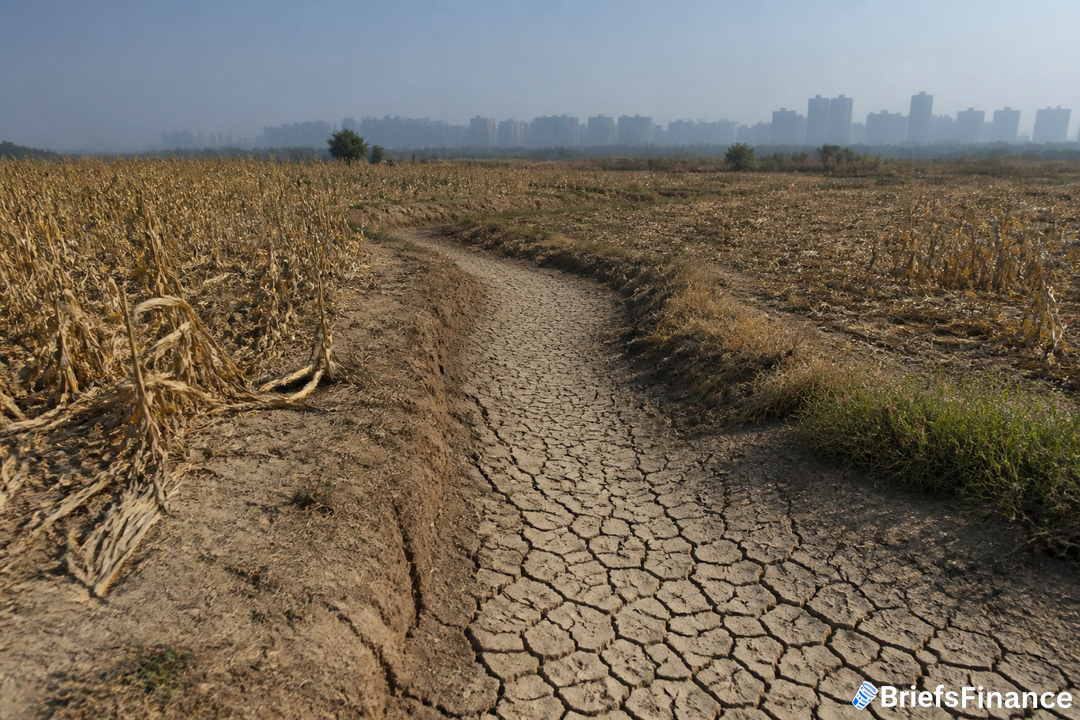
Kooy-Henckel drew a clear line between fast-moving disasters and long burn threats. "It is very different whether we think about projects that are targeted to acute risk, whether that be typhoon, floods, et cetera, or whether they are chronic risks, the heat, rising temperatures or water stress," she said. "They're different, obviously, because the horizon is different." Sudden catastrophes are "short and sharp, and the best investment strategy there is to prepare and maybe think about repair," she said, while chronic risks are "radical, over a long period of time and it's typically much harder to price."
Why this is coming to a head
The need to adapt got another nudge last week, when the United Nations acknowledged the world will exceed the critical 1.5C threshold. That warning sits alongside temperature data referenced to an 1850-1900 baseline from Berkeley Earth. Put simply, the heat keeps building, and investors now need to work out how that steady climb could reshape portfolios over time.
Understanding what moved a market beats knowing that it moved. Get the free Market Briefs daily newsletter and follow the drivers.
What this means for your portfolio
The takeaway is not just about bracing for the next storm. Kooy-Henckel is signaling that some asset classes may lose value as temperatures grind higher, and that the timeline to price those risks is long and messy. If you hold for the long run, the question is how that slow-burn climate math could show up in the assets you own.