What happened on Saturday
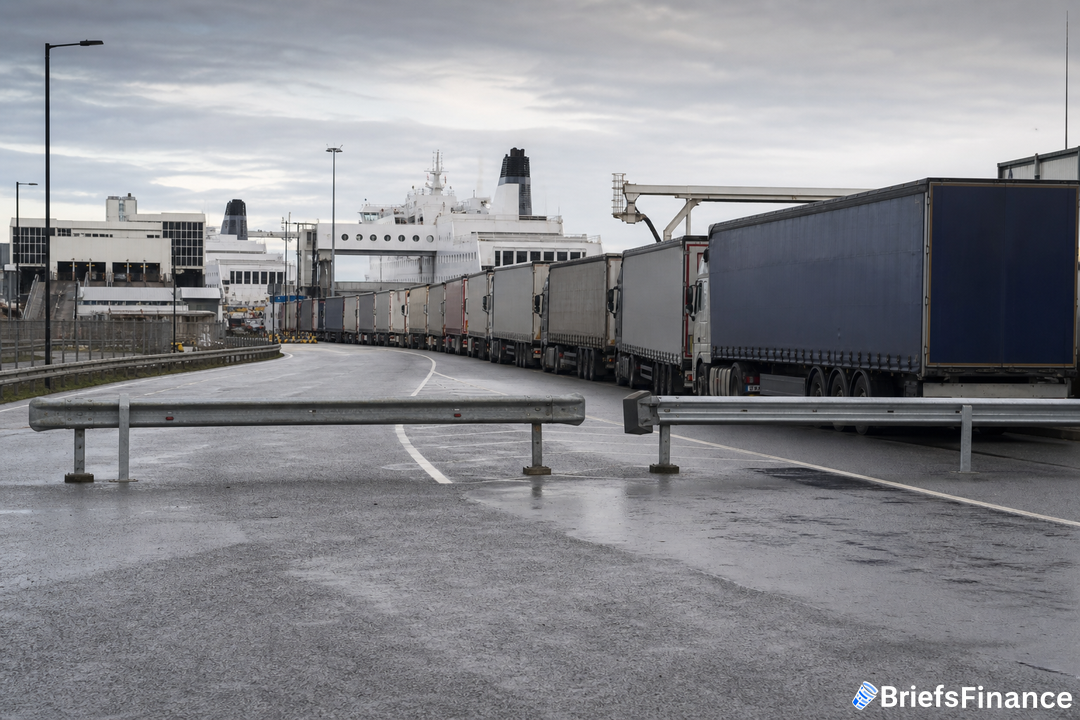
Groups of men dressed in black, faces covered, formed lines across a main approach to the Port of Dover, about 70 miles (110 kilometers) from London. Videos online showed several dozen linking arms and chanting "stop the boats." The port said that morning it had stopped all traffic in both directions because of "an ongoing public order incident." National Highways reported every route into the port was blocked, triggering a 4-mile (6.4-kilometer) queue.
Who spoke and how officials reacted
Police said they were "engaging with the protesters," and later footage showed officers tracking the group toward Dover's railway station. The Labour government said "the right to peaceful protest is fundamental to our democracy, but we condemn the behavior in Dover and the travel disruption it has caused." "We appreciate the frustration of those who have been impacted today," it added.
Impact on travel and freight
The stoppage snarled both passenger trips and cargo heading for France, including services run by P&O Ferries between Dover and Calais. Shortly before midday, P&O said "access to the Port of Dover has now been restored," and passengers who missed departures would get the next available crossing. The port's website says that in 2025 Dover processed over 9 million passengers together with 2 million freight vehicles, so even brief halts can cause knock-on delays to timetables.
The backdrop and why it matters for your money
Dover has seen similar protests tied to migrants crossing the Channel in small boats. Politicians have cast the crossings as a crisis, and in a Friday speech Reform UK's Nigel Farage called asylum seekers "an invasion." Prime Minister Andy Burnham's government says closer law enforcement cooperation with France has helped push small boat crossings down by more than 40% so far this year compared with 2025, after more than 40,000 people made the dangerous journey last year.
Rates, prices and policy all end up in your budget eventually. Get the free Market Briefs daily newsletter and see it coming.
If blockages like this become frequent, think delays, rescheduling and higher costs for operators moving people and time-sensitive goods. For households planning trips or waiting on deliveries, the stress shows up as missed slots and slower shipments rather than market fireworks.