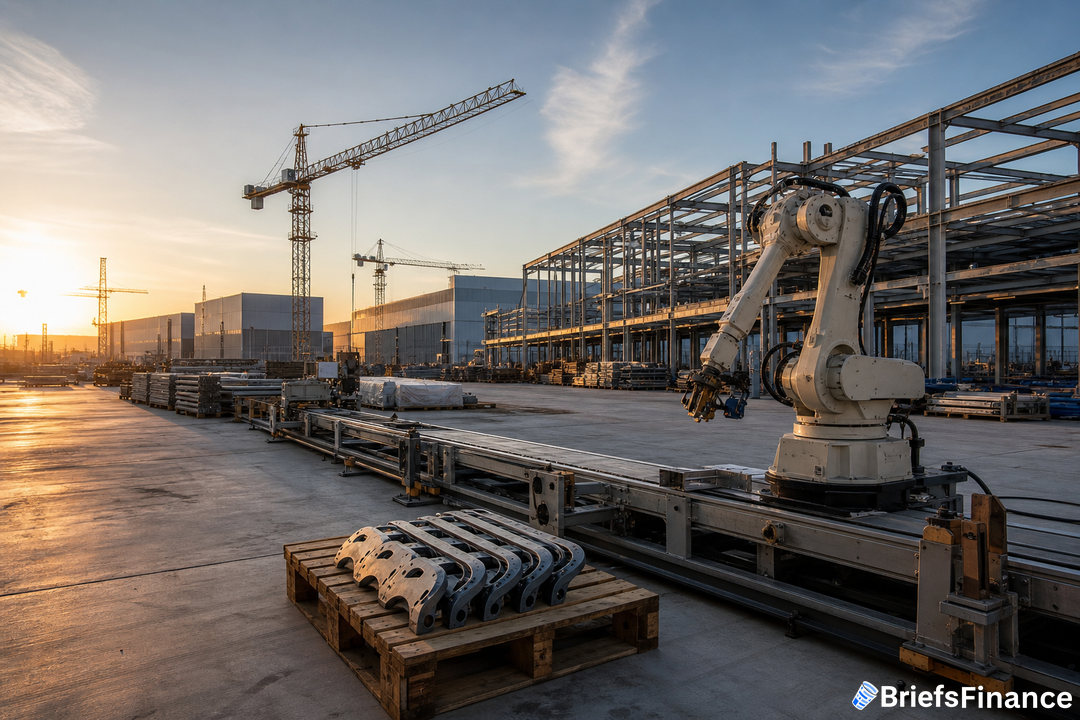
Why goods jobs are leading
If it feels like the machines are hiring, you are not wrong. The buildout of AI - from data centers to the gear that fills them - is showing up in payrolls. From March through August, jobs at goods producers rose 0.6%, outpacing the 0.4% increase in services. That goods bucket covers manufacturing, construction, and mining and logging.
Inside factories, payrolls grew by 43,000 over the last three months, the strongest three‑month run since the end of 2022. In August, the hiring-breadth measure covering 72 manufacturing industries advanced to its strongest mark in almost four years. By design, that index counts the share of industries adding workers plus half of those reporting no change.
What is powering the gains
Economists point to AI-driven capital spending as the engine. Citigroup's Veronica Clark ties the pickup at manufacturers and in construction to AI infrastructure and data center building. She also said tax provisions in last year's One Big Beautiful Bill Act spurred investment in equipment and facilities that is feeding through to payrolls. EY-Parthenon's Gregory Daco added that the latest upswing came after three consecutive years of steady job declines.
The White House quickly highlighted the broadly based gains, including in manufacturing and construction. On CNBC, National Economic Council director Kevin Hassett said, "If you dig down, then what you can see is that there's a lot of policy success underneath it all," adding, "One of the most interesting things to me in the data is that, since President Trump took office, employment for people who are building factories has gone up by 90,000. So think about how many future jobs that's going to create."
The best financial decisions come from understanding the whole picture. Join Market Briefs free and get the full brief each morning.
What this means for your portfolio
Hiring beat expectations in August, and the jobless rate stayed at 4.1%. Under the hood, payroll gains were especially evident among makers of machinery, companies in primary and fabricated metals, producers of computers and electronic products, and manufacturers of electrical equipment and appliances. If AI-related investment and supportive tax policy keep flowing, the parts of the economy that pour concrete, wire servers, and stamp metal could keep adding workers - a useful compass for where real-world demand is showing up.