Government Response to Agricultural Crisis
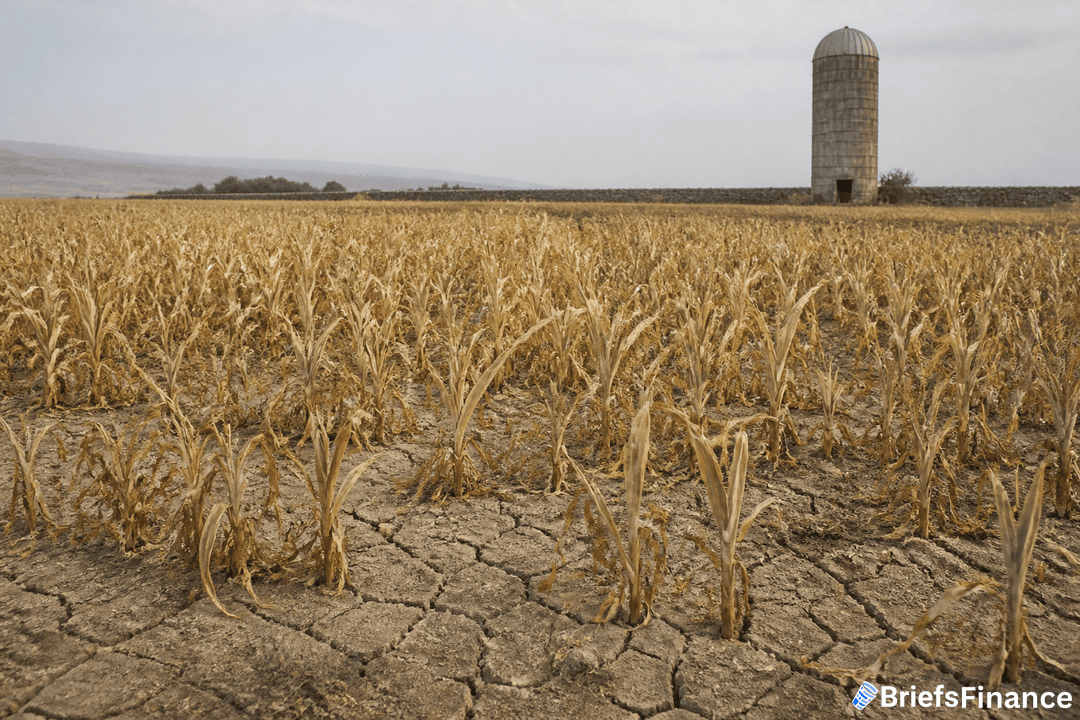
France, Europe's leading agricultural producer, has faced devastating droughts, heat waves, and wildfires this summer. These extreme conditions have crippled crop yields while farmers simultaneously grapple with soaring fertilizer and fuel prices linked to Middle East conflicts.
To mitigate the damage, Paris will unveil a financial relief plan next week. Ministry officials confirmed that Agriculture Minister Annie Genevard will announce specifics Thursday after discussions with local leaders. "The aid prioritizes stabilizing farms and securing essential supplies," a ministry spokesperson said.
The package includes tax breaks and funds to restore production capacity, with particular attention to livestock feed and seeds for replanting.
Broader Impact on Farming and Markets
The intervention arrives as erratic weather disrupts agriculture continent-wide. Though the government has not disclosed precise figures beyond "several hundred million euros," the scale reflects urgent efforts to protect food security amid escalating climate threats.
Climate Pressures Reshape Agricultural Policy
France's emergency measures underscore how intensifying weather extremes are destabilizing global food systems. Last summer's record heat caused €10 billion in EU farm losses, and this year's repeated crises are pushing governments toward expanded safety nets. Smaller operations are especially at risk due to limited financial buffers, prompting proposals for low-interest loans alongside direct aid.
Markets move every day, and most of it never reaches you in time. Get the free Market Briefs daily newsletter and stay ahead of it.
Why This Matters
The aid package highlights climate change's immediate economic toll on agriculture. With farmers still reeling from this summer's disasters, the plan seeks to avert deeper supply-chain disruptions.
Thursday's announcement will clarify details, but the move signals a pivot toward preemptive support for climate-affected farms. As weather volatility worsens, such interventions may become routine - forcing policymakers and investors to integrate climate risks into long-term agricultural planning.
The situation also exposes vulnerabilities in regional food production models, particularly for smaller farms without resources to withstand consecutive poor harvests. While the package offers short-term relief, sustainable solutions will require broader adaptation strategies.
For markets, the recurring crises underscore the need to price climate volatility into commodity forecasts and trade policies. With Europe's breadbasket under strain, the ripple effects could reshape global agricultural trade flows in the coming years.