A Strong Rebound
Canada's economy grew at an annualized pace of 3.3% in the second quarter of 2026, according to Statistics Canada data released August 28. Revised figures show the economy expanded 0.3% in Q1 rather than shrinking as initially reported, confirming Canada avoided a technical recession.
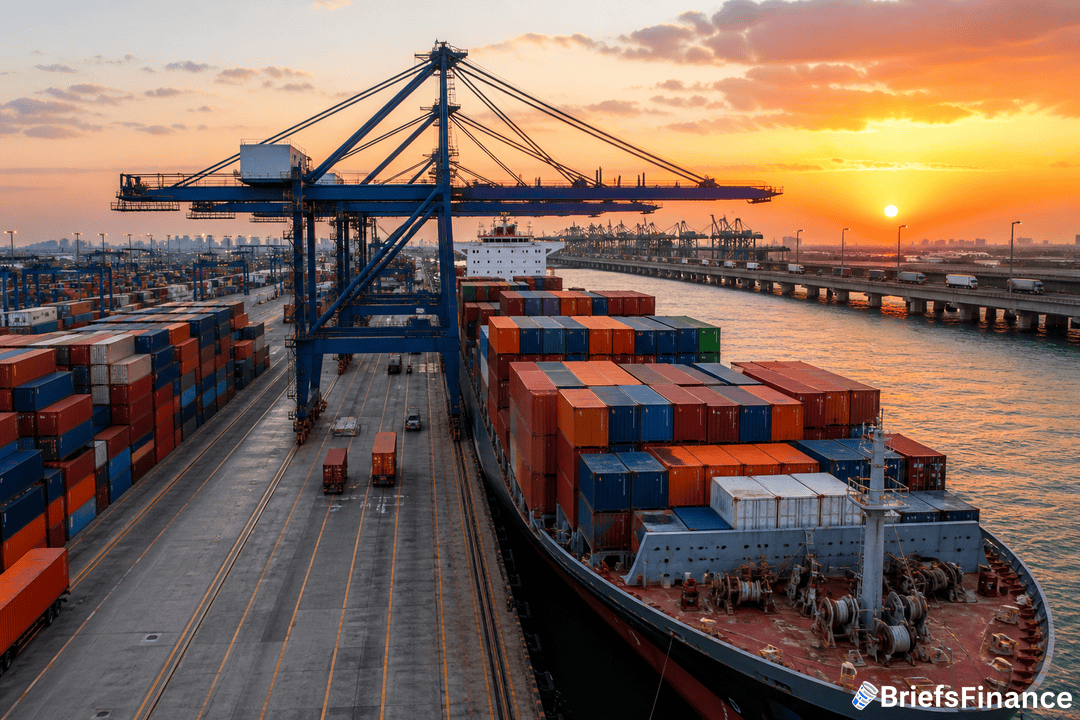
The expansion was fueled by the strongest export performance in 39 months, alongside significant quarterly gains in corporate spending on factories, equipment and commercial real estate. Consumer expenditures also supported the growth.
"Economic momentum was robust going into the second half of the year," said Charles St-Arnaud, chief economist at Servus Credit Union, in emailed comments cited by the source.
Trade Troubles Loom
The recovery now confronts fresh obstacles after Washington implemented steep new import taxes targeting C$20 billion in Canadian products last week. Ottawa has announced equivalent measures set to begin September 8.
The Bank of Canada's recent summary of deliberations noted some officials questioned the sustainability of the recovery beyond the near term. Traders are pricing in a potential rate hike by end-January, though new trade uncertainty complicates monetary policy.
ood news comes with risks, so learn how to protect your future with our free Always Be Buying E-Book
Monthly real GDP grew 0.3% in June, surpassing analyst forecasts of 0.2%. Early indicators point to neutral growth in July.
On a per-person basis, economic output increased at a 3.8% annual clip during Q2 amid continued demographic declines - the most rapid expansion since the final quarter of 2021. Fixed-income markets showed muted response to the release, while the loonie briefly weakened to C$1.386 against its US counterpart.
Policy Implications
The central bank is widely anticipated to maintain its 2.25% benchmark rate at the upcoming September meeting. Economists emphasize the economy's ability to withstand new trade barriers will prove decisive for the duration of this rebound.
This expansion follows two years of lackluster performance across multiple sectors, making the recent acceleration particularly noteworthy. The manufacturing and resource sectors drove much of the growth, benefiting from improved global demand and supply chain normalization after pandemic-era disruptions. However, the new protectionist measures threaten these gains, particularly for automotive and agricultural exporters.
Bank of Canada officials face a difficult balancing act - supporting growth while containing inflation that remains above target. Recent deliberations acknowledged the "unusually wide range of potential outcomes" for the economy in coming quarters.