The Backstory
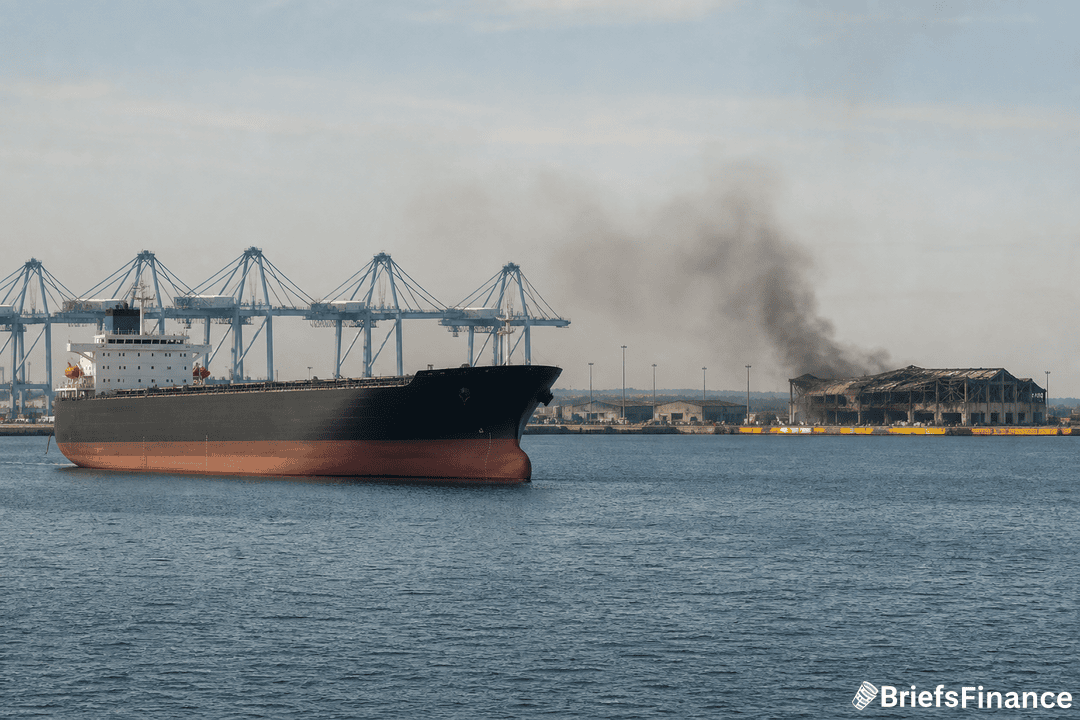
MSC, the world's largest container shipping company, has suspended new bookings for Novorossiysk, Russia's biggest Black Sea port. The move followed a drone attack on one of its container ships, the MSC ULSAN III, which was sailing to the port without any cargo. The attack marks a significant escalation in the risks facing commercial shipping in the region.
Since Russia's full-scale invasion of Ukraine in 2022, most global carriers have avoided Russian calls entirely. A few lines, including MSC, maintained a discreet presence, moving essential goods such as food, medicine, and basic consumer items. These services were deliberately small - often weekly sailings with little fanfare. The Novorossiysk route was one of the few remaining links between Russia and the global container network.
That link has now been cut. After the attack on the MSC ULSAN III, MSC informed its customers that it would no longer accept bookings for Novorossiysk, effective immediately. The company's employees on the ground confirmed the halt, though they stressed it was limited to that port. "Novorossiysk is paused for the moment," one employee said, while noting that service to St. Petersburg continues as usual.
The decision did not come out of thin air. Since July, both sides in the conflict have intensified strikes on commercial infrastructure across the Black Sea. Grain exports from Ukraine have been repeatedly disrupted, and Russian ports have also come under attack. Insurers have raised premiums for vessels calling in the region, and several shipowners have started rerouting around the area.
The immediate market effect was a spike in wheat futures, which jumped to their highest level in three years. The Black Sea is a critical corridor for grain from Russia and Ukraine, and any sign that shipping there is becoming more dangerous sends prices upward. Even though MSC's move only affects Novorossiysk - not the broader Russian export fleet - traders read it as a signal that insurance and security costs are climbing, and that could slow exports of grain, fertilizer, and other bulk goods.
The broader context is that the Black Sea has become a war zone in miniature. Naval drones have targeted cargo vessels, ports have been hit by missiles, and insurers have raised premiums for ships calling at harbors in Russia or Ukraine. For a global carrier like MSC, which operates hundreds of vessels, the risk is not just to one ship but to the entire network. A single attack can disrupt schedules, force crew to refuse assignments, and trigger cascading delays across the Mediterranean and beyond.
Understanding what moved a market beats knowing that it moved. Get the free Market Briefs daily newsletter and follow the drivers.
MSC still serves St. Petersburg, but the halt at Novorossiysk is a clear signal that even the most cautious shipping lines are drawing a line somewhere. The port is crucial for Russian grain, coal, and fertilizer exports. If the pause extends, it could further strain global food supplies and push prices higher. Wheat futures have already jumped to a three-year high.
For now, this is a pause, not a permanent exit. But the fact that MSC's press office did not answer when asked about the timeline for resuming sailings says a lot about the risk level. Shipping companies have long memories; once they pull back from a route, they are slow to return.
The drone attack was not an isolated incident - it fits a pattern of escalating attacks on commercial vessels in the Black Sea. Insurers are raising premiums, and some ships are taking longer detours to avoid the area.
The broader impact on trade is still unfolding. Novorossiysk is a vital outlet for Russian grain, oil, and other bulk commodities. A prolonged suspension of container service to that port would force rerouting through smaller terminals or overland routes, adding costs and delays.
While this move does not cut off Russian trade entirely - other ports remain open - the symbolism is powerful. The world's largest container line has effectively signaled that the risk in the Black Sea has become too great for routine business.
For businesses and consumers alike, this is another reminder that global supply lines remain fragile - and that the cost of conflict is often felt far beyond the battlefield.