Wheat prices just hit a two-year high, and the reason is sitting in the Black Sea.
Ukraine is often called the breadbasket of the world, supplying about 10% of global wheat exports and a significant share of corn and sunflower oil. Before the war, it shipped around 5-6 million metric tons of grain per month. The blockade has cut that to a trickle, and the impact is rippling across many developing nations that depend on these staples for basic food supplies.
Russia's navy has intensified its blockade of Ukraine's export routes, and the country's biggest grain exporter says the blockade is now threatening not just this year's harvest, but next year's too.
The Export Squeeze Is Getting Worse
Kernel, Ukraine's largest grain exporter, says exports have virtually stopped. That leaves around 1 million metric tons of grain sitting in storage, with the harvest of wheat and corn being stuffed into plastic bags just to keep it from spoiling.
According to the Agriculture Ministry, Ukraine's storage capacity could be exhausted by early November, should the export blockade continue. After that, the country would have nowhere left to put the crop it cannot ship.
Rates, prices and policy all end up in your budget eventually. Get the free Market Briefs daily newsletter and see it coming.
The real worry, though, is what happens in the spring. Farmers need to know whether they will be able to sell what they plant, and right now the answer is unclear. Kernel's CEO, Yevgen Osypov, puts the stakes plainly: "The main issue is: What are we going to do for the next planting season in the spring?"
If exports remain blocked, Osypov says farmers will simply leave land unplanted. "If there is no solution for exports, I believe Ukraine will reduce production and will not sow in about 20% of land. It means 12 million tons of food grains will not be produced."
That shortfall would hit developing nations hardest, since they rely heavily on wheat and corn from Ukraine for basic food supplies. It would also feed global inflation at a moment when food prices are already climbing.
This is why the blockade is a humanitarian issue as much as a trade problem. The countries most dependent on Black Sea grain have limited alternatives, and every month of disruption raises the risk of shortages and higher food bills.
Kernel Pivots to Wind Power
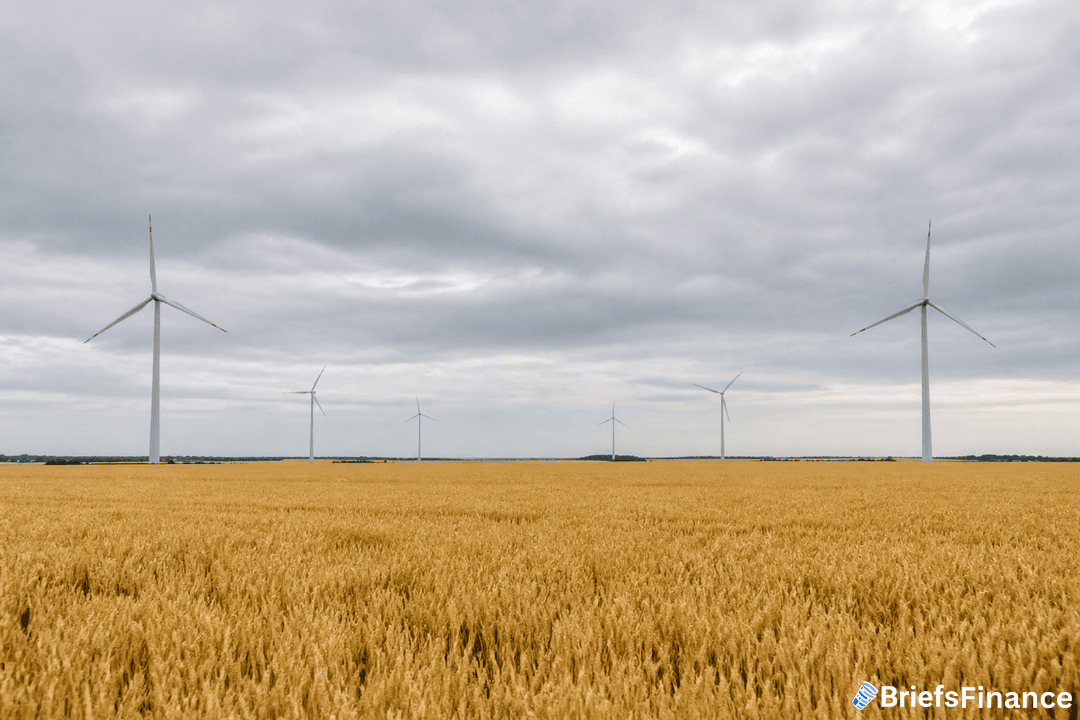
While the grain business faces a roadblock, Kernel is quietly building a second act. The company just signed a deal with Danish wind giant Vestas and the Danish export credit agency EIFO to construct a 94.5-megawatt wind farm in central Ukraine.
The move makes sense given the country's energy crisis. Osypov says Ukraine has lost around 50% of its power generation, and wind turbines are harder to knock out than other types of infrastructure. "Wind production is more resilient compared with the other types of generation and we believe that Ukraine needs to move and to increase the path of energy production from wind and from solar," he said.
Kernel's ambition goes well beyond this single project. The company aims to develop 1 gigawatt of renewable energy capacity in Ukraine by 2030, which would make it a significant player in the country's power market, not just its agricultural one.
What It Means for Investors
For investors, Kernel is becoming a two-sided story. The grain export crisis is a real and immediate drag, but the wind push offers a hedge against the very instability that is crippling the core business. If the blockade lifts, the company gets its agricultural revenue back. If it does not, the energy side could help carry the load.
For the rest of the world, the stakes are simpler. Grain from Ukraine feeds millions of people, and the window to keep that supply flowing is closing fast. The next few months will decide whether the country plants a full crop in the spring, or whether 12 million tons of food simply never makes it into the ground.
The best financial decisions come from understanding the whole picture. Join Market Briefs free and get the full brief each morning.