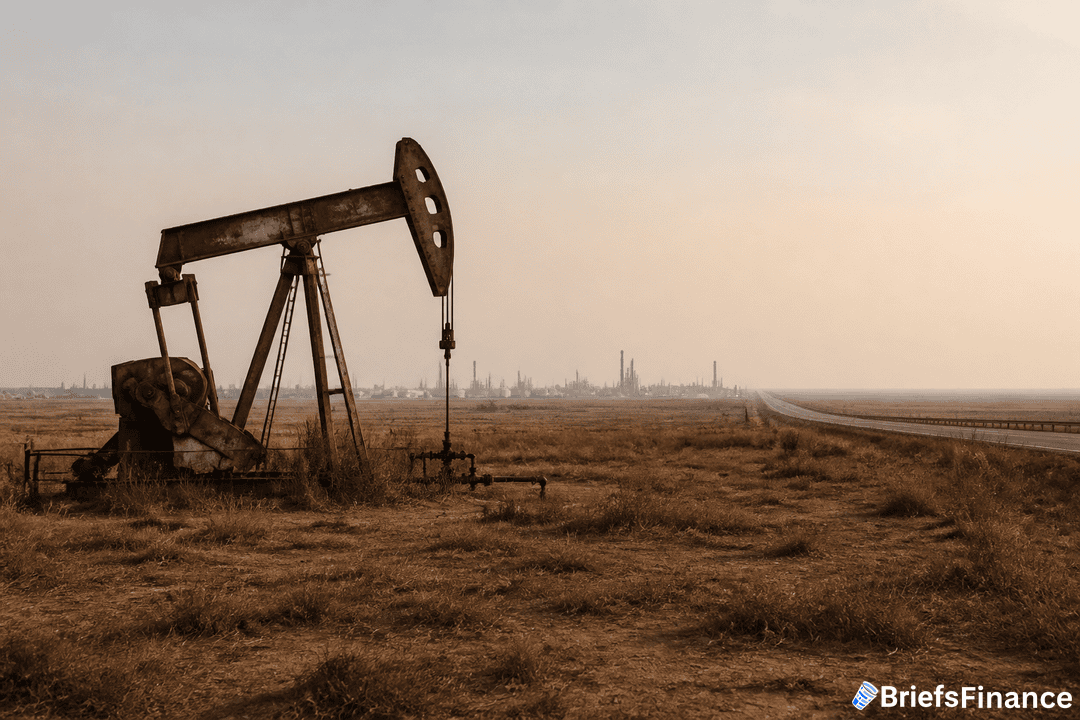
China's appetite for oil has probably already hit its high-water mark. That's the word from Sinopec, the country's state-owned energy giant, which says the shift to electric vehicles and cleaner energy pushed demand over the top sooner than expected.
Hou Qijun, the company's chairman, delivered that assessment on Monday during an earnings call in Hong Kong. Sinopec had previously predicted oil use would peak in 2027, but now believes the summit came last year.
Oil Demand Peaked Ahead of Schedule
The reason for the early peak comes down to a few big forces. China has been pushing hard on clean energy development, electrification of its massive vehicle fleet, and low-carbon goals that are reshaping how the country powers itself.
That push is showing up in the numbers. Sinopec's earnings report showed road fuel demand dropped sharply in the first half of the year, as drivers faced higher prices and more of them switched to electric cars. The company expects that decline to ease a bit in the second half, thanks to supportive economic policies.
The money story behind the headlines is usually the part that matters. Join Market Briefs free and get it every morning.
Beijing wants oil and coal use to plateau within the current five-year plan, a stretch that ends in 2030. Hou said that even if the US-Iran conflict cools down next year, demand might recover somewhat but won't climb back to last year's level.
Securing Supply in a Volatile Region
While demand may be leveling off, keeping the oil flowing remains a top priority. Sinopec's president, Wan Tao, said the company is working to diversify its crude imports away from the Middle East and coordinating with suppliers on shipping routes that avoid the dangers of the Iran War.
Those efforts have already paid off. Sinopec has taken delivery of 11 tankers previously held up in the Persian Gulf, with about 2.76 million tons of crude aboard. Wan said Sinopec normally holds around 20 days of crude for its refineries and 15 days of refined fuels for sale, and that inventories have remained steady throughout the conflict.
Sinopec will continue to follow government guidance on commercial storage levels, he added.
What It Means for Investors
For investors, this signals that China's long-running oil demand boom is over. That has implications for global oil prices, energy companies, and anyone with exposure to the sector. The pivot to electric vehicles and clean energy isn't a future possibility for China - it's happening now, and it's already reshaping the world's largest oil market.
The demand outlook has shifted quickly. The company now says the high-water mark was reached last year, and even a calmer US-Iran conflict next year would only produce a partial recovery.
Understanding what moved a market beats knowing that it moved. Get the free Market Briefs daily newsletter and follow the drivers.