Your dinner table is the reason behind this move.
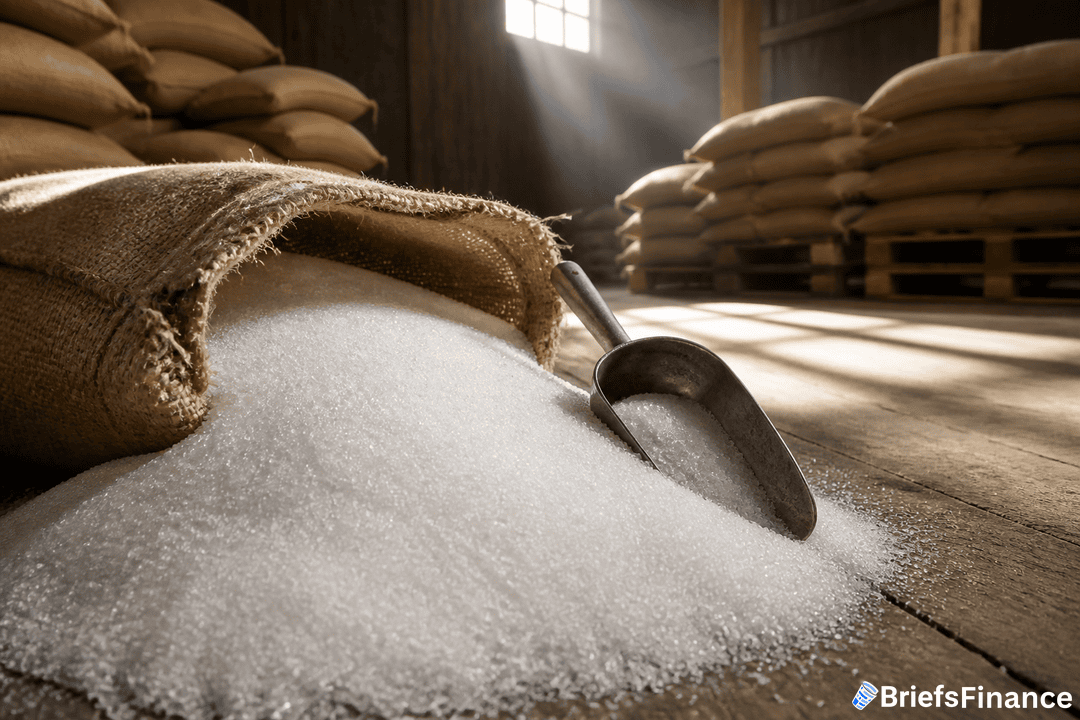
Mills and refiners in India, the world's second-biggest sugar producer, can now import up to 1 million tons of raw sugar without paying the usual duty. The goal is simple: push domestic prices down before the festival season, when demand for sweets and processed foods typically spikes.
The decision caught the market's attention.
An Unusual Step for a Country That Rarely Imports
Here is what makes this noteworthy: India last imported sugar for domestic consumption roughly ten years ago. The country usually grows more than enough to feed itself, so opening the door to foreign sugar is a rare admission that something is off.
The mechanics matter too. Only companies that own refining facilities can take part, and they have a tight window to apply. Applications open Aug. 21 and close Aug. 28. Once the sugar is processed, the full amount has to be sold inside the country by October 31.
Under existing rules, refiners could already import raw sugar without paying the 100% duty, but only if they planned to re-export it after processing. The new policy lets them redirect some of that imported sugar to the domestic market instead, which is a significant shift in how the system normally works.
The best financial decisions come from understanding the whole picture. Join Market Briefs free and get the full brief each morning.
Ashwini Srivastava, a joint secretary in the food ministry, framed the decision as a preemptive strike. "The proactive step taken by the government will immediately dispel speculation and ensure adequate supply to consumers at reasonable and stable prices over the coming year," he said.
What Is Driving Prices Up
The pressure has been building for a while. Monsoon rainfall, which is critical for sugarcane crops, has been below normal this season so far. Less rain means smaller harvests, and smaller harvests mean higher prices.
Earlier, the government also imposed stricter stockpile limits on dealers and bulk buyers for three months. That move was meant to stop hoarding, but prices kept climbing anyway.
Producers are trying to help from their end. They expect to start crushing cane earlier than the usual early-November start to get more supply into the market faster. But that takes time, and the festival season does not wait.
This is not the first time India has leaned on trade policy to manage food inflation. In past years, the government has used export taxes or stock limits on wheat and rice when local prices spiked. Sugar is different, though, because the country is usually a net exporter. Turning to imports signals that domestic supply is tight enough to warrant an external fix, and the short window for applications suggests officials want to act quickly before the festive demand peaks.
What It Means for Your Money
For most people, this is not about sugar futures or import duties. It is about what shows up on the shelf when you shop.
India is a major player in the global sugar market, so its import plans ripple outward. When a country that rarely buys suddenly steps in as a buyer, world prices tend to move, which is exactly what happened with that 4.1% jump in futures.
For Indian consumers, the hope is that cheaper imports translate to more stable prices at the store during the holidays. For investors, the takeaway is simpler: supply problems in one corner of the world can show up in prices somewhere else, and governments will act when those prices hit a nerve.
The window for imports is short, and the deadline is firm. Whether this move actually cools prices will become clear in the coming weeks, right around the time the sweets start selling.
Markets move every day, and most of it never reaches you in time. Get the free Market Briefs daily newsletter and stay ahead of it.