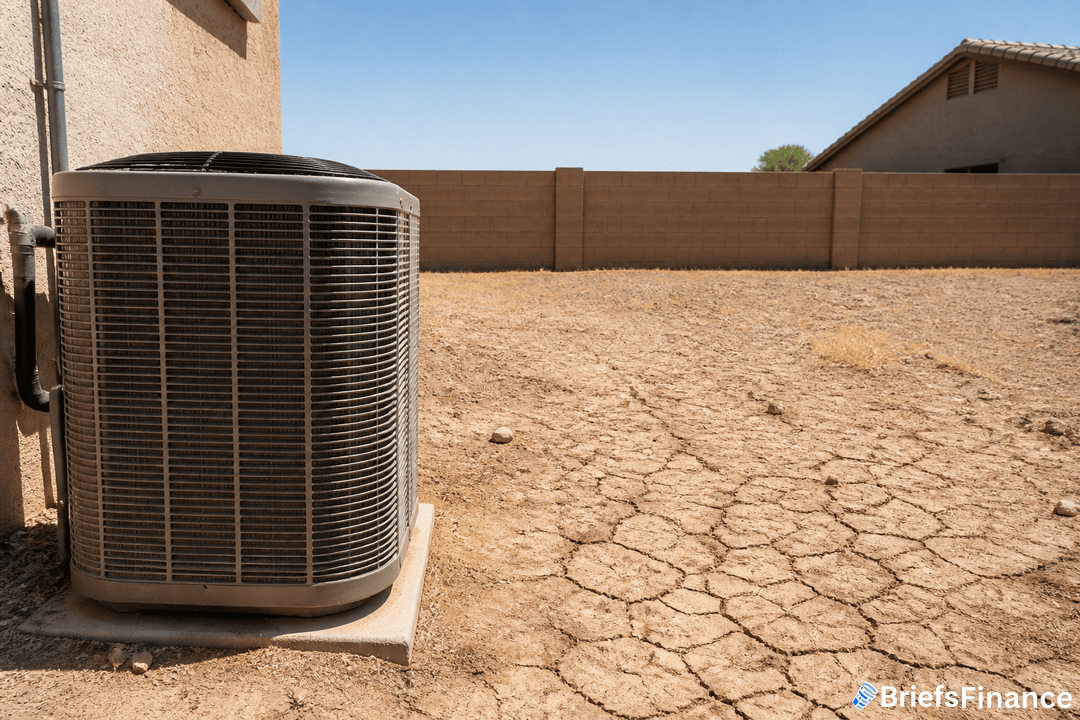
A Heat Wave That Won't Quit
August in Texas is supposed to be hot. This week, it's supposed to be hotter than normal, and the forecast has energy markets paying attention.
AccuWeather projects Houston's average high temperatures from Aug. 20-23 will hit 100F (38C).
That's 5F above the typical reading for that stretch, which may not sound like much until you remember what a few degrees does to an air conditioner.
A few degrees can push air conditioners to run longer. Over several days, that adds up to a serious strain on the power grid.
The result is a surge in electricity use across the state, and that surge is showing up in the natural gas market. Natural gas futures climbed as the forecast came into view.
Futures are contracts to buy gas at a set price later, and they tend to react quickly to weather. When everyone's air conditioners run at once, gas plants have to work harder, and the market prices that in.
The heat is not a one-day blip. Forecasters expect it to stick around for several days, which gives the grid no time to catch its breath.
A few minutes a day is enough to stay genuinely informed about your money. Join Market Briefs free and start tomorrow.
Why Gas Is the Go-To Fuel
Texas can normally lean on wind power to help meet demand. But "wind generation will likely drop just as the heat peaks," Eli Rubin, an energy analyst at EBW Analytics Group, said in a Tuesday note to clients.
When the wind slows, turbines produce less power. That means gas has to cover the difference at the exact moment the grid needs it most.
Gas is often the fuel that fills in when renewable power fades. It can respond quickly when demand spikes, which makes it a natural fit for a hot week like this one.
Rubin also said in that note that the state's grid could set a record for peak demand this week.
Peak demand is the moment when electricity use is highest, and the heat and weak wind are pushing it higher.
A record peak demand means the grid has to deliver more power at one instant than it ever has before. That extra load strains gas-fired plants and the grid itself, and it is exactly what pushed natural gas futures higher.
The wind forecast matters just as much as the temperature forecast. A hot forecast is one thing, but a hot forecast with no wind is another.
What It Means for Your Money
Natural gas prices affect more than utility bills. They show up in the cost of electricity, which matters for everyone who pays for power.
For investors, the takeaway is simpler than it looks. Energy markets are local, and weather is one of the biggest levers.
A heat wave in Texas can move natural gas, a fuel the whole country uses. That means the same weather that makes your air conditioner work harder can also move the value of energy stocks and funds in your portfolio.
It is a reminder that markets are not abstract. The same heat that has you reaching for the thermostat can reach into your portfolio too.
Rates, prices and policy all end up in your budget eventually. Get the free Market Briefs daily newsletter and see it coming.