A Possible Stake Sale in Chongqing
SK Hynix may bring in an investor for its large Chongqing packaging and testing plant. The company has held discussions with possible advisers on the matter, according to people who requested anonymity. "The talks are private," one of the people said.
If SK Hynix sells a stake, the entire facility could be valued at roughly $3 billion. Chinese funds and other industry companies could be among the bidders, and SK Hynix might keep a minority stake.
That would give the company a partner to help accelerate growth without giving up its place in China. But this is still early-stage thinking, and the sources say a deal may not happen at all.
SK Hynix did not respond to a request for comment.
Why the Plant Matters
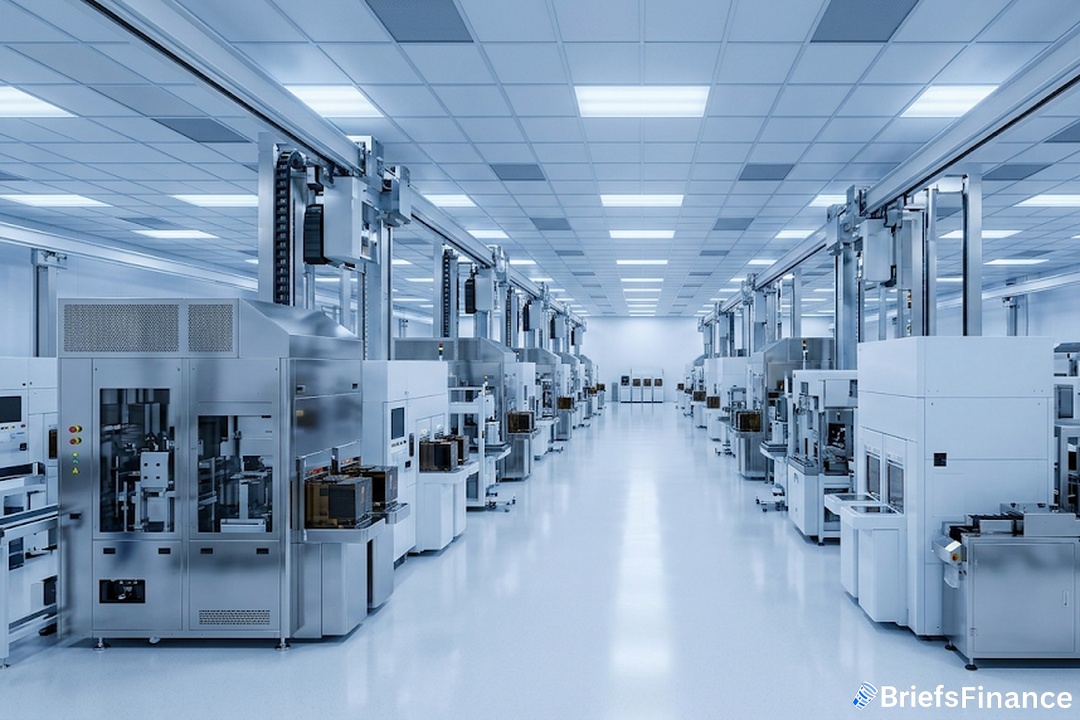
The Chongqing site sits at what the industry calls the back end of chipmaking. That means packaging and testing, the step where memory chips get cut, sealed, and checked before they go into real products.
It's a large-scale hub for that work, supporting SK Hynix's NAND flash back-end production around the world. NAND is the memory that stores your photos and files even when the device is off.
Get the free Always Be Buying eBook and learn the simple system for building wealth on any income
SK Hynix's roots in China go deep. According to its website, it has operated there for more than 20 years, starting with an agreement in Wuxi for its first large overseas wafer plant (a wafer is the thin slice of silicon that chips are cut from).
Memory production is split into two broad stages. The front end involves growing silicon ingots, slicing wafers, and printing circuits onto them; the back end packages and tests those circuits. The Chongqing plant is a back-end site, while SK Hynix's new spending in Yongin and Cheongju will go toward front-end manufacturing. That contrast helps explain why the company can consider selling a China packaging hub at the same time it is expanding domestic plants: the high-value design and wafer work stays closer to home.
The company also happens to sit at the center of the AI boom. It makes the high-bandwidth memory chips, called HBM, that go into Nvidia's AI processors, which makes SK Hynix a key supplier to one of AI's biggest companies.
A Big Bet on Home Turf
On Friday, August 7, 2026, SK Hynix said it plans to invest 54 trillion won, about $38 billion, to expand its chipmaking facilities in South Korea.
The money will fund a new DRAM manufacturing plant in Yongin and a NAND plant in Cheongju. DRAM is the short-term memory your devices use while they run, which makes it a cornerstone of the AI buildout.
SK Hynix said the investment responds to rising memory demand in the AI era. That is the same demand that has made its HBM chips so valuable.
Yongin and Cheongju are both in South Korea, so this is a home-country push. SK Hynix is spending heavily at home just as it weighs a lighter footprint in China.
What It Means for Investors
The two stories are really one story. SK Hynix is adding capacity at home while weighing a possible stake sale abroad.
If the Chongqing deal goes through, it would bring in cash and let the company lean even harder into the AI side of its business. For your portfolio, the AI boom is not just a Nvidia story.
Memory chips are the quiet backbone of every data center, and SK Hynix is one of the few companies that makes the high-end version AI companies need. When you hear about AI demand, it eventually shows up in the sales and spending of suppliers like this one.
No one knows yet whether the Chongqing plan will result in a deal. But the timing, with a $38 billion domestic expansion announced the same week, shows which direction the company expects the industry to go.
That matters for your portfolio because the AI story does not end with the people who design the chips. It is also about the suppliers behind them, and the health of names like SK Hynix is one sign of whether the AI boom really has legs.
Download the free Always Be Buying eBook and start putting your money to work today