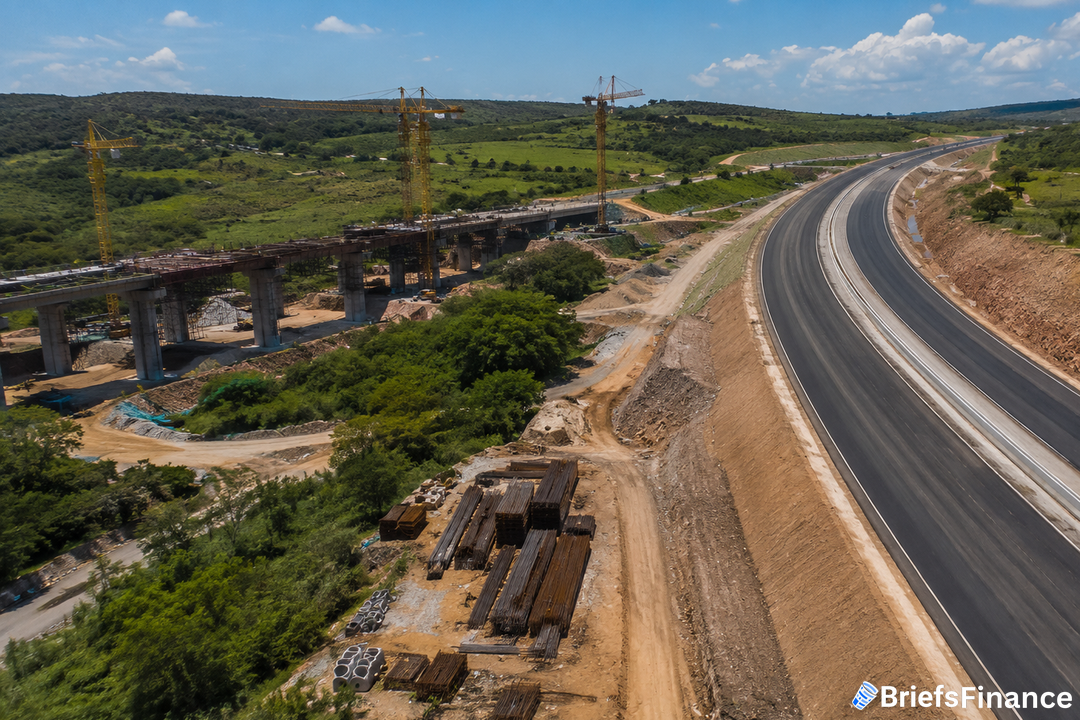
The loan, the fourth in a series of independent development policy loans since 2022, seeks to address the infrastructure challenges that have hampered economic growth for ten years.
The loan builds on a broader reform agenda that has gained momentum under President Cyril Ramaphosa. Since 2022, the World Bank has provided a series of policy loans to South Africa, each targeting specific infrastructure bottlenecks. The energy sector reforms have already led to a dramatic reduction in load shedding, while private investment in renewables has soared. The new loan extends these efforts into the water sector, which has long suffered from underinvestment and governance issues, affecting millions of households, especially in underserved communities.
Get the market news that matters in a five-minute read with Market Briefs, our free daily newsletter
"The operation builds on reforms that are already showing results," the World Bank noted in its official announcement. "Load shedding has been virtually eliminated for a year and a half, private investment in renewable energy has increased sixfold, and rail and port freight volumes have risen by more than 50% since 2023."
The water sector, now receiving attention for the first time in these loan programs, faces chronic underinvestment and weak governance. Many communities, particularly in rural and townships, lack reliable access to clean water, and aging infrastructure leads to frequent leaks and supply interruptions. The new funding will support institutional reforms and investment planning to improve water service delivery. The water sector reform component is particularly critical given that many municipalities face severe infrastructure decay, with non-revenue water losses estimated at over 40% in some areas, and the World Bank's assistance will help strengthen institutional capacity and prioritize investment projects for sustainable supply.
The deterioration of water infrastructure has long constrained South Africa's economic potential, affecting not only households but also key industries such as agriculture and manufacturing that depend on reliable water. With non-revenue water losses exceeding 40% in several municipalities, the need for targeted investment and stronger governance is urgent. The new loan aims to address these gaps, improving service delivery and supporting broader job creation and growth.
Business Leadership South Africa, an advocacy group, maintains a reform progress tracker indicating that close to 70% of priority projects are on track or already completed.
"This program reflects our government's determination to remove the infrastructure constraints that have held back growth and job creation for too long," Finance Minister Enoch Godongwana declared in the statement. "Working with the World Bank Group, we are deepening reforms already delivering results in energy and transport, while for the first time tackling the governance and investment gaps in our water sector that affect millions of households, particularly the poorest."
Join Market Briefs, our free daily newsletter, for a quick daily rundown of the markets