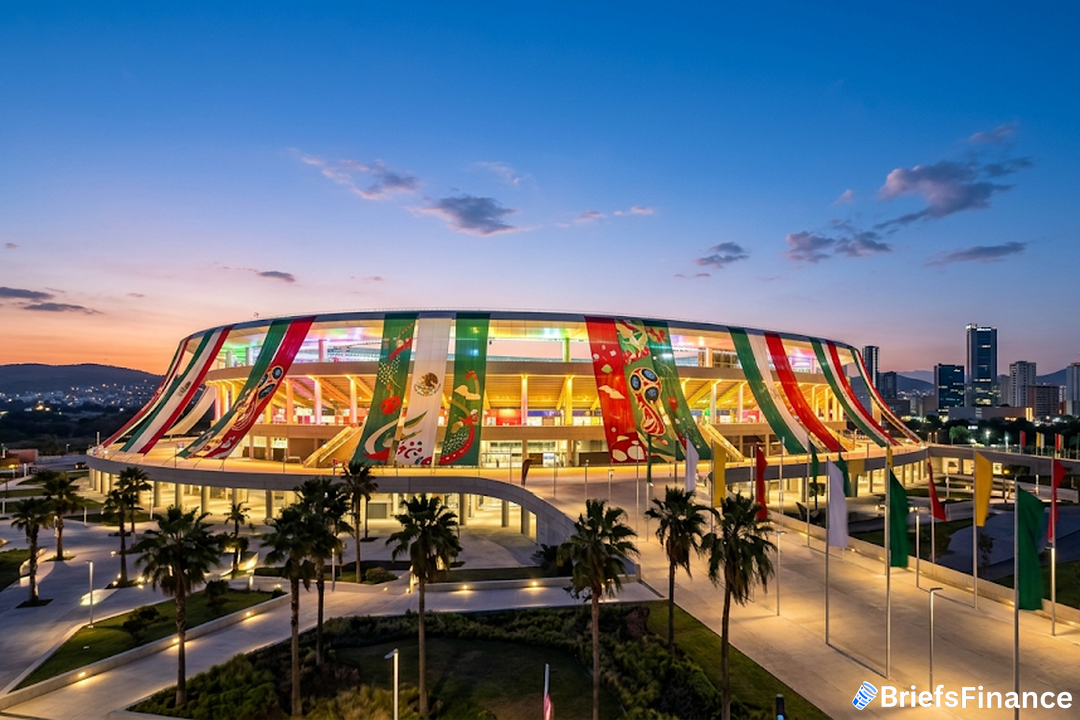
The World Cup Tourists Arrived in Force
The numbers are out, and Mexico's World Cup gamble paid off in visitors.
All told, across the three cities - Mexico City, Guadalajara, and Monterrey - the number of trips tallied 7.5 million, surpassing the initial estimate of 5.5 million.
Of those 7.5 million trips, 40% were made by foreigners. That is a high share for a country where most tourism is usually local.
The spending followed. The government estimated that visitors pumped 39.7 billion pesos into the local economies, which works out to about $2.1 billion.
Not every visitor stayed overnight, though. About 3 million people booked a room for at least one night in a hotel or short-term rental. Another 4.5 million were day-trippers - they came, saw a match or explored the city, and left without sleeping over.
Get the market news that matters in a five-minute read with Market Briefs, our free daily newsletter
Mexico hosted 13 matches out of the total 104 in the tournament, spread across the three cities between June 11 and July 5. The event was co-hosted by the United States and Canada, but Mexico's share of games still generated a measurable economic boost, as the government's report confirms.
Hotel Occupancy and Room Rates Spiked
Average hotel occupancy across the three cities hit 65% for the entire June 8 to July 12 period.
On actual game days, the occupancy rate shot much higher - between 85% and 95%. That is nearly full. And hotel owners made the most of it.
Average room rates rose 51.5% compared to the same time last year. If a room cost 1,000 pesos in 2025, it went for about 1,515 pesos during the World Cup.
There is one twist in the data worth noting. Mexican airport operators saw fewer terminal passengers during the World Cup compared to the year before. The likely explanation is that many travelers flew on charter flights or drove in, skipping the main commercial terminals. Or perhaps domestic air travel dropped because locals stayed home to avoid crowds.
What Comes Next for Mexico and Investors
The tournament is over, but Mexico's Tourism Minister Josefina Rodríguez wants to keep the momentum going.
She said the government plans to work with local authorities and businesses on a promotional campaign aimed at drawing tourists beyond the three host cities. "You don't have to create images, Mexico already has them in real time," she told Bloomberg News. The idea is that international exposure from the World Cup will encourage more leisure and business travelers to visit Mexico in the coming months.
The bottom line: For investors looking at Mexico, the tourism data is a clear signal that major events can drive real, measurable spending. Hotel owners, local retailers, and short-term rental hosts all benefited directly. Airports did not see the same lift, which is worth watching if you hold shares in transportation or travel infrastructure.
The bigger picture is what happens next. A world-class event like the World Cup puts a country on the map for millions of people who had never considered a vacation there. If the promotional campaign works, the real payoff for Mexico's tourism sector - and for anyone invested in it - could stretch well beyond those 13 games.
Join Market Briefs, our free daily newsletter, for a quick daily rundown of the markets