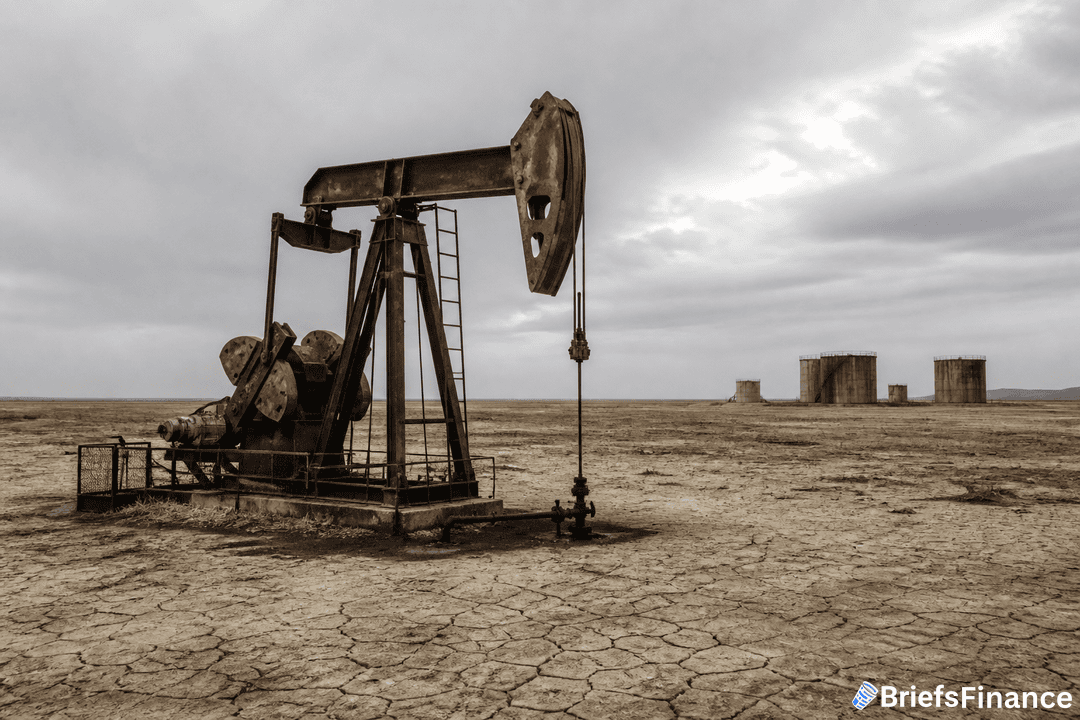
OPEC's Erosion of Power
Venezuela may soon follow the UAE in exiting OPEC, a decision that would challenge the Saudi-led alliance's ability to maintain unity and steer global oil prices. A founding member's departure would signal deeper fractures within the group.
"The very cohesion and credibility of OPEC could be at stake," said former Omani energy official Ali Al Riyami, pointing to rising internal disagreements.
Implications for Oil Markets
OPEC's role as a market stabilizer has diminished in recent years. Rivals such as U.S. shale producers, Brazil, and Guyana have undercut its dominance, while geopolitical conflicts have reduced the influence of traditional leaders like Saudi Arabia.
Venezuela's potential exit, combined with the UAE's withdrawal and rumblings of discontent from Iraq, could slash the cartel's daily output by over 5 million barrels.
Jorge Leon of Rystad Energy warned, "That would be a big hit to OPEC. Venezuela is a founding member," emphasizing both the symbolic and operational blow.
Rates, prices and policy all end up in your budget eventually. Get the free Market Briefs daily newsletter and see it coming.
OPEC's Historical Challenges
Since its founding in 1960, OPEC has relied on production cuts and quotas to control oil markets. However, the rise of non-OPEC output, particularly from U.S. shale firms, has eroded its authority. Internal disputes over production limits have grown as members face conflicting economic priorities. The recent exits highlight the group's struggle to balance these competing interests.
Background: Venezuela's Role in OPEC
Venezuela was instrumental in OPEC's creation and long served as a key player, but its influence waned as economic crises and U.S. sanctions crippled its oil industry. Despite its current low production, its symbolic status as a founding member adds weight to its potential departure. This move would follow Angola's 2023 exit and further strain OPEC's cohesion.
Investor Takeaways
Venezuela's current low output means its departure wouldn't immediately disrupt global supply. However, the broader trend points to OPEC's fading relevance in a market increasingly shaped by the U.S. and China.
"OPEC is fighting what is starting to look like a losing battle against significant changes in the geopolitics of oil," noted Henning Gloystein of Eurasia Group. For investors, this signals heightened volatility and larger price swings as traditional market stabilizers lose their grip.