Free NewsletterPro Login

Traders Fully Price In A Fed Rate Hike By December

Published Jun 7, 2026
Share:
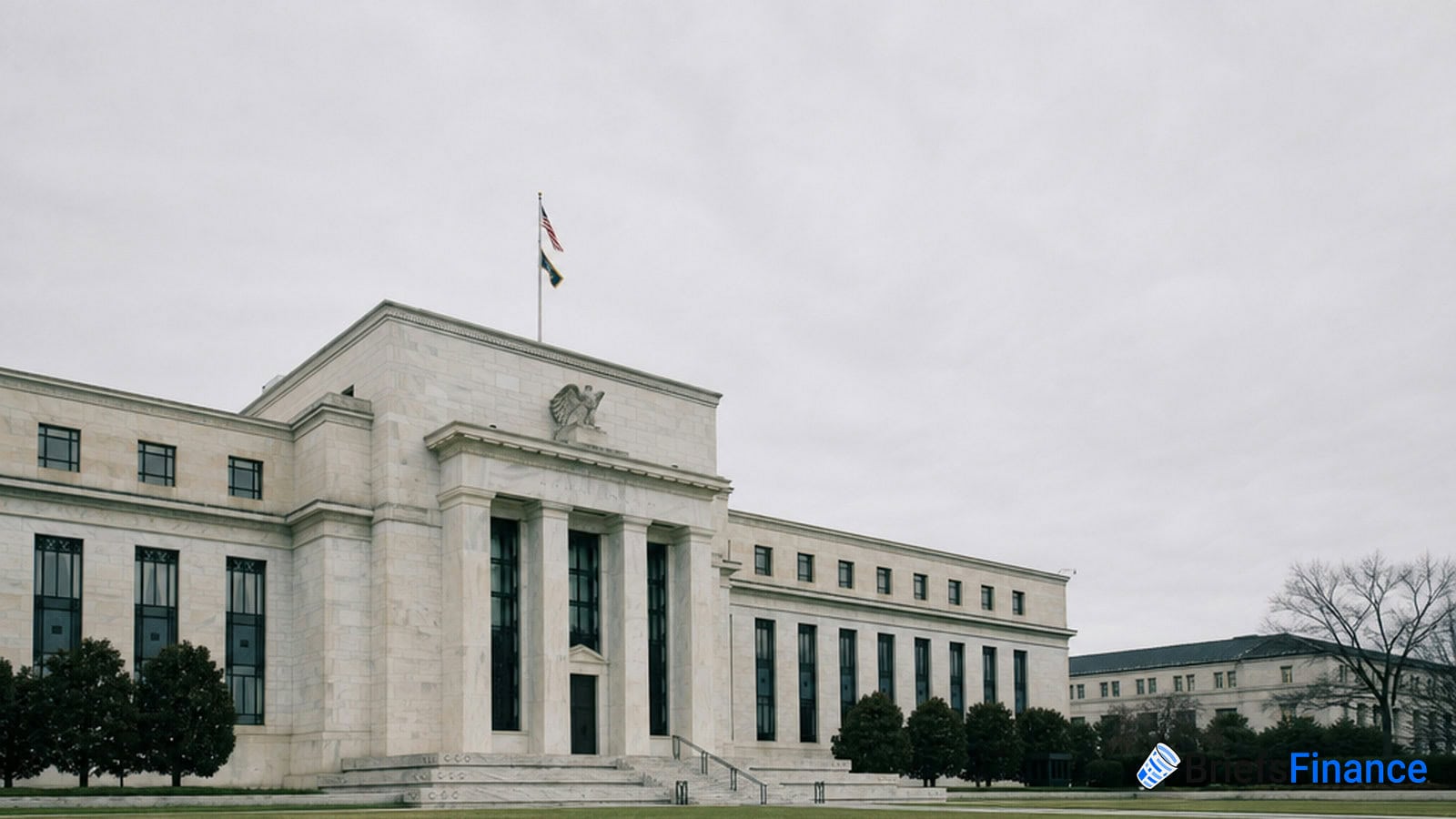
A large, white stone government building with columns and an American flag on top, set against a cloudy sky.
Summary:
  • May payrolls came in at 172,000, beating every Wall Street forecast and marking the strongest three-month hiring stretch in over two years.
  • Two-year Treasury yields jumped to 4.15%, the highest level of the year, as bond traders repriced Fed policy expectations.
  • Markets now fully price in a quarter-point Fed rate hike by December, with roughly a 60% chance the move happens as early as October.

The Fed cut rates three times last year. Traders are now betting the next move is the opposite.

May's jobs report sealed it.

The Jobs Number That Flipped The Script

Payrolls came in at 172,000 last month, beating every forecast on Wall Street. The prior two months got revised up on top of that.

That makes the last three months the strongest stretch of hiring in over two years, with unemployment holding at 4.3%.

Bond traders reacted fast. Two-year Treasury yields - the ones most tied to Fed policy - jumped to 4.15%, the highest of the year, while 10-year yields pushed to 4.53% and 30-year yields cleared 5%.

Markets now fully price in a quarter-point Fed rate hike by December, with October sitting at roughly a 60% shot.

Every morning, Market Briefs breaks down what moves like this actually mean for your portfolio in five minutes a day, with a free 45-minute investing masterclass when you sign up.

How A Year Of Cut Bets Became Hike Bets

The setup has been building since late February, when the US strike on Iran pushed oil prices higher and dragged inflation up with it.

The Fed's preferred inflation gauge ran at 3.8% in April, the fastest pace since 2023, while CPI - the consumer price index, another inflation measure - is expected to print 4.2% for May next week.

A hot job market and inflation drifting further from the Fed's 2% target leaves policymakers boxed in. Several Fed officials have already said they can't back cuts while the inflation gap keeps widening.

"The question is: Will the Fed get out ahead of where markets are pricing, or are markets going to try to push the Fed," said Jeffrey Rosenberg, senior portfolio manager at BlackRock. "So far, it's the latter."

The market is leading, and the Fed is following.

Wall Street Can't Agree On What Comes Next

Most big banks have ditched their forecasts for 2026 rate cuts, and they don't agree on what replaces them.

BNP Paribas thinks the Fed runs its 1999 playbook - three straight hikes to withdraw last year's cuts, which were modeled on the Fed's 1998 response to the Long-Term Capital Management collapse - with the first hike landing in December, possibly sooner depending on Iran and the labor market.

Citi sees it the other way, with economists still expecting three rate cuts this year starting in September, betting that second-half jobs data softens the way it did in 2024 and 2025.

One of them is going to be very right and very wrong.

What To Watch

The next Fed meeting is June 16-17. It's the first one under new Chairman Kevin Warsh, and he's walking into a market that's already priced in hikes he hasn't endorsed.

Whatever Warsh signals in his first press conference will set the tone. Traders aren't waiting for permission.

If you want this kind of read on the market every morning, join 350,000+ investors reading Market Briefs - you also get a 45-minute investing course thrown in as a bonus.

Disclosure

Get Market Briefs delivered to your inbox every morning for free!

No fluff. No noise. No politics. Just finance news you can read in 5 minutes.

Blogs

May 30, 2026
Financial Literacy Books That Actually Build Wealth
  • The best financial literacy books don't just teach budgeting, they shift how you think about money.
  • Two classics stand out: The Intelligent Investor for valuing investments, and Rich Dad Poor Dad for the owner's mindset.
  • Reading is only step one. The real wealth comes from acting on what you learn.
Read More
May 30, 2026
What Is a Roth Conversion? A Simple Guide
  • A Roth conversion moves money from a traditional retirement account into a Roth account.
  • You pay taxes on the money now, in exchange for tax-free growth and withdrawals later.
  • It can pay off if you expect higher taxes or more income in the future, but the timing and tax hit matter a lot.
Read More
May 30, 2026
Trailing Stop Loss: How to Protect Your Gains
  • A trailing stop loss is an order that automatically sells a stock if it falls a set percentage from its recent high.
  • As the stock rises, the sell point rises with it, locking in gains while capping losses.
  • It's most useful for active strategies like momentum investing, not for long-term buy-and-hold.
Read More
May 30, 2026
5 Types of Wealth: Why Money Is Only One of Them
  • Real wealth is more than a bank balance. It spans your finances, health, mind, purpose, and freedom.
  • Money is powerful, but it amplifies the life you already have rather than fixing a broken one.
  • True financial wealth means your cash flow covers your expenses, so your money works while you live.
Read More
May 30, 2026
How to Invest in Private Equity: A Beginner's Guide
  • Private equity means investing in companies that aren't listed on the stock market.
  • Traditional private equity is built for experienced, high-net-worth investors with large amounts to invest.
  • New rules have opened more accessible paths, like startup crowdfunding and real estate deals, often starting around $100.
Read More
May 30, 2026
What Is a Call Option? A Simple Guide With Examples
  • A call option gives you the right to buy a stock at a set price by a set date.
  • Investors buy calls when they expect a stock to rise, using less money than buying the shares outright.
  • The most you can lose buying a call is the premium, but time works against you, so it's an advanced tool.
Read More
May 30, 2026
EBITDA Formula: How to Calculate It Step by Step
  • EBITDA stands for Earnings Before Interest, Taxes, Depreciation, and Amortization, a measure of a company's core profit.
  • The formula adds those four items back to net income to show what the underlying business earns.
  • Investors use EBITDA to compare companies and to judge how many times earnings a stock is selling for.
Read More
May 30, 2026
What Is a Stock Option? A Plain-English Guide
  • A stock option is a contract giving you the right, but not the obligation, to buy or sell a stock at a set price by a set date.
  • There are two types: calls (the right to buy) and puts (the right to sell).
  • Options are powerful but risky, so they suit investors who already have the basics down.
Read More
May 30, 2026
Put Option: What It Is and How It Works
  • A put option gives you the right to sell a stock at a set price by a set date.
  • Investors use puts to bet a stock will fall, or as insurance to protect shares they own.
  • The most you can lose buying a put is the premium you paid, which makes it a defined-risk tool.
Read More
May 30, 2026
Operating Margin: What It Is and How to Calculate It
  • Operating margin shows how much profit a company keeps from its core business after paying its running costs.
  • The formula is operating income divided by revenue, shown as a percent.
  • A strong, steady operating margin signals a well-run business that controls its costs.
Read More
1 2 3 22
Share via
Copy link










