AI Has a Big Electric Bill
AI needs more than clever software. It needs electricity, and lots of it. SpaceX just put a number on how much that costs.
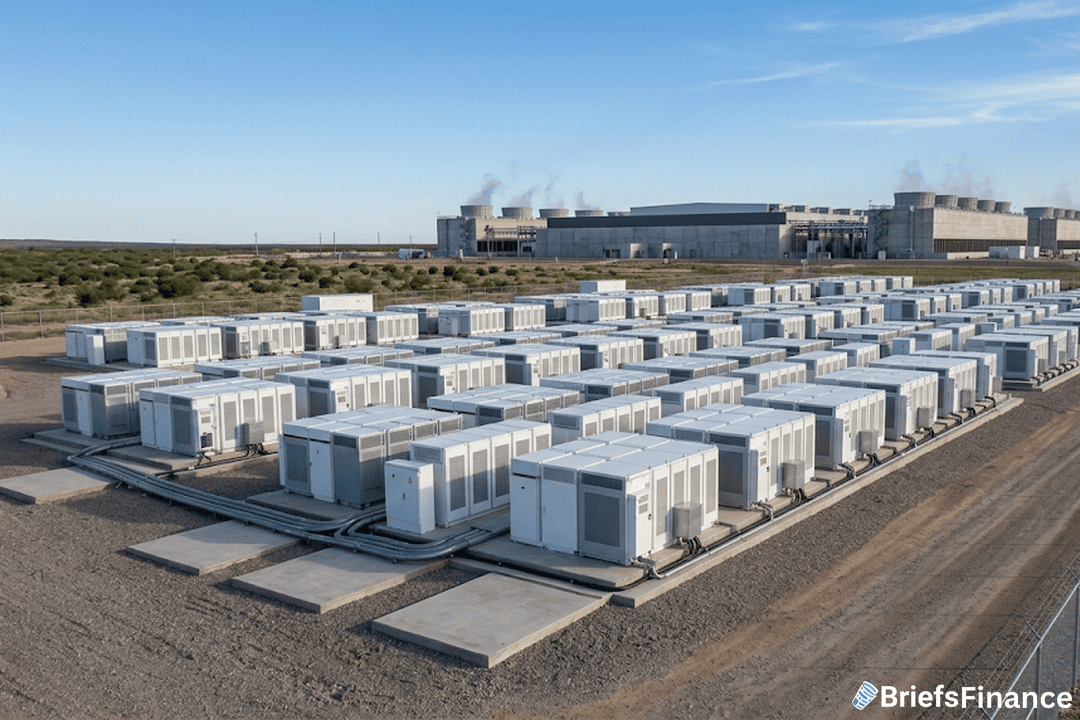
In Q2 2026, SpaceX bought $295 million of Tesla Megapacks for its AI data centers. SpaceXAI, the AI arm formerly known as xAI, has been installing the systems at its Colossus data centers around Greater Memphis. Add that to earlier purchases this year, and SpaceX's Megapack spending for the first half of 2026 reached $329 million.
This is not the first time Elon Musk's companies have done business. Tesla and SpaceX have shared resources, shared staff, and a history of related-party deals. Last year, SpaceX bought $506 million of Tesla Megapacks and $131 million of Tesla Cybertrucks.
SpaceX bought the trucks at full sticker price, with no discounts. That detail stood out because consumer demand for the angular steel pickup had already weakened and the vehicle had gone through multiple safety recalls. In the first half of 2026, SpaceX has not reported buying any more Cybertrucks.
The Battery Behind the Big Numbers
A Megapack is basically a giant rechargeable battery for the power grid. It stores electricity so a data center can keep running through an outage or a sudden jump in demand. Megapacks can use lithium-ion or alternative battery cells, and they can pull energy from fossil fuels, solar, wind, and other renewable or intermittent sources. That makes them useful when the wind stops blowing or the sun goes down.
Get the free Always Be Buying eBook and learn the simple system for building wealth on any income
Four Megapacks arranged around one transformer make up a Tesla Megablock. That is how Tesla packages its storage in bigger chunks.
Tesla does not have this market to itself. Wood Mackenzie's research names U.S.-based Fluence, Korea's LG, and China's Sungrow, BYD, and CATL as leading rivals. They are all competing for the same data center demand.
Residents and the NAACP Push Back
The Colossus sites are not running on batteries alone. They also use dozens of natural-gas turbines for electricity. Residents near the sites have cited odors, health issues, noise, and dirty air. The backlash against data center developers has spread nationally.
The NAACP sued SpaceXAI, formerly xAI, in Mississippi federal court over the turbines' use with no pollution controls or required federal permits. The lawsuit adds a legal layer to a debate that is already playing out in neighborhoods, not just on earnings calls.
Musk's Goal: 20 Gigawatts by Next Year
On SpaceX's Q2 earnings call, Elon Musk said the company would move quickly to grow its AI operations and generating capacity. "Our tentative target is to actually have 20 gigawatts of power and cooling live online by the end of next year," he said. He said some projects "won't pan out exactly on time," but added that he would still expect something close to 15 gigawatts at the power-plant level.
Those are massive goals. They are also a reason battery orders like this one may not be a one-time purchase. A company aiming for 20 gigawatts online by the end of next year needs a steady stream of equipment.
For your money, those numbers tell the story. The AI buildout is sending money into batteries, turbines, and the companies that make them. If you own Tesla or a broad fund that holds AI infrastructure stocks, these purchases are part of what you own.
The bigger question is whether data center growth can keep up with demand without running over neighbors, local concerns, and the power grid. That answer will arrive quarter by quarter, and you will see it in company filings and utility bills before you feel it in your portfolio.
Download the free Always Be Buying eBook and start putting your money to work today