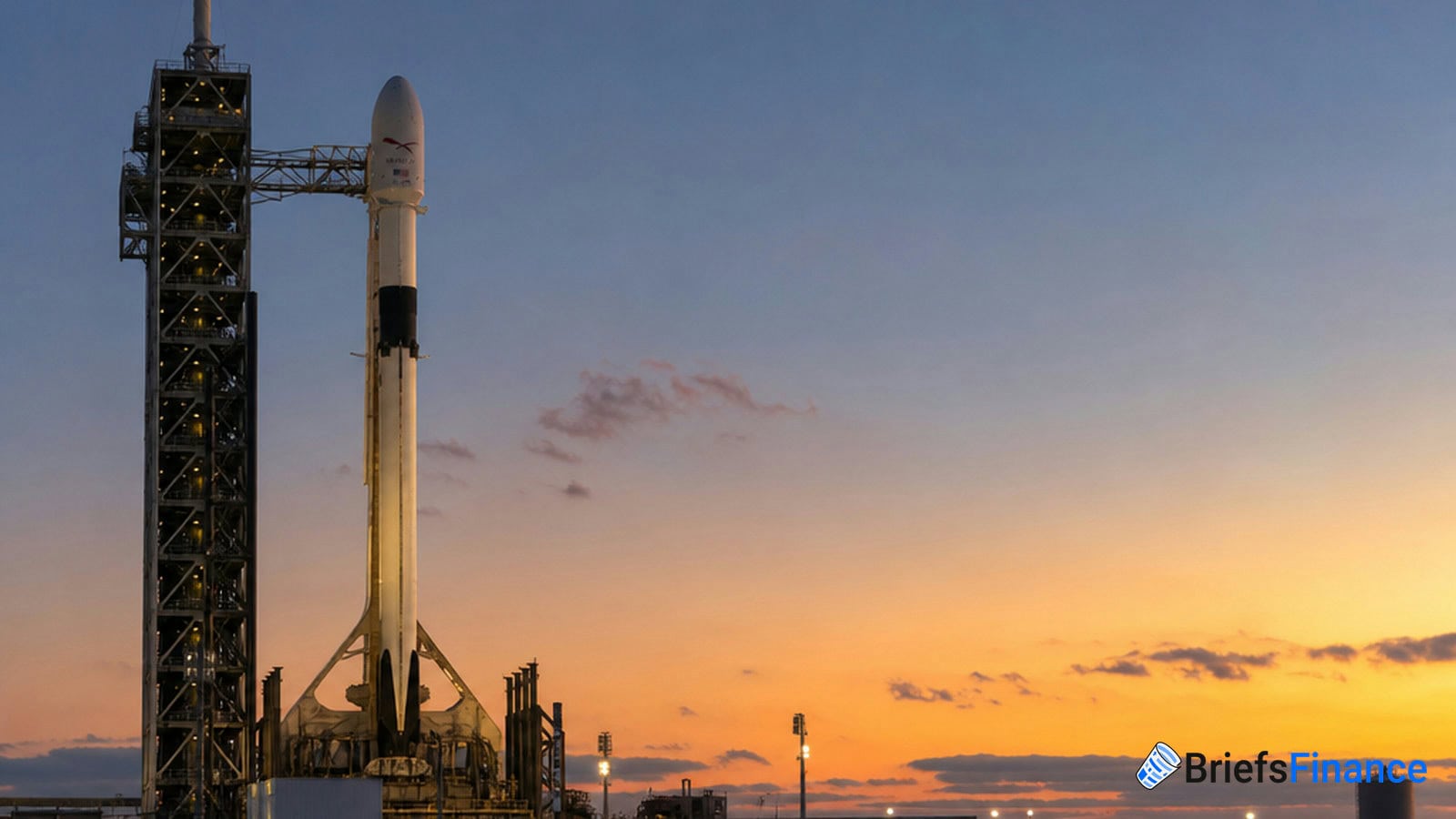
SpaceX has never sold a share to the public, even though it's already worth more than most companies in the S&P 500. Now the rocket maker is reportedly planning an IPO - or initial public offering, when a private company first sells shares - that could become the biggest in history.
That's a strange setup, because most companies go public to raise money they need to grow. SpaceX is doing it the other way around.
The Record It's Chasing
The benchmark is Saudi Aramco, the state-owned oil giant that pulled in $25.6 billion when it listed in 2019 - still the largest IPO ever. Alibaba sits just behind with roughly $25 billion from its 2014 debut.
To break that mark, SpaceX would need to sell more stock in a single offering than any company has before - which isn't a slam dunk, even for a name this big.
Recent private market deals have valued SpaceX in the hundreds of billions, which means even floating a small slice of the company could clear the Aramco bar.
We track the IPOs that actually matter for your portfolio in Market Briefs - five minutes a day, plus a free investing masterclass when you sign up.
Why Elon Musk Has Held Off
Musk has spent years saying he doesn't want SpaceX to go public, mostly because he doesn't want quarterly earnings pressure pulling focus from the long-term mission of reaching Mars.
But the math has shifted, since early employees and investors who backed SpaceX a decade ago need a way to turn paper gains into real money - and Starlink has grown into a business that public markets would actually pay up for.
Why The Math Looks Different Here
Most IPOs are about cash, because the company needs money to grow and sells shares to the public to get it.
SpaceX doesn't really have that problem. Starlink - its satellite internet arm - is reportedly throwing off real cash now, while the launch business has lapped every rival in winning rocket contracts.
So an IPO here is less about funding and more about something else: giving early employees and investors a way to cash out, while letting public market buyers finally get in. Both groups have been waiting years for the chance.
That changes the playbook, since pricing pressure usually comes from a company that needs the deal to work - and SpaceX doesn't.
For everyday investors, that matters. The chance to own a piece of SpaceX has been locked behind closed doors since the company was founded in 2002, and a public listing would finally crack that door open.
What To Watch
Three things will decide whether a record-size deal actually happens.
- Market conditions. Mega-IPOs need a hot tape, and a cold market kills the price.
- Starlink's numbers. The story rides on Starlink looking like a real business, not a moonshot.
- Elon Musk's timing. He's the wild card on every move SpaceX makes.
Aramco's record has stood for six years, and SpaceX is the first company with a real shot at breaking it.
If you want this kind of read on the biggest market stories every morning, join 350,000+ investors reading Market Briefs - you also get a 45-minute investing course thrown in as a bonus.