The Problem With Building Everything at Once
AI is expensive. Really expensive.
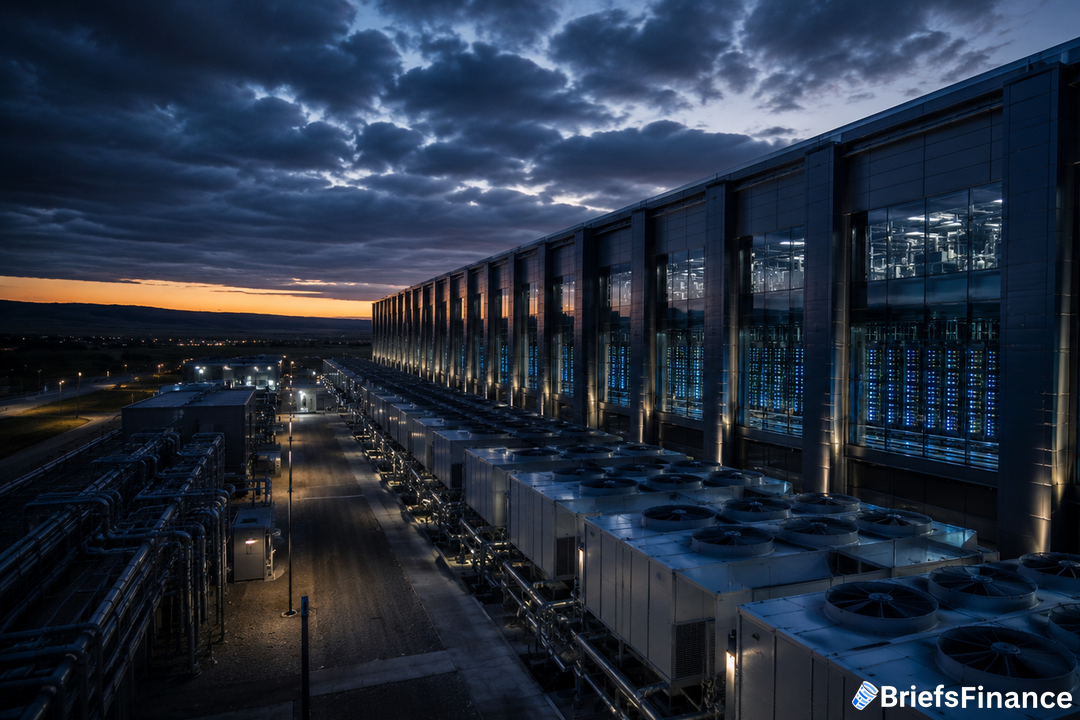
Most of the big names in tech - Amazon, Alphabet, Microsoft, Meta, Oracle, and CoreWeave - are pouring money into data centers, servers, and chips as fast as they can. Moody's Ratings just warned that this spending spree is starting to strain their finances.
The shift is a big one. These companies used to run on an "asset-light" model. They sold software and cloud services that did not require much physical stuff. Now they are building giant facilities full of hardware. That change is what Moody's calls "unprecedented."
Here is the scale of it. According to Moody's projections, the combined capital spending of these six firms is expected to reach $785 billion in 2026, then climb to roughly $1 trillion the following year. That is a lot.
To pay for it, they are piling on debt. Moody's estimates that the six hyperscalers now carry about $460 billion in direct debt. But the bigger number than direct debt is lease commitments - $1.2 trillion total. And $820 billion of that is for data centers that have not started yet, meaning they are still being built.
Get the market news that matters in a five-minute read with Market Briefs, our free daily newsletter
Who Feels the Heat First
Credit rating agencies like Moody's watch whether a company can pay its bills. A downgrade makes borrowing more expensive. So far, the largest players look safe. The report states that Microsoft, Alphabet, Amazon, and Meta still have some of the world's most solid corporate balance sheets, so their investment-grade ratings are not at immediate risk.
The trouble is concentrated at the edges.
Oracle's Moody's credit rating is Baa2, and its negative outlook puts the firm only two steps away from junk territory. CoreWeave, rated Ba3, operates in the high-yield space and depends on intricate private debt arrangements to fund its fleets of GPU hardware.
Moody's also highlighted a peculiar aspect of the current AI surge. According to the ratings agency, a portion of the billions in backlog orders that hyperscalers report come from strategic agreements with pre-IPO AI labs such as OpenAI and Anthropic. These tech giants have poured billions into AI labs, which then use that money to buy large amounts of cloud services from the same investors, forming what Moody's calls a "circular AI ecosystem". The interconnected relationships raise the level of risk, as many leading firms now rely on identical AI clients and share the same assumptions about future demand.
Alphabet seems to have sensed the strain. Last month it announced an $85 billion equity sale - selling shares instead of taking on more debt. That is a signal that even the biggest names are watching their credit.
What It Means for Your Portfolio
This is not a crisis. Moody's is not predicting a wave of defaults. But the warning is a reminder that massive spending has consequences.
Nevertheless, Moody's noted that the large tech companies possess considerable advantages that counterbalance these concerns. AI computing demand stays strong, cloud operations keep expanding, and hyperscalers have locked in hundreds of billions of dollars worth of long-term client deals, which are expected to generate steady income. These contracts bolster the sector's generally solid credit standing, notwithstanding the current spending surge.
However, Moody's advises that investors need to understand that the tech sector's financial structure is transforming in a way never witnessed during the cloud era. The ratings firm said, "Investors will increasingly focus on these companies' ability to realize an adequate return on investment."
The bottom line: the ones sitting on piles of lease commitments for data centers that are still under construction have the most to explain.
Join Market Briefs, our free daily newsletter, for a quick daily rundown of the markets