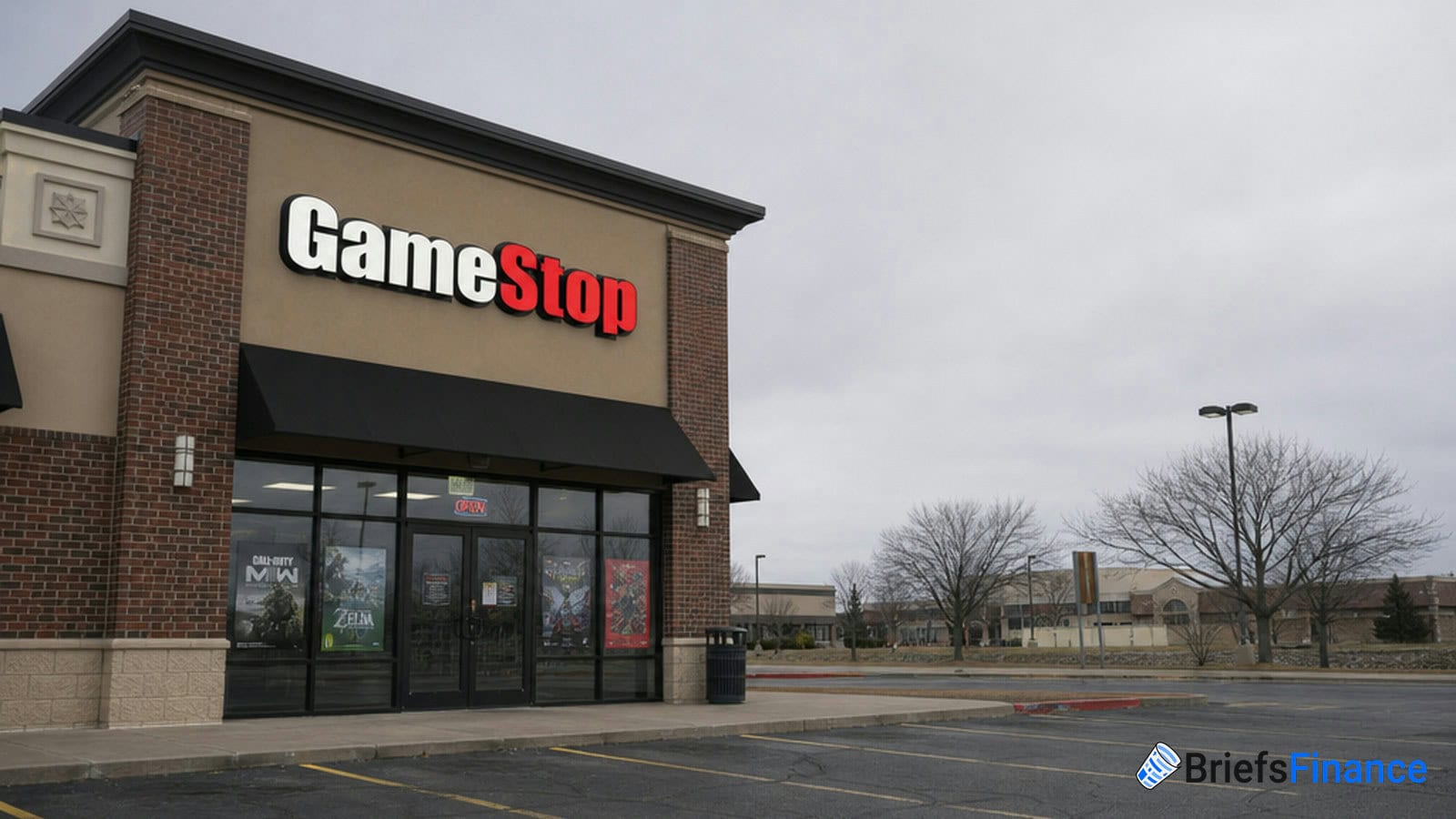
A GameStop shareholder just filed suit to block a $35 billion pay package for CEO Ryan Cohen. The complaint says the board quietly reversed itself on whether Cohen could vote his own 9.3% stake to approve the payout.
The case lands in Delaware's Chancery Court. That's the same venue that initially struck down Elon Musk's $56 billion Tesla pay package in 2024 - a ruling the Delaware Supreme Court later reversed in December 2025, restoring the package.
That reversal made it harder, not easier, for shareholders to challenge supersized CEO pay - which raises the bar for the plaintiff suing GameStop's board.
The $35 Billion Number
Cohen's package only pays out if GameStop hits two very big targets. The company has to reach a $100 billion market cap, and $10 billion in EBITDA.
EBITDA stands for earnings before interest, taxes, depreciation, and amortization. It's basically a measure of how much cash the core business throws off.
For a company best known as the original meme stock, those numbers are enormous. GameStop's market cap sits just under $10 billion today, meaning Cohen would need to grow the business many times over to collect.
Cohen built his reputation at Chewy, the online pet retailer he co-founded and sold for $3.35 billion in 2017. He brought that activist style to GameStop in 2021, took over as chairman, and became CEO in 2023.
That track record helps explain his $56 billion bid for eBay earlier this year. eBay called the offer "neither credible nor attractive" and rejected it, but the price tag shows how Cohen is approaching the math.
Want more on the stories Wall Street is actually watching this year? Join Market Briefs - it takes 5 minutes a day, and a free investing masterclass comes with it when you sign up.
The Voting Fight
GameStop's board first put out a press release saying the vote would exclude Cohen's shares. Only "unaffiliated stockholders" - meaning regular public investors - would decide the result.
The board then reversed course in the proxy statement sent to shareholders, according to the complaint. The new rules changed whether Cohen could vote his 9.3% stake and how abstentions would be counted.
GameStop has not publicly explained the shift between the press release and the proxy filing.
That matters because Cohen is GameStop's single largest stockholder. If he and other insiders are allowed to vote, the complaint argues only about 15% support from public investors would push the package through.
The suit calls the change an attempt to "disenfranchise stockholders." It asks the court to halt the July 7 vote until GameStop makes proper disclosures.
What to Watch
The July 7 vote is the next checkpoint, unless the court pauses it first.
The bigger question is what kind of GameStop Cohen needs to build to collect on the package. A $100 billion market cap is many multiples of where the company trades today, and the math doesn't work without major M&A.
That means more deals are likely coming, and the rejected eBay bid was probably not Cohen's last swing. The next acquisition target - and how Delaware handles this lawsuit - will shape whether Cohen ever collects.
For our daily read on stories like this one - and a 45-minute investing course thrown in as a bonus - join 350,000+ investors reading Market Briefs every morning.