What Is Happening in the Gulf
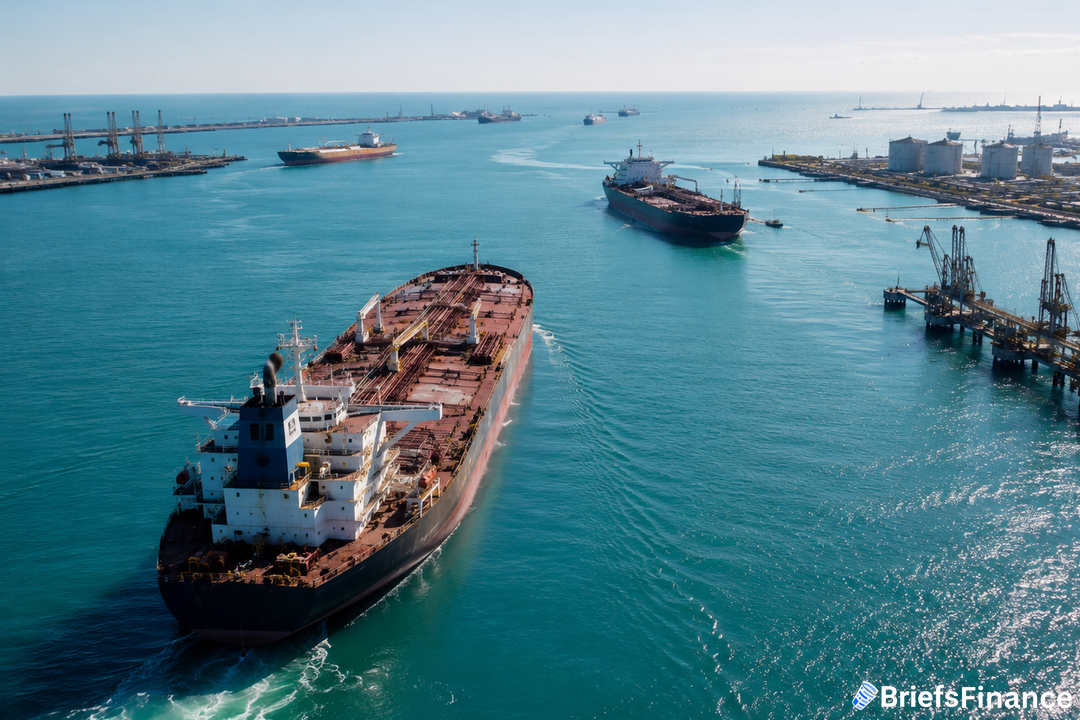
The shuttle operation for oil in the Strait of Hormuz has resumed following a brief slowdown, enabling millions of barrels to be shipped out as tensions rise across the Middle East.
Four of the pairs were as long as supertankers and capable of holding 8 million barrels in total, performing ship-to-ship transfers. Earlier in July, some shuttle movements decreased because of heavy exchanges of fire between the United States and Iran.
This transfer method first appeared during the war's peak and has become crucial for certain producers. These producers employ ships to move cargo - frequently sailing without transponders to remain hidden - from the Persian Gulf to vessels positioned outside the strait, which subsequently carry the oil to purchasers. A large number of shipowners are hesitant to sail through the strait, prompting local suppliers to rely on their own ships or long-term agreements to deliver oil.
According to informed sources, at least two companies that ship barrels via the strait are now moving quantities nearly as high as before the conflict intensified.
Get the market news that matters in a five-minute read with Market Briefs, our free daily newsletter
Why This Matters for Oil Markets
After a US-Iran ceasefire in June, a single-day record of 18 million barrels crossed the strait. In the period before that June accord, daily traffic through Hormuz ranged from 4 million to 7 million barrels, according to estimates by banks and officials in Washington.
On Wednesday, US Energy Secretary Chris Wright stated that US forces are still escorting oil shipments through Hormuz, and approximately 13 million barrels exit the Gulf daily - half via the strait and half through alternative pipelines. According to US Central Command, since the start of May, American assistance has enabled about 500 million barrels to depart Hormuz, implying an average of roughly 5.6 million barrels per day.
People knowledgeable about the situation say that purchasers of Gulf-sourced crude are now receiving shipments that were previously postponed. At least two firms have taken delivery of cargoes outside the strait that recently transited Hormuz and were scheduled for collection weeks earlier. The oil is mostly made up of UAE products purchased in earlier auctions that Abu Dhabi National Oil Co. conducted for its offshore grades. Because of the holdups, some customers faced extra charges for vessels they had chartered that arrived later than anticipated.
How the renewed hostilities in the region this week might affect shipments remains uncertain.
What Happens Next
According to fixture data, Adnoc's shipping division has arranged for a fuel tanker to collect a shipment from a ship-to-ship transfer close to Sohar soon and deliver it to Asia. A spokesperson for Adnoc said: "We do not comment on the position, movements, or routing of our vessels as a matter of policy."
Since the conflict started, other regional nations have likewise participated in moving barrels out of the Persian Gulf via shuttle operations. A portion of the cargoes that exit the strait go straight to buyers after passing through Hormuz, without using the shuttle method. Monitoring precise volumes is difficult, particularly because ships frequently navigate without transponders to stay hidden.
Join Market Briefs, our free daily newsletter, for a quick daily rundown of the markets