GLP-1 weight-loss drugs are supposed to be bad news for food companies. The drugs kill appetite, shoppers eat less, and food stocks drop.
Then there's Glanbia.
The Irish company behind Optimum Nutrition has more than doubled in a little over a year, making it the biggest gainer in the Stoxx 600's food, beverage and tobacco group so far in 2026 as it trades near a record high.
Why Protein Wins When Appetite Loses
Doctors prescribing GLP-1s have been telling patients the same thing: keep your protein up. The drugs cut hunger so hard that users risk losing muscle along with fat, which means the fix is more protein in the diet.
Suddenly, GLP-1 users weren't shoppers Glanbia was losing - they were shoppers it was gaining.
Barclays analyst Alex Sloane called Glanbia "a rare example of a company in the food or ingredients space that has been a beneficiary rather than victim of rising GLP-1 penetration."
The bigger picture stretches well beyond the drug story. Barclays puts the global protein market at roughly $1.7 trillion already, with demand set to grow 37% over the next five years.
The US government also raised its daily protein guidance recently, pushing protein further into the mainstream diet.
Every morning, Market Briefs breaks down which stocks are actually catching the trend and which are just along for the ride - in five minutes a day, with a free investing masterclass thrown in when you join.
Why Powders Are Beating Shakes
The hot protein trade used to be ready-to-drink shakes, with companies like BellRing Brands riding that wave hard.
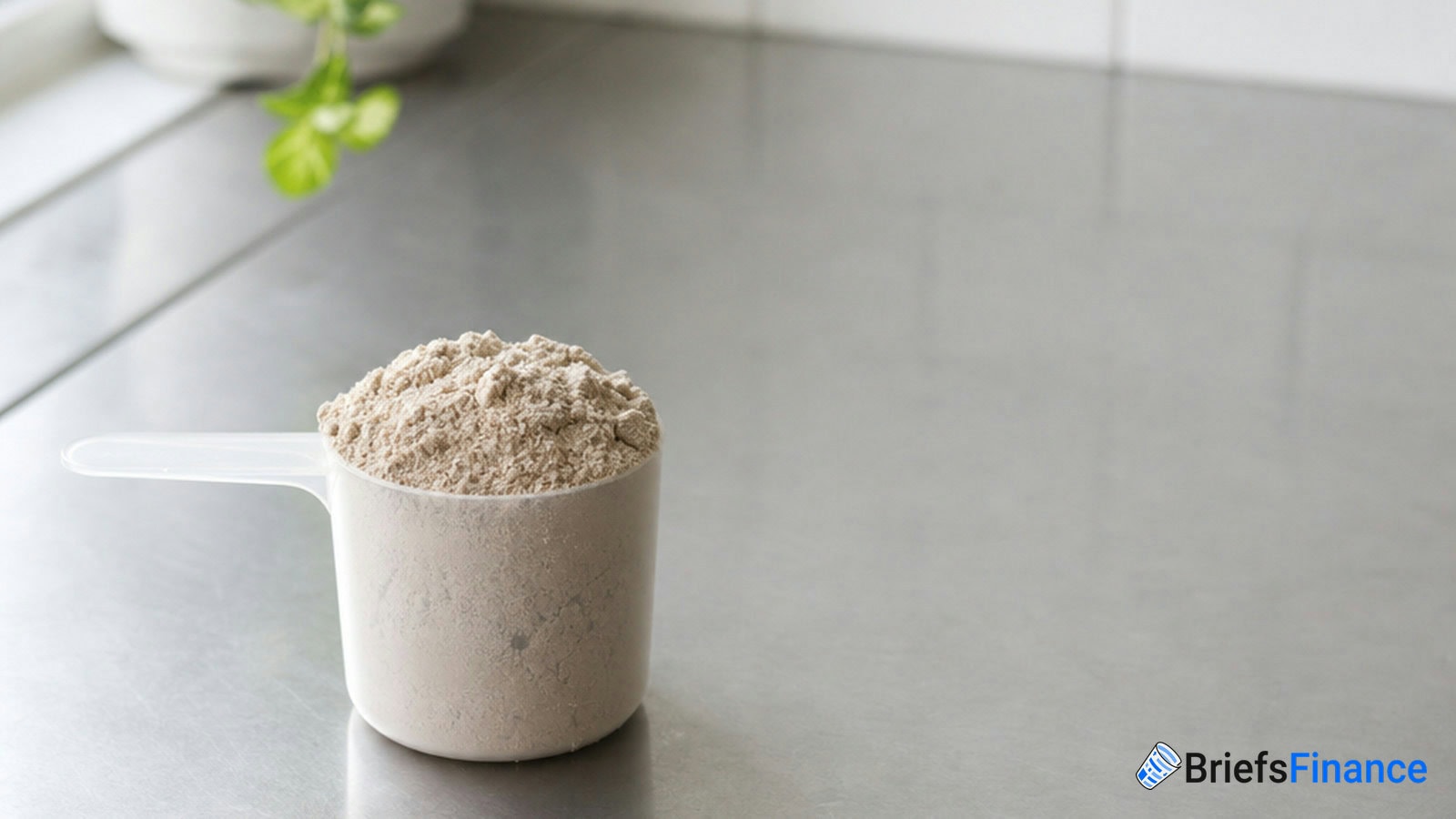
Then the cost of living caught up to shoppers. Households started looking for value, and powders give you more protein per dollar than a pre-made shake.
"When households and consumers had more money, they were prepared to pay for the convenience of a bar or shake," said Jeneiv Shah of Sarasin & Partners. Now they want value, he said, which is part of why Glanbia has run so far.
The company has worked both ends of the demand. It signed Formula One champion Lando Norris for a campaign, sold off some non-powder brands, and pushed its Isopure label at women on TikTok with promotions built around a lack of artificial ingredients.
The Risks Worth Watching
Whey is the catch. The cheese byproduct goes into nearly every protein shake and powder on the shelf, and demand is making it more expensive by the month.
GNC's CEO recently warned that further whey-driven price hikes could finally crack protein powder demand - and GNC happens to be one of Glanbia's key retail and wholesale partners.
Glanbia says it has a "strong playbook" for managing whey costs and has already locked in supply for the year.
The valuation has stretched too. Glanbia trades at 16.4 times expected earnings - a 10% premium to its food and beverage peers and 35% above its own five-year average.
Tirlán, the company's largest shareholder, sold about 12 million shares after Glanbia hit a new high on June 11. It still owns 13.2%.
What to Watch
Six analysts rate Glanbia a buy, three say hold, and none say sell.
The bull case is bigger than the GLP-1 angle. Protein has shifted from a gym-bro purchase to a daily habit, and the cheapest form of it sits on Glanbia's shelves.
That's not a diet trend. It's a category shift.
If you want this kind of read on the market every weekday, join 350,000+ investors reading Market Briefs - you also get a free 45-minute investing course as a bonus.