The robot race is fixed on machines that look like us. Genesis AI just zigged the other way.
The startup is backed by former Google CEO Eric Schmidt. It just showed off a work robot called Eno.
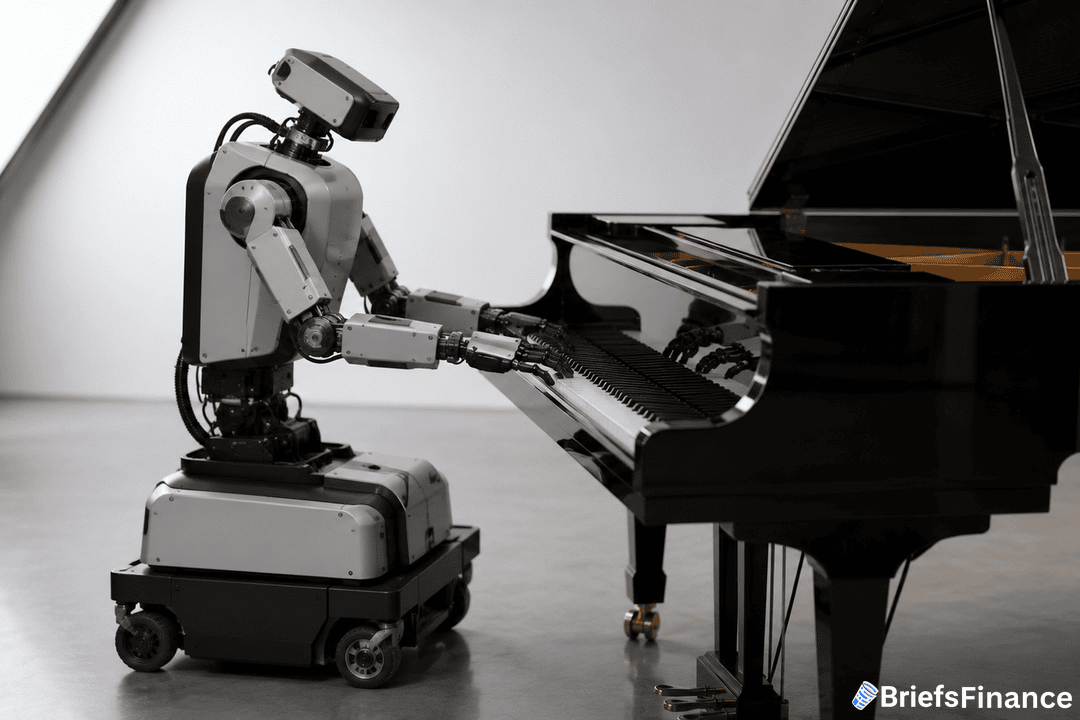
Instead of a humanoid, Eno is a wheeled machine built to get jobs done. And it is being built with Korean giant LG.
The Paris-based firm is betting that buyers care more about results than looks. A wheeled robot is also simpler, cheaper to build, and harder to tip over.
The launch lands as the robot race heats up. Big tech and startups are all piling in.
A Robot Built To Work, Not To Look Human
Eno skips the human shape most rivals chase. The pitch is that it can think, adapt, and own a result.
It does not just run a fixed script. In plain terms, it has memory.
It can plan a task with several steps over time. Schmidt says its speed is the real leap.
The team showed that off by having Eno play the piano. That is not just a party trick.
Playing it well takes fast, sharp choices. That is just what factory and warehouse work needs.
Most robots today do one fixed job. Eno is built to handle many.
We track how the AI story is spilling into the real world in Market Briefs - five minutes every morning, plus a free investing masterclass when you sign up.
Why The LG Deal Matters
A flashy demo is one thing, and real customers are another. That is where LG comes in.
The two will first test Eno in manufacturing and logistics at LG's own US sites. From there they want to reach LG's other factory clients.
After that, they plan to go global. LG knows factories well, so its help could speed up real plant tests.
For a young robot maker, a big partner like this is a shortcut to the floor.
Real factory tests are what turn a demo into a product.
The Money And The Timeline
The startup has raised $105 million. Backers include Eclipse, Khosla Ventures, and Schmidt himself.
It plans to start building robots and first jobs by the end of 2026. The plan starts with shipping and factories.
That timeline is quick for a brand-new robot. Hitting it would be a real test.
Then it moves to hotels, hospitals, and one day, homes. Money has been pouring into robots lately.
The bet is that they can fill jobs people no longer want. The prize is huge.
Labor is one of the biggest costs nearly every business carries. A robot that is cheap to build and easy to set up could win that work fast.
What To Watch
The big question is whether a plain work robot beats the humanoids grabbing headlines. The first real answer comes when Eno ships at the end of 2026.
If robots and the money chasing them are your thing, join 350,000+ investors at Market Briefs and get a 45-minute investing course as a free bonus.