The Numbers Tell a Clear Story
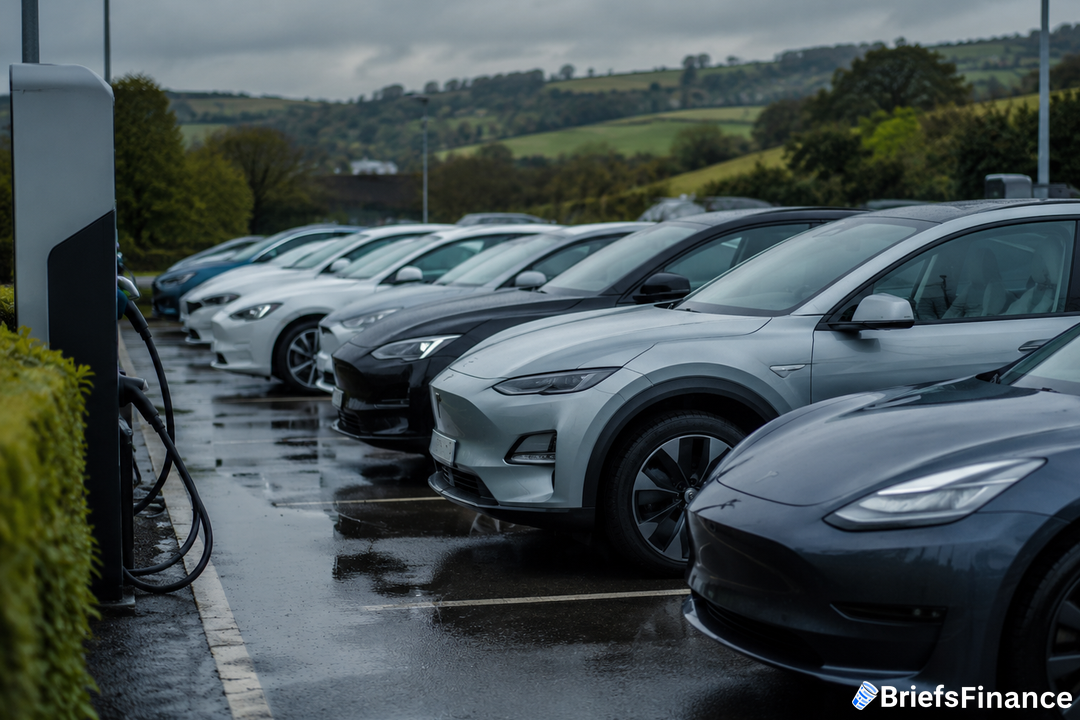
The UK's used car market just flipped a switch. Eight out of those ten were fully electric - double the share from a year earlier.
The average used EV cost £24,662 ($33,177) in July, up 1.6% from last year. That is the first price increase since December 2022, after a long stretch of declines. Tesla had three models on the top-ten list, and Chinese-owned MG claimed the speed crown.
Why Fuel Prices Matter More Than Ever
That makes an electric car - even a used one - look like a smarter daily choice.
Get the market news that matters in a five-minute read with Market Briefs, our free daily newsletter
Marc Palmer, head of strategy and insights at Autotrader, said the trend feels real this time. "We've seen in the past how external shocks, including fuel price volatility linked to the conflict in the Middle East, can create short-term surges in electric interest," he noted. "It feels significant to see demand being sustained beyond that initial reaction."
That matters because it is not just a flash in the pan. Buyers are making a longer-term bet on lower running costs. Meanwhile, petrol stalwarts like Volkswagen's Golf hatchback and Ford's EcoSport SUV landed on the list of the ten slowest-selling used cars.
The ZEV Mandate and Market Realities
The increasing demand for electric cars is also a positive sign for the UK's Zero Emission Vehicle mandate, which was implemented in 2024 and sets annual targets for automakers to produce new zero-emission cars until 2030.
However, UK regulators and car manufacturers have been at odds. In 2025, the government softened EV sales requirements following automakers' complaints that the targets did not align with actual consumer interest. The initial plan to ban new petrol and diesel car sales by 2030 has been revised; now manufacturers can continue selling hybrid vehicles until 2035.
Despite an increase in new EV sales, fully electric cars accounted for only 23% of the market in April, falling short of the 33% goal set by the ZEV mandate for this year. This indicates that although EV adoption is rising, it has not reached the levels anticipated by the mandate, likely leading to more disputes between policymakers and automakers over the regulations.
Gail Glazerman, a senior sustainable finance analyst at Bloomberg Intelligence, said: "Surging gasoline prices amid the Iran war could partially offset weaker government support for electric vehicles. Even before the war, auto sales trends suggested continued consumer interest, if not always the financial capacity, for more efficient vehicles despite waning government subsidies and policy support."
What the Used Market Signals
The rapid turnover of used EVs also bolsters residual values, which had been a weak spot for early adopters worried about depreciation. Faster sales mean dealers are more confident stocking electric models, creating a positive feedback loop that could accelerate the shift away from petrol. For consumers, the combination of lower running costs and stronger resale potential makes used electric cars an increasingly practical alternative, even as government incentives fade.
Join Market Briefs, our free daily newsletter, for a quick daily rundown of the markets