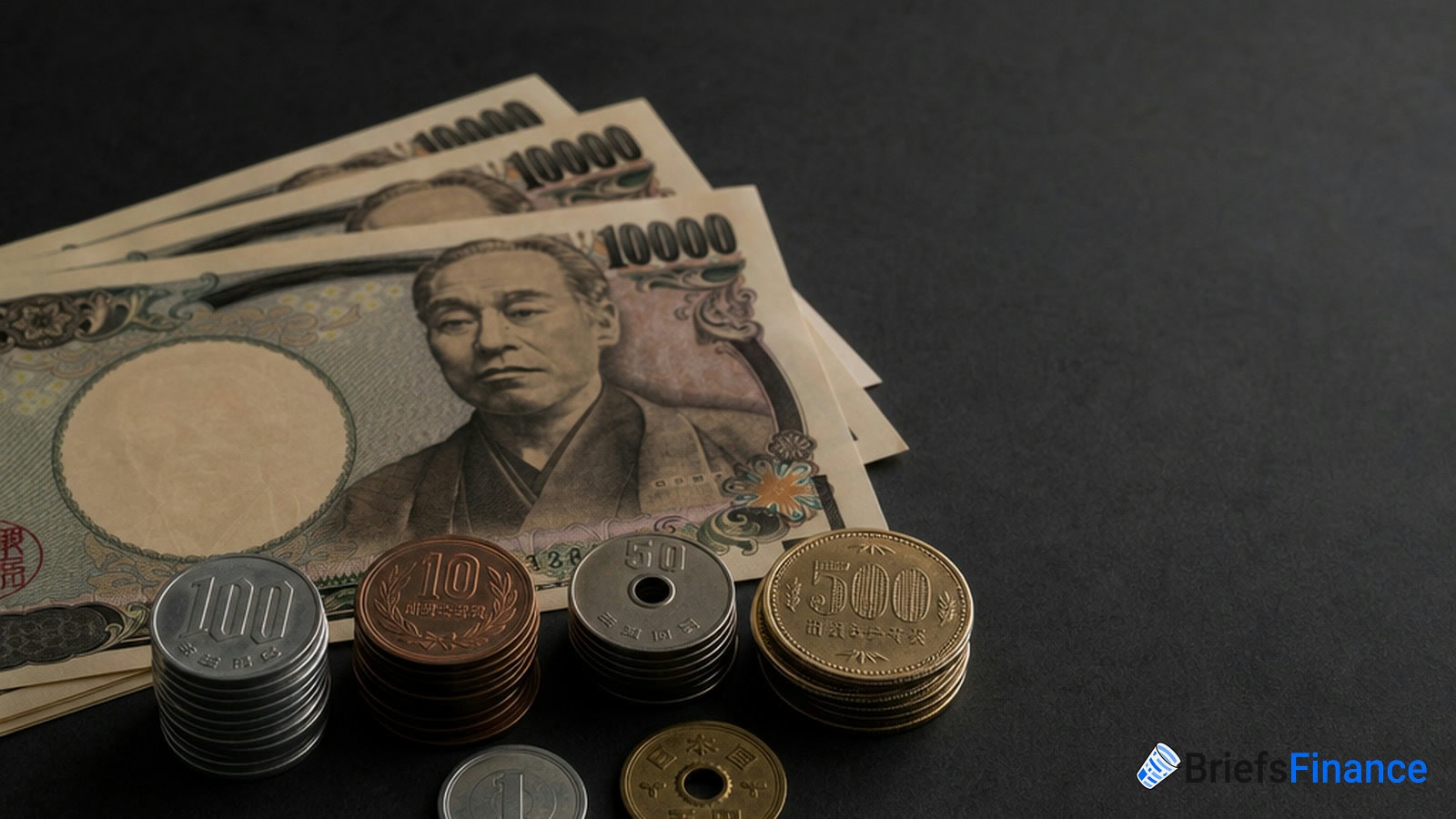
Japan has spent $74 billion since late April trying to prop up the yen, which is still hovering near 160 to the dollar.
Now the Bank of Japan might do what all that spending couldn't - raise rates and give the yen a real boost.
The currency's weakness has been a drag on consumers, making imported food and energy more expensive while inflation stays above the BOJ's 2% target.
What's On The Table
BOJ officials are looking at a quarter-point hike at their June 15-16 meeting, which would push the main rate to 1%. That would be the highest level since 1995, though still one of the lowest of any major economy.
Markets are already pricing it in, with traders betting an 88% chance of a hike this month. Officials are also signaling another increase could come later this year.
Governor Kazuo Ueda all but confirmed it Wednesday. He said the bank needs to act if inflation risks are bigger than the danger from the US-Israel-Iran conflict.
He thinks they are, with inflation projected to potentially hit 3% this fiscal year.
The bank had held rates steady since December. Officials now see upside risks to prices emerging sooner than expected.
Currency moves like this can ripple through everything from US stocks to commodities. Market Briefs breaks down what's actually moving global markets every morning in five minutes, and you also get a free 45-minute investing masterclass when you join.
Why The Vote Math Already Works
Three board members voted for a hike back in April, and two more have since publicly signaled they're ready.
That's a majority of the nine-member board before Ueda even casts his vote.
There will be some opposition, but not enough to change the outcome.
One wildcard is Toichiro Asada, Takaichi's first pick for the board and a known reflationist - meaning he favors keeping money cheap.
Prime Minister Sanae Takaichi, who picked Asada, is a longtime stimulus supporter, though she told parliament this week that monetary policy is the central bank's call.
The Other Big Decision
The BOJ is also rewriting its bond plan, currently letting its portfolio shrink by ¥200 billion (about $1.3 billion) per quarter through March next year.
Officials are considering slowing that pace next April or pausing the reduction entirely, since pulling back too quickly could shake the bond market.
The BOJ has spent years buying bonds and still owns roughly half of Japan's government debt.
Either way, the portfolio is set to shrink as old bonds mature.
What To Watch
The Fed is expected to hold steady on June 17 under new chair Kevin Warsh, while the European Central Bank is expected to hike next week.
That would leave Japan as the third major central bank moving within days of the others.
Japan tried this once before. In 2024, it intervened to support the yen in April, the BOJ skipped a June hike, and a second round of intervention came in July before rates finally moved.
This time, $74 billion may be enough to force the issue early.
Want the global market story in five minutes a day? Join 350,000+ investors reading Market Briefs and get a free investing masterclass thrown in as a bonus.