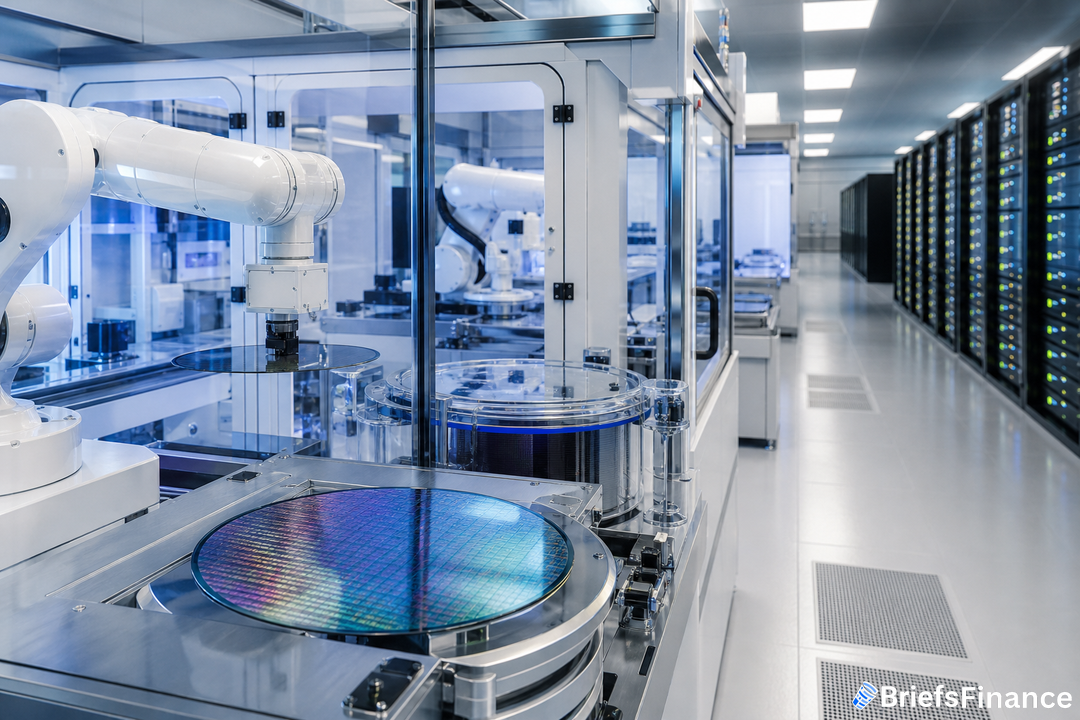
The Hardware Behind the AI Boom
Andreessen Horowitz (a16z) has unveiled its "Machine Age Fund," a $1.1 billion initiative to support AI infrastructure development. In a blog post, the firm outlined plans to back technologies like processors, data center components, and next-generation robotics. The fund recognizes that AI's rapid growth is outpacing current hardware capabilities, creating bottlenecks in compute resources and supply chains.
This move comes as the AI industry faces mounting pressure to solve scalability challenges. Training advanced models like GPT-4 reportedly required tens of thousands of specialized chips, highlighting the urgent need for more efficient hardware architectures. Analysts estimate global AI chip demand could grow fivefold by 2027, far exceeding current production capacity.
Why a Software Pioneer Is Betting on Hardware
Though known for software investments, Andreessen Horowitz has steadily expanded into hardware. Recent deals include stakes in Unconventional AI and Mind Robotics, alongside earlier support for SpaceX. The shift reflects a belief that AI's scalability hinges on breakthroughs in physical infrastructure.
Nvidia's latest earnings call underscored this urgency. CEO Jensen Huang stated, "Demand for our chips is growing beyond 70% in fiscal year 2028 but is constrained by supply." The comment highlights the widening gap between AI's potential and the hardware required to sustain it.
Addressing the AI Infrastructure Gap
The AI boom has exposed critical shortages in specialized hardware. Training complex models requires unprecedented computational power, straining semiconductor supplies and data center capacity. Andreessen Horowitz's fund aims to bridge this gap by funding innovators who can rethink everything from chip design to energy-efficient data centers.
Rates, prices and policy all end up in your budget eventually. Get the free Market Briefs daily newsletter and see it coming.
Emerging areas like photonic computing and neuromorphic chips could reshape the landscape. Startups developing these technologies may benefit from the fund's capital, particularly as traditional semiconductor manufacturing struggles to keep pace with AI's exponential needs.
Investor Takeaways
The $1.1 billion fund signals a strategic pivot toward the foundational technologies enabling AI progress. While demand for AI chips skyrockets, supply chain disruptions remain a hurdle. Andreessen Horowitz's move underscores the importance of hardware in unlocking AI's next phase - where advances in silicon and systems are as vital as algorithmic breakthroughs.
For investors, the message is clear: AI's future depends on infrastructure. With this massive commitment, Andreessen Horowitz is positioning itself at the forefront of a hardware revolution.
*Stay informed with* Market Briefs, *your daily financial news digest.*