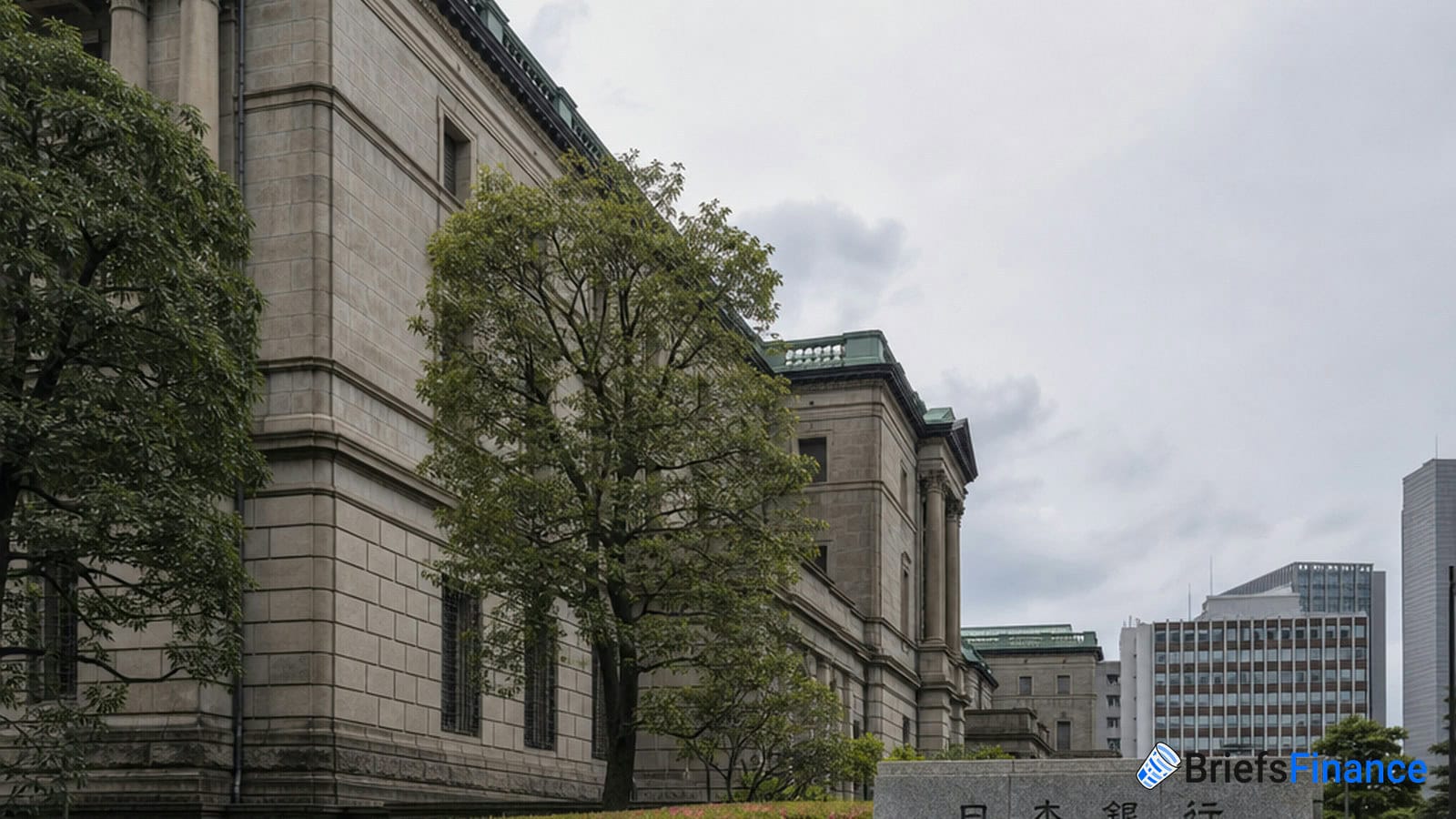
Japan just raised interest rates to their highest level in 31 years, and its stock market hit an all-time high the same day. Those two things aren't supposed to happen together.
Tuesday's move closed the door on a 13-year stimulus push that started under former PM Shinzo Abe and stretched through negative rates, yield curve control, and trillions of yen in bond buying.
The End of a 13-Year Experiment
The Bank of Japan raised its benchmark rate by a quarter point to 1%, the highest setting since 1995 when Japan was still climbing out of its bubble-era crash. The 7-1 vote signaled near-total agreement on the board, even with Tokyo's new prime minister pushing for easier money.
The bigger shift came in the bond market, where the BOJ said it will stop cutting back its monthly purchases starting April 2027 and hold them steady at about ¥2 trillion ($12.5 billion). For context, Japan bought roughly ¥1.8 trillion in bonds a month before the 2013 stimulus push began.
Purchases later peaked at ¥23.7 trillion in early 2023 before the BOJ started winding them down. Returning to ¥2 trillion brings policy back to where things stood before the experiment started.
Moves like this reshape what bonds, stocks, and the dollar do next. Market Briefs breaks it all down every weekday morning in five minutes, and you get a free 45-minute investing masterclass when you join.
Why Markets Didn't Flinch
Both moves were signaled ahead of time, so the bigger question was what the BOJ would say next - and the answer was that more hikes are coming. The bank pointed to high oil prices feeding into business costs and warned that inflation could push above its 2% target.
That's central bank speak for "we're not done." Core inflation cooled below 2% earlier this year, but the BOJ now warns that elevated oil prices are being passed through quickly and could push underlying inflation back above target.
Despite that pressure, the yen barely moved on the news, slipping to 160.35 per dollar as the Nikkei 225 briefly crossed 70,000 for the first time ever. With the move now baked in, traders see a 54% chance of another rate hike by October.
The bigger global question is what happens to the yen carry trade, where investors borrow cheap yen to buy higher-yielding assets abroad. Higher Japanese rates make that trade more expensive and could pull capital back home over time.
The Political Wrinkle
Prime Minister Sanae Takaichi has made it clear she'd prefer easier policy, and the lone dissenter on Tuesday's vote, Toichiro Asada, was her pick for the board. Another dove she chose, Ayano Sato, starts at the end of June.
Meanwhile, the board's two most hawkish members see their terms expire in 2027 - the same year bond purchases stabilize at ¥2 trillion. The pace of hikes from here may come down to who's sitting in the room.
What to Watch
The October meeting is now the one to watch, since the BOJ's language Tuesday read less like a one-off move and more like the start of a tighter cycle.
Adding to the unusual nature of Tuesday's decision, Governor Kazuo Ueda wasn't even in the room - he's been in the hospital since last week for a liver cyst infection. The board hadn't met without its governor since 2010, which made the near-unanimous outcome more notable.
All told, Japan spent 13 years on the biggest stimulus experiment in modern central banking, and Tuesday's decision marked its formal end.
For the kind of read that connects central bank moves to what they actually mean for your portfolio, join 350,000+ investors reading Market Briefs - a free investing masterclass comes with the signup.