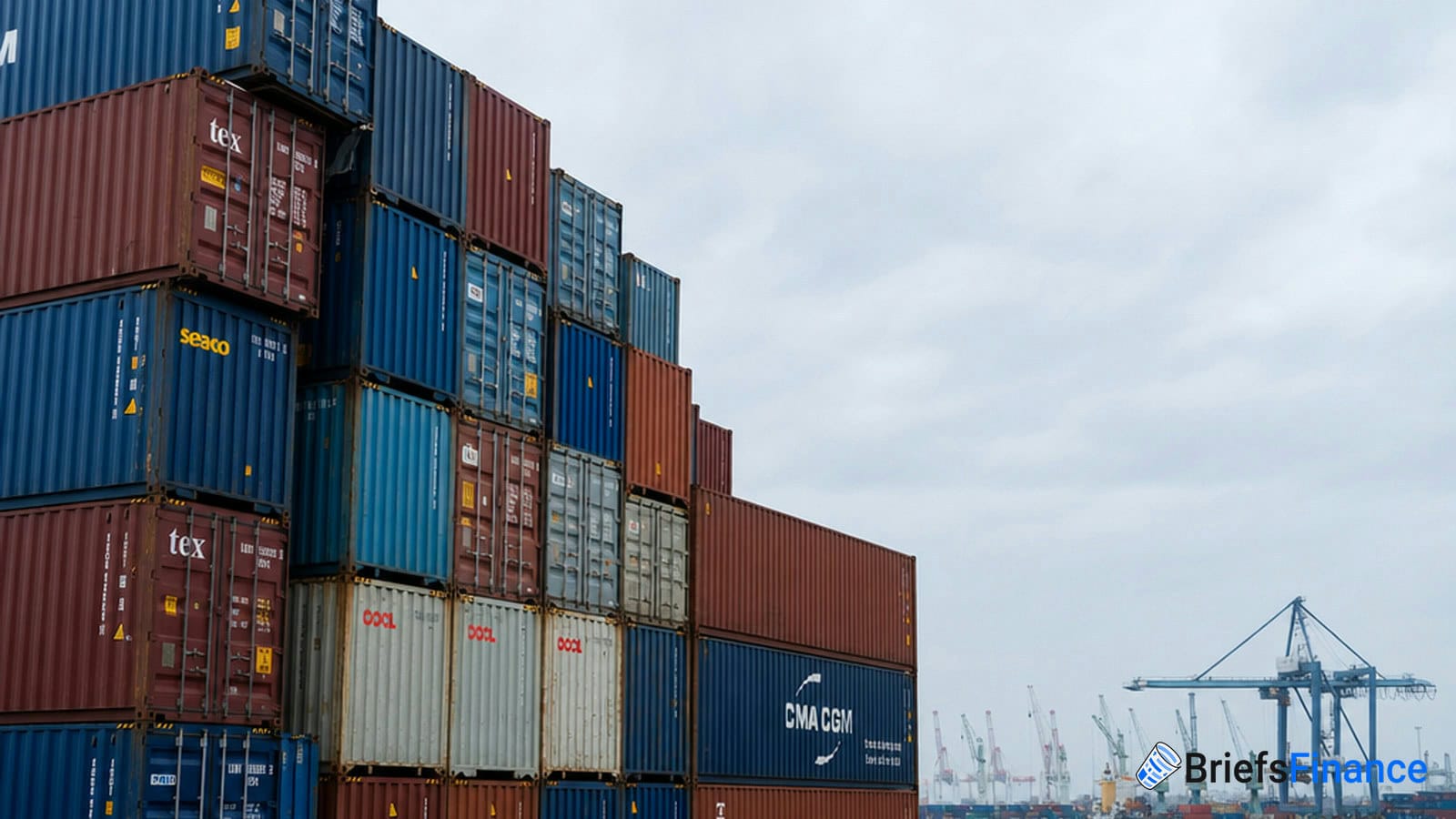
Trump's tariff plan has been struck down twice in court this year, and now he's back with a third try - and a new legal tool to push it through.
U.S. trade chief Jamieson Greer said Tuesday night that 60 trading partners, including the European Union, have failed to crack down on goods made with forced labor. The plan: tariffs of at least 10% on imports from every one of them, with higher rates for the worst offenders.
The Workaround
This is Trump's third try at building a tariff wall around the U.S. economy.
The first try used a 1977 emergency law called IEEPA, short for the International Emergency Economic Powers Act. The Supreme Court ruled in February that Trump can't use it for broad tariffs without a vote from Congress.
The second try leaned on Section 122 of the Trade Act, a law no one had ever used before, and a trade court shut that one down in May.
Round three uses Section 301, a 1974 trade law that lets the president hit countries for unfair trade practices. The hook this time is forced labor, with Trump's team saying 59 countries plus the EU haven't enforced laws against goods made by forced workers.
Section 301 also lets the U.S. add tariffs once the trade chief finds the offense, with no vote from Congress needed.
If you want a quick read on how tariff fights move markets every morning, Market Briefs breaks it down in five minutes a day - plus a free investing masterclass when you sign up.
Who Gets Hit
The 12.5% rate would apply to imports from China, Brazil, South Korea, Switzerland, and the UK, while the 10% rate would cover the European Union, Canada, and Mexico.
Together, those countries make up a big chunk of what the U.S. buys from abroad - cars, phones, medicine, food, and just about everything in between.
A 10% to 12.5% surcharge on that volume means tens of billions in new costs that importers will either eat or pass on to U.S. shoppers.
Greer's office has also opened a separate look into what the team calls "excess manufacturing capacity" among 16 of America's biggest trading partners, giving the White House another tariff lever to pull later.
What to Watch
The big question: will Section 301 hold up where the first two laws didn't?
It has a longer track record - Trump used it against China in his first term and the courts let it stand, which is likely why his team picked it this time.
But the scope is much bigger now, with 60 partners instead of one, and the same trade groups that beat the first two rounds in court are already lining up.
Trump's team hasn't yet set a start date, and Section 301 usually needs a public comment period before new tariffs kick in.
To stay on top of how this plays out for your portfolio, join 350,000+ investors reading Market Briefs - you also get a 45-minute investing course thrown in as a bonus.