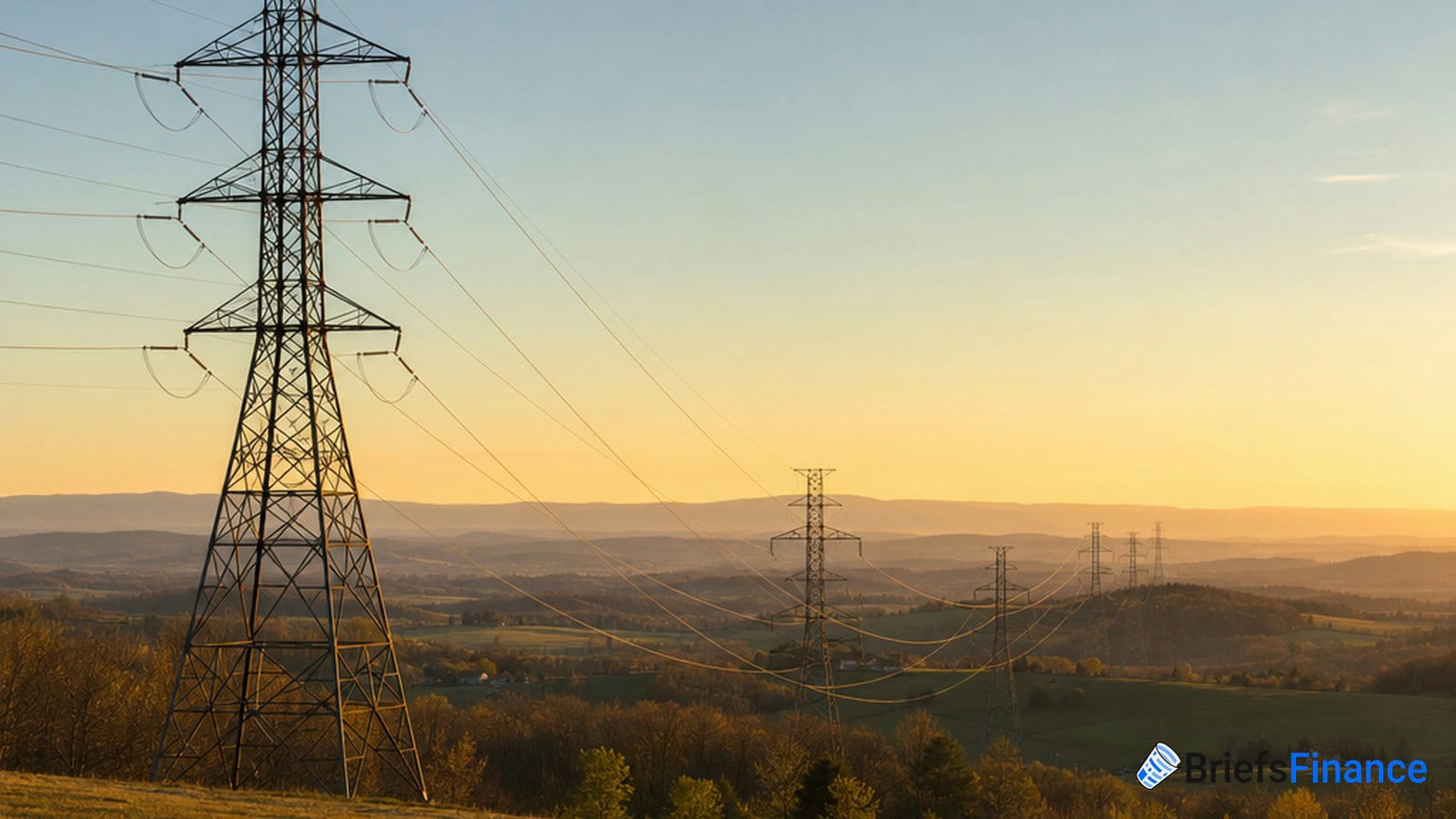
AI data centers are pulling more power from the grid than anything has in decades, and Virginia sits at the center of that demand.
Now two of the largest U.S. utility companies want to combine - a deal that still has to clear three state regulators, along with FERC and the Nuclear Regulatory Commission.
Inside The Combined Company
NextEra and Dominion just proposed a merger that would reshape who powers the East Coast. The combined company would serve about 10 million customer accounts across Florida, Virginia, North Carolina, and South Carolina.
It would also control 110 gigawatts of generation across natural gas, nuclear, solar, and wind - with more than 80% of the business sitting inside regulated utility operations.
That mix matters because regulated revenue is steady and predictable - approved by state commissions rather than swinging with market prices.
Big utility moves like this often close before retail investors notice. Market Briefs breaks down what's actually happening in markets every morning - and a free 45-minute investing masterclass comes with it when you sign up.
Power Demand Hits A Multi-Decade High
Power demand is growing faster than it has in decades, driven mostly by AI data centers and the billions in upgrades aging grid infrastructure now needs.
That shift has put utilities able to build new power - especially natural gas plants paired with renewables - in a position they haven't held for decades, with dispatchable power (the kind you can switch on whenever you need it) becoming the most valuable thing in the energy market.
Combining NextEra's renewable scale with Dominion's footprint in Northern Virginia - the world's largest concentration of data centers - is the kind of deal that only pencils out if power demand keeps climbing.
What To Watch
The Virginia State Corporation Commission, the North Carolina Utilities Commission, and the Public Service Commission of South Carolina all have to sign off. Virginia carries the most weight, since most of the data center growth is happening there.
Those regulators will look at rates, reliability, and whether the merger actually benefits customers - none of which is automatic.
The companies expect the deal to close in 12 to 18 months, pending all approvals.
If you want a daily read on the moves Wall Street is watching, join 350,000+ investors reading Market Briefs - you also get a 45-minute investing course thrown in as a bonus.