What Poland is proposing
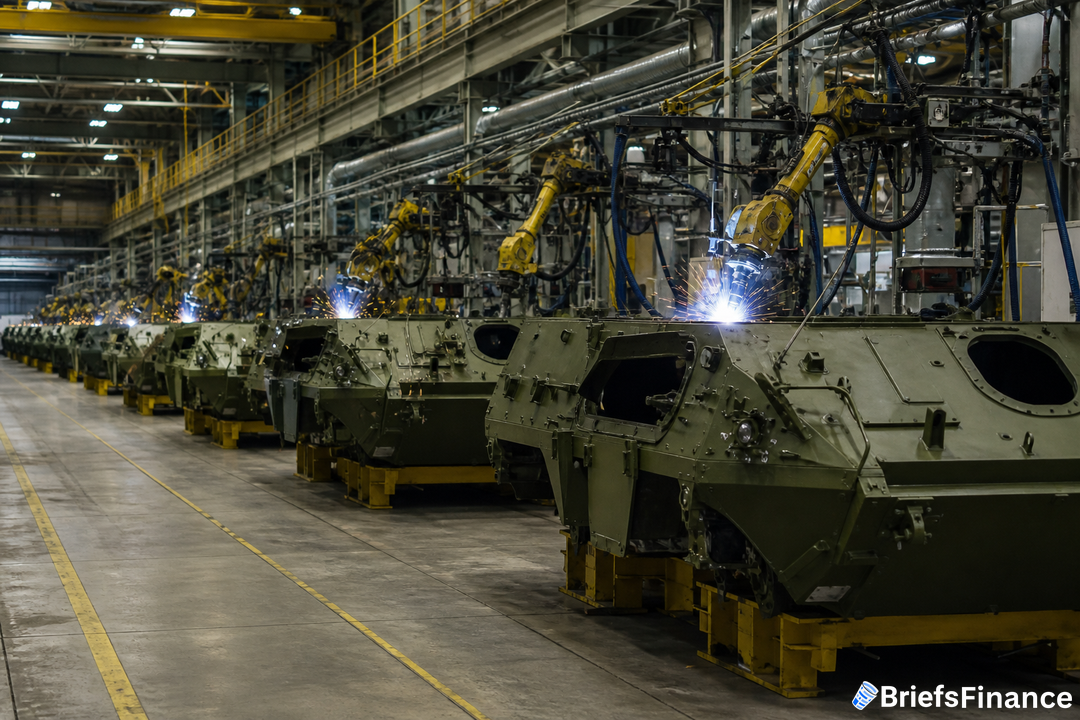
Poland plans to link additional troop deployments to allies' willingness to order equipment from its arms makers.
The pitch is straightforward: help with troops, and in return help grow Poland's defense production base.
Where the line is drawn
Kosiniak-Kamysz stressed the offer covers routine, peacetime postings, not the forces Poland would be required to send if a NATO ally were attacked and the alliance's mutual-defense clause were invoked. Polish units already serve in the Baltic states, Romania and Turkey, reflecting Warsaw's shift from mainly receiving NATO protection to contributing more to others' defense.
Production and spending ramp
Since Russia's 2022 invasion of Ukraine, Poland has launched one of Europe's biggest military buildouts and is now allocating close to 5% of its economy to defense.
"Poland is a very attractive defense market, but Polish industry must already work in wartime mode," Kosiniak-Kamysz said. "We have no time to lose."
When global policy choices affect markets in subtle ways, stay informed with the free Market Briefs newsletter that sums it up
How Warsaw plans to pay
Kosiniak-Kamysz, who is also deputy prime minister, defended borrowing heavily to fund the buildup, arguing that deterrence costs less than war. In his words: "I would rather repay loans than send young Poles to the front."
The bottom line: If your portfolio touches Polish defense names or suppliers, watch for contracts tied to allied deployments and for policies that steer demand toward PGZ and other local producers.
Policy and defense developments can create uncertainty, so sign up for Market Briefs for a clear five minute daily summary