What Kulbergs proposed
Speaking in Brussels on Friday, Latvia's Prime Minister Andris Kulbergs urged the EU to halt Russian grain from moving via Baltic port facilities. The goal, he said, is to push Moscow to reopen trade through the Black Sea. "It's needed that we put the right pressure in order for Russia to understand that they need themselves to open the Black Sea," he said.
The regional backdrop and legal risks
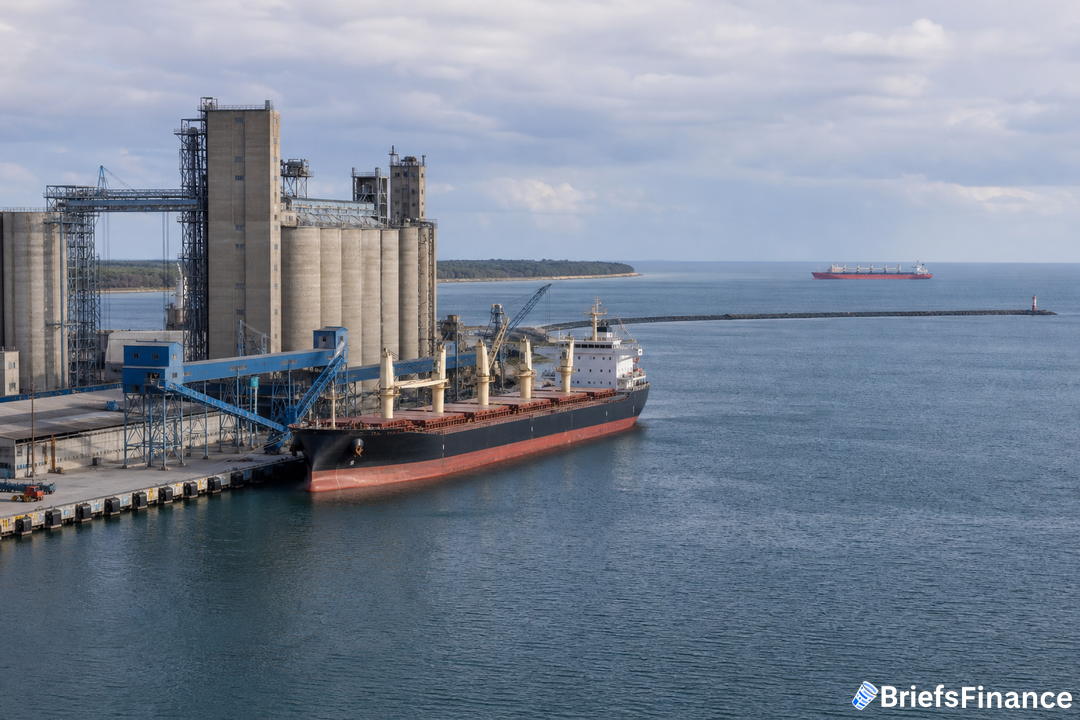
Around the Black Sea, Russia and Ukraine have attacked rival port facilities and related maritime logistics, which has significantly curtailed shipments of major goods, including grain. In turn, Moscow has moved part of its grain by rail to Latvian and Lithuanian ports, a development criticized across the Baltics, all of which belong to the EU and NATO. Kulbergs said unilateral moves by the Baltic states carry litigation risk and aligned himself with Estonia and Lithuania's call for an EU ban.
When trade and policy decisions matter to your portfolio, sign up for the free Market Briefs newsletter for five-minute updates
Why it matters for Ukraine and markets
Kulbergs said Ukraine must have the capacity to market its grain to help cover the financing shortfall it confronts this winter. "It's in all of our interests," he said. "We're now talking about money and support for Ukraine, which they need this winter." For investors, the bottom line is straightforward: routes and rules shape supply, and supply drives pricing across agricultural producers and freight.
Markets respond to policy changes in unexpected ways, so sign up for the free Market Briefs newsletter for a quick daily summary