What the court decided
On Wednesday in Malindi, the coastal Kenyan town, High Court Judge Jane Onyango vacated the injunction that had frozen the project. She found the petitioners had identified the incorrect plot in their filing and allowed them to correct it. With that fix, the case proceeds and more participants can come aboard.
Who is challenging the project
The suit began with 133 petitioners who said their property rights were violated. They also argued the developer had not demonstrated the project would meet Kenya's environmental rules and that the public was not consulted. Their filings cite Kenyan requirements for a mandatory environmental impact assessment and for public participation before major projects move forward.
The site itself is sensitive: Lamu is a Unesco World Heritage location. According to their counsel, George Wakahiu, roughly 700 more Kenyans are seeking to be joined to the petition, he informed the court.
Court rulings can unlock or kill an infrastructure project outright. Market Briefs covers that risk free every morning.
What happens next
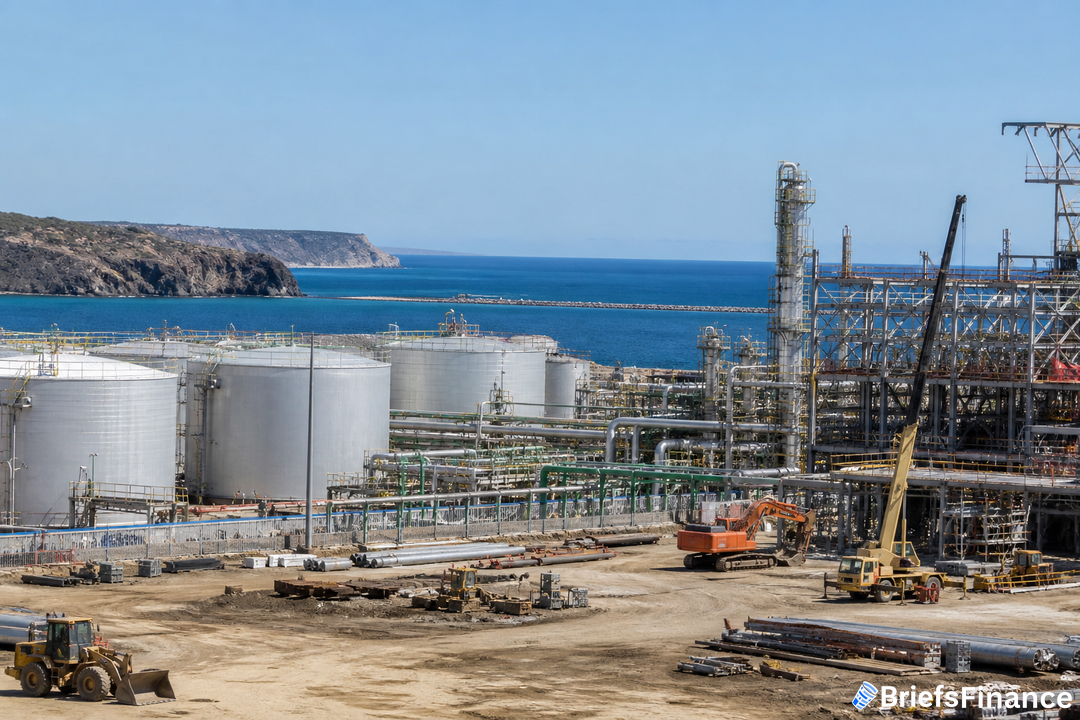
The amended suit is slated for a Nov. 24 hearing. Dangote declared at last month's groundbreaking that the legal battles will not delay construction. He has said the refinery is slated for commissioning in 2030, and he also plans to float the venture's shares on Nairobi's stock exchange. A 30% equity stake is being extended to Eastern Africa nations, and Kenya and Rwanda have said they are ready to invest.
Why it matters for energy and your wallet
This refinery is part of the multibillion-dollar Lamu Port-South Sudan-Ethiopia transport corridor, which includes rail links, oil pipelines, a power station, road networks, and airports. Kenyan Treasury Secretary John Mbadi says a new port with eight berths will be built in Lamu to support the facility, along with pipelines to feed crude from Kenya, Ethiopia and South Sudan. If completed, the project could cut East Africa's dependence on Middle East oil, a priority that has sharpened since the Iran war began disrupting production and supply chains. More local refining can eventually influence pump prices and supply stability where you live, not just in commodity charts.
Refinery capacity reshapes fuel prices across a whole region. Get the free Market Briefs daily newsletter and follow it.