What happened
Prices are heating up again in India. Headline inflation reached 5.54% in September, up from 4.82% a month earlier and a touch above the 5.40% economists penciled in, per a Reuters survey. That makes 11 straight months of acceleration and the highest reading in nearly two years, according to Monday's release from the Ministry of Statistics and Programme Implementation.
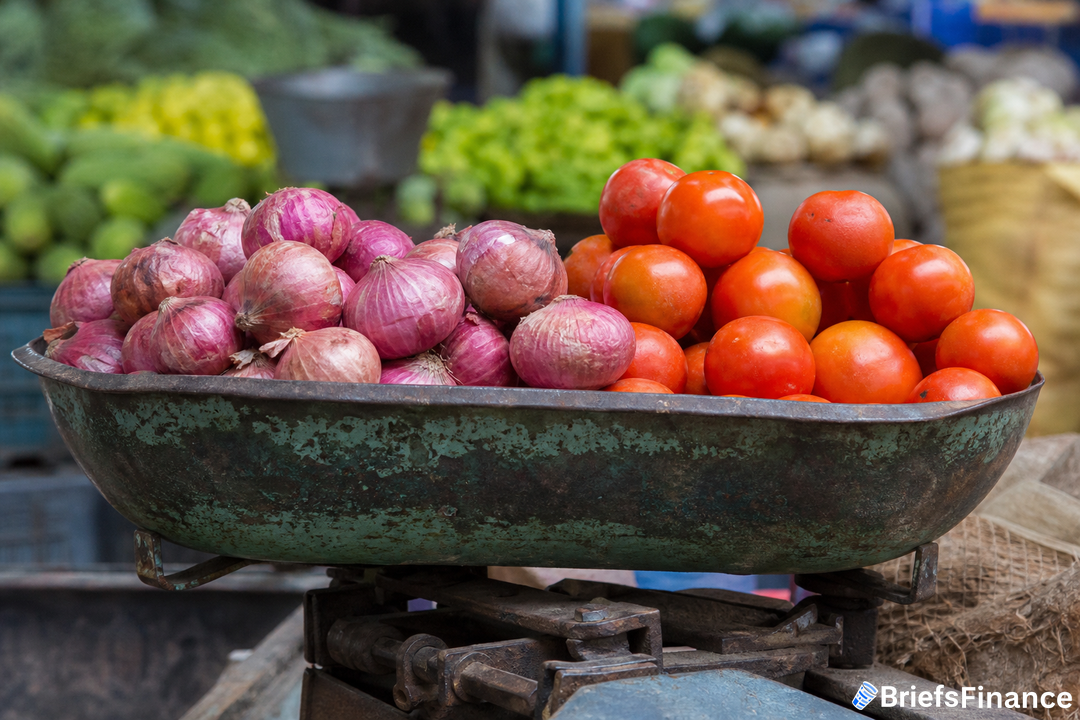
Food inflation moved up to 7.74% in September from 5.97% in August, and the ministry noted quicker increases outside urban areas. Transport-related costs also popped, with inflation in goods transport services up 14.73% and personal transport at 7.46%.
Policy response and central bank stance
Early in the month, borrowing costs were increased by the Reserve Bank of India - its first hike since 2023 - putting it in step with a group of major central banks tightening policy to rein in rising prices. The RBI said that in the "current conditions" rate cuts are "off the table in the near term," and that the next step could be either another hike or a pause.
Looking ahead, the RBI pegs core inflation at 4.4% and headline at 5.2% for the fiscal year that runs through March 2027, both above its 4% medium-term goal. It also bumped its growth outlook by 40 basis points to 7.1%, while flagging risks from prolonged geopolitical strains, trade tensions, tighter financial conditions, and high global commodity prices.
Inflation at a long high constrains what a central bank can do. Market Briefs covers that pressure free every morning.
External and weather risks behind the numbers
India is exposed to supply disruptions linked to the Iran war, given it imports almost 85% of its fuel and, before the conflict, relied substantially on energy flows via the Strait of Hormuz. Crude prices are already elevated amid Middle East tensions, and experts anticipate near-term fluctuations due to concerns about the conflict and effects linked to Hurricane Isaias.
Weather is another stress point. The June to September monsoon delivered the country's weakest rainfall in more than 10 years, a crucial window for rain-fed farms and reservoirs. According to the India Meteorological Department, this monsoon placed fourth from the bottom since 2001 and was the 13th driest since 1901.
Several key agricultural states - Maharashtra, Andhra Pradesh, Punjab, and Haryana among them - are dealing with extreme drought conditions. Food prices and the rural economy also face added risk from a Super El Nino.
The outlook and why it matters for your portfolio
In an Oct. 7 report published a day after the RBI's move, HSBC said it anticipates another rate hike in December. "This may not be a deep tightening cycle, but a tightening cycle it is," the analysts wrote, adding that September retail inflation was likely to show a "sizeable headline pop."
For everyday investors, hotter inflation and a vigilant RBI can ripple through borrowing costs, bond yields, and sectors tied to energy and food. Keep an eye on the inflation path and the central bank's tone, since it has left the door open to either another hike or a pause.
Food and fuel do most of the work in prints like this. Get the free Market Briefs daily newsletter and follow it.