What happened and how the deal came together
On a Wednesday night in late September, nerves spiked when New World pushed back its earnings release and executives no-showed a planned briefing. Behind the scenes, the company was racing to lock in a rescue package that was confirmed later that evening, people with knowledge of the talks said.
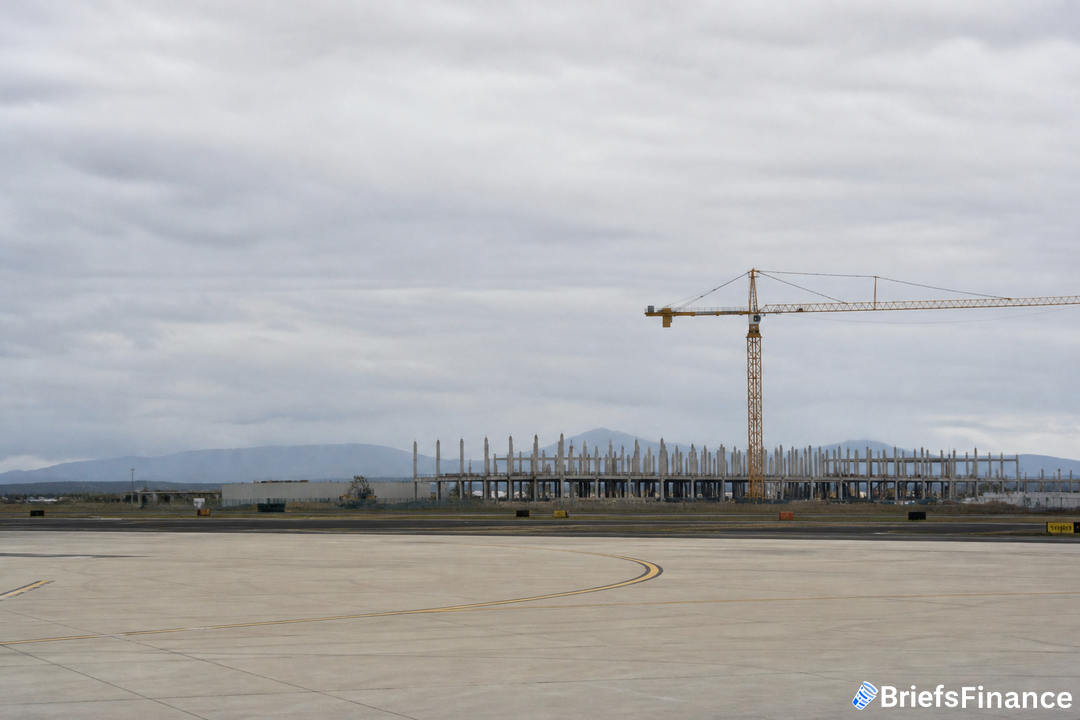
Under the pact, the Airport Authority will waive billions in rent New World had committed to pay for 11 Skies, the sprawling retail and office complex by the airport. In exchange, the Authority will take full control of the HK$18 billion project. Its prior statement said the development "paves the way for further development of the airport area."
There is a key string attached: the founding Cheng family must continue as New World's largest shareholder. The Authority declined to go beyond its earlier statement, and representatives for New World and the Cheng family did not respond to inquiries.
The financial mechanics and immediate impact
The deal relieves near-term strain as the developer stares down nearly $11 billion of maturities as early as next year. New World will also contribute HK$3 billion, combining cash with services, to the Airport Authority.
The agreement grants the Authority a three-year option to acquire 750 million New World shares from Chow Tai Fook Enterprises Ltd. for HK$2.25 billion, representing roughly 30% of the company. That price implies about a 43% discount to the company's current share price. Because the option hinges on Chow Tai Fook staying on top of the share register, the Chengs would need to inject capital or enlarge New World's equity base before the option can be used. The arrangement effectively gives the family until late 2029 to reshape the balance sheet.
UBS Group AG analysts led by Mark Leung called the 11 Skies exit "a great leap toward equity raising" and suggested it may tacitly point to an equity deal within three years. Investors are betting this jolts long-running co-investor talks that have stretched for more than a year, as the family has been reluctant to relinquish control.
Rescuing a stalled development reshapes an entire district's prospects. Market Briefs covers property free every weekday.
Wider context, past attempts, and remaining pressure
The move illustrates Hong Kong's determination to stabilize a flagship builder, coming after a year in which New World, in its latest fiscal period, reported a $3.6 billion loss that set a new record. "The deal highlights New World's economic and policy relevance to Hong Kong, particularly as the government pushes ahead" with a major plan to build out the city's northern area that needs developer support, according to Gary Ng, senior economist at Natixis. "Further financial pressure on New World could increase restructuring or default risks."
Talks with potential partners have been stop and go. Most recently, the Chengs explored an investment with Bain Capital, according to people familiar, though macro uncertainty has made both sides more cautious. Bain didn't respond to a request for comment. Separate discussions with Blackstone Inc. on a $4 billion partnership collapsed earlier this year when the Cheng family refused to surrender control, people familiar said in May.
New World's trajectory has long intersected with government priorities. During the property slump of the 1980s, the company pressed on with marquee investments, including the Convention and Exhibition Centre, to help restore confidence. Regulators have kept a close watch too: when New World moved to refinance a record debt load last year, officials at the Hong Kong Monetary Authority contacted banks directly, and a rollover was secured just days before the cutoff.
The macro picture has turned tougher. China's effort to recoup tax on wealthy citizens' offshore assets, together with higher interest rates in Hong Kong, threatens a fragile property rebound that had been one of New World's few tailwinds.
What this means for New World, the Chengs, and your portfolio
Label it a pseudo-bailout if you like, but the takeaway is clear: Hong Kong will not casually let a flagship developer sink. The package gives the Chengs time to regroup while they lean on other measures, including debt exchanges and extending maturities. New World has launched an exchange offer of about $991 million for notes due in 2027 and 2028, and this comes after a prior 3.24 billion yuan asset spin-off in Shanghai.
"The Cheng family has been working assiduously to repair New World's finances, but has yet to put any of its additional private capital at risk," said Brock Silvers, managing director at Kaiyuan Capital. "That may soon change." For everyday investors, the signal is that near-term default risk has eased and a window is open for equity moves through late 2029, but the big unknowns remain who supplies fresh capital and at what cost.
Who steps in as backstop tells you what the asset is really worth. Join Market Briefs free and follow it.