What's in the bill
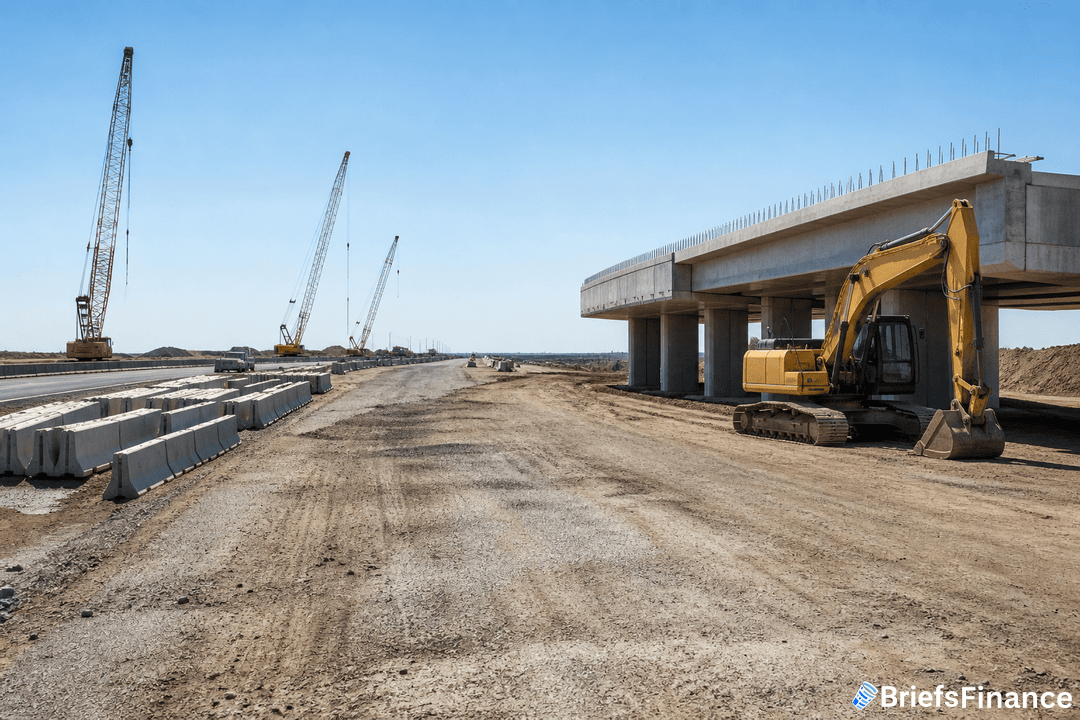
Ottawa is advancing a sweeping overhaul to spur investment and support growth, with the Canadian economy feeling the effects of the trade war begun by US President Donald Trump. The Build Canada Strong Act targets a one-year finish line for federal decisions on infrastructure and promises simpler, more predictable steps for project sponsors and Indigenous participants in consultations.
The plan would let the government identify strategic trade corridors and assign teams to untangle choke points. A new transportation project office would work to move selected projects to construction within a year. The bill also updates port governance to trim red tape, enable more digital processes, and allow joint ventures with private capital.
Labor rules: timelines, mediation and Section 107
For sectors regulated by Ottawa, the proposal lays out timelines for collective bargaining and permits the appointment of a special mediator when talks are deeply stuck, with the goal of heading off major shutdowns. It also clarifies when the government can order binding arbitration to resolve a work stoppage. Before reaching for Section 107, officials would need to look at the special mediator's report and judge whether the disruption would have a far-reaching impact on the wider economy.
Canada has dealt with a run of disruptive strikes and lockouts at railways, ports and airlines, including at Air Canada and WestJet, that have slowed the movement of goods and people. Businesses have urged earlier intervention to prevent cascading supply chain problems. Ottawa has already invoked Section 107 to require arbitration and return employees to their jobs, and unions have filed multiple court cases claiming the measure infringes their constitutional right to strike.
Big projects change communities, and protecting your savings starts with steady planning. Join Briefs Finance CEO Jaspreet Singh on September 29th for a FREE live investor workshop, How to Profit From A Dollar That's Losing its Value, where he shows how we're spotting investment opportunities as the dollar falls. Save your spot.
Politics, pushback and the bigger investment play
Unions, environmental advocates and Indigenous groups are expected to push back, saying the bill leans too far toward business interests. Parliament must still vote, but with Carney's Liberals holding control of the lower chamber, the bill is very likely to pass. The government has been trying to speed construction already, notably with the Major Projects Office that helps chosen proposals line up financing and navigate regulations.
Last week, Carney expanded immediate expensing to encompass additional capital outlays - including pipelines for oil and gas, equipment used for oil production, mining property, and other assets. He announced the move at the inaugural Canada Investment Summit in Toronto, which attracted a roster of top global asset managers as part of a bid to bring in more foreign capital. Even with those steps, this legislation is his most sweeping bid yet to overhaul Canada's regulatory framework and labor laws.
What it means for your money
If your portfolio touches infrastructure, shipping, airlines or anything that depends on smooth logistics, faster approvals and clearer rules for labor showdowns could influence when projects start and how reliably they operate. Corridor designations, a transportation project office aiming to move builds to construction within a year, and a defined path for arbitration are all meant to reduce the kind of uncertainty that snarls ports, rails and airlines. Layer on richer upfront write offs for assets like pipelines and mining gear, and companies may be more willing to greenlight projects sooner.
When decisions shape long term opportunities, keeping a clear investment strategy helps growth. Our CEO Jaspreet Singh is hosting a FREE live investor workshop, How to Profit From A Dollar That's Losing its Value, on September 29th. Sign up free to join him live.