Deal Details
Patria Investments and its minority partner Ashmore Colombia have agreed to sell Isagen SA the Puerta de Oro solar asset, a major Colombian power producer within a Brookfield-led investor group. The agreement, finalized last week, is for cash and the price was not disclosed. Pablo Cano, who leads infrastructure for Patria in Colombia, said the transaction still needs several signoffs from third parties, including Colombia's antitrust authority, and that Patria aims to wrap up the sale before year end.
The deal covers all of Puerta de Oro's equity, with Patria selling its 75% stake and Ashmore its remaining 25%.
Project, Capacity and Financing
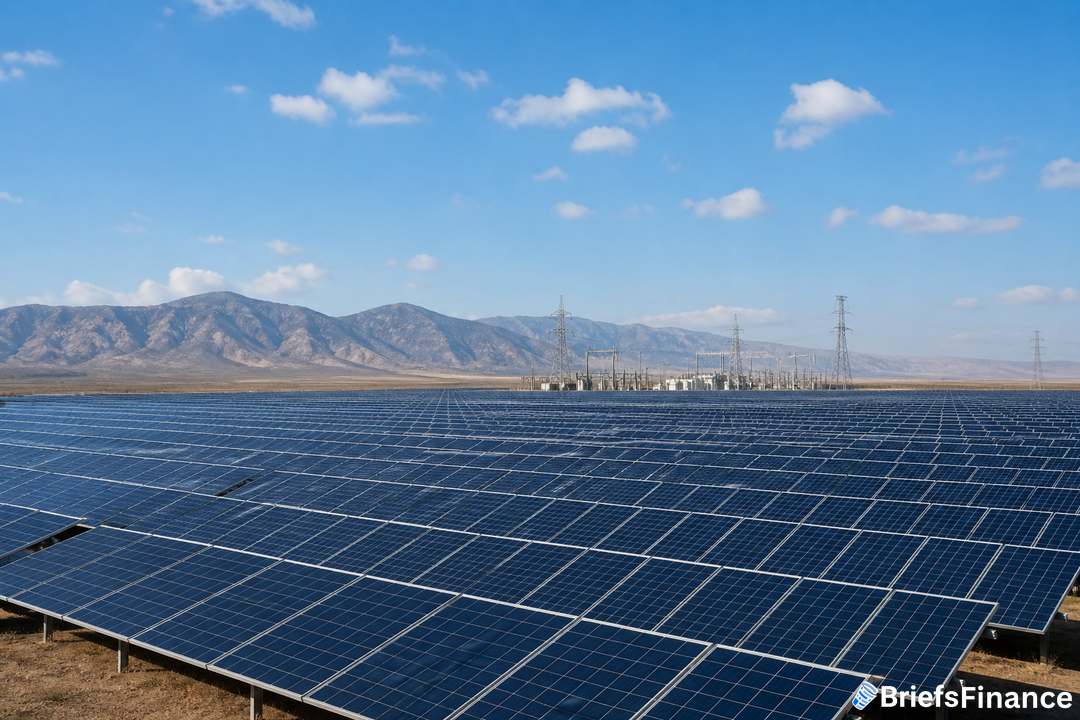
Puerta de Oro went live commercially in July. Located about 110 kilometers (68 miles) from Bogota, the facility's installed capacity is 360 megawatts, with over 511,000 panels, delivering electricity to upwards of 390,000 homes.
A loan package totaling 1 trillion pesos, or $326 million, was provided by a syndicate comprising Banco de Bogota, Banco de Occidente, Bancolombia and Financiera de Desarrollo Nacional. That borrowing stays with the project after the change in ownership.
Why Isagen Bought It And What Sellers Say
Cano called Isagen a natural buyer because it knows Colombia's power market and runs a large hydro portfolio that pairs well with solar, especially when El Niño limits hydropower output during dry spells. "We believe in Colombia's regulatory framework and we want to keep growing," he said in Bogota.
According to Isagen President Camilo Marulanda, the purchase underscores how confident the company is about Colombia and about opportunities supported by the national government, and he added that the country has substantial room to expand its energy system over an extended horizon. Ashmore Colombia CEO Juan Pablo Fonseca said Puerta de Oro bolstered the firm's record in utility-scale renewables and that Ashmore plans to keep investing in Colombian infrastructure.
Renewable energy deals remind investors that steady diversification helps protect and grow savings. Join Briefs Finance CEO Jaspreet Singh on September 29th for a FREE live investor workshop, How to Profit From A Dollar That's Losing its Value, where he shows how we're spotting investment opportunities as the dollar falls. Save your spot.
Patria's Strategy And The Policy Backdrop
Patria framed the divestment as part of its playbook of building and stabilizing infrastructure assets, then selling once they reach steady operations. The timing also reflects the growing role of solar during El Niño, when drought can cut hydro output. In Colombia, the firm oversees or invests in assets exceeding $7 billion and intends to lift its private equity exposure to roughly $1.4 billion within three to five years.
Patria still sees Colombia as a core market for infrastructure. Cano said the firm aims to expand with roads and other assets via acquisitions and new development and views the new government as having a chance to revive projects that sat on the shelf in prior administrations. Since taking office in August, President Abelardo de la Espriella has reoriented energy policy away from a strict renewables emphasis toward energy security and boosting domestic oil and gas, and his administration launched a plan this month to bolster electricity supplies in case El Niño brings drought.
Even with policy changes, Cano said the outlook for renewables remains resilient. Colombia needs substantial new generation, and solar can be deployed faster than many other large-scale options, making it vital for both reliability and decarbonization. Beyond this deal, Patria's infrastructure portfolio spans an electric mobility platform operating throughout Latin America, highway concessions in Brazil and Colombia, a desalination venture in Chile, a data center in Brazil, and another Colombian solar asset, Puertos de Santander. Cano said transmission constraints and oversupply mean Patria has no plans to invest in Brazilian renewables today, and he noted that Chile faces comparable hurdles, making it a tough environment as well.
What This Means For Your Portfolio
A big takeaway here is who owns what and why. An operating solar plant is moving from developers to a generator that already balances hydro and solar, and the project's debt stays attached to the asset. For anyone tracking where real-world energy builds are happening, this points to ongoing private capital flows into Colombia and a policy climate focused on keeping the lights on while adding capacity.
A long term focus and sensible planning keep your money resilient through change. Our CEO Jaspreet Singh is hosting a FREE live investor workshop, How to Profit From A Dollar That's Losing its Value, on September 29th. Sign up free to join him live.