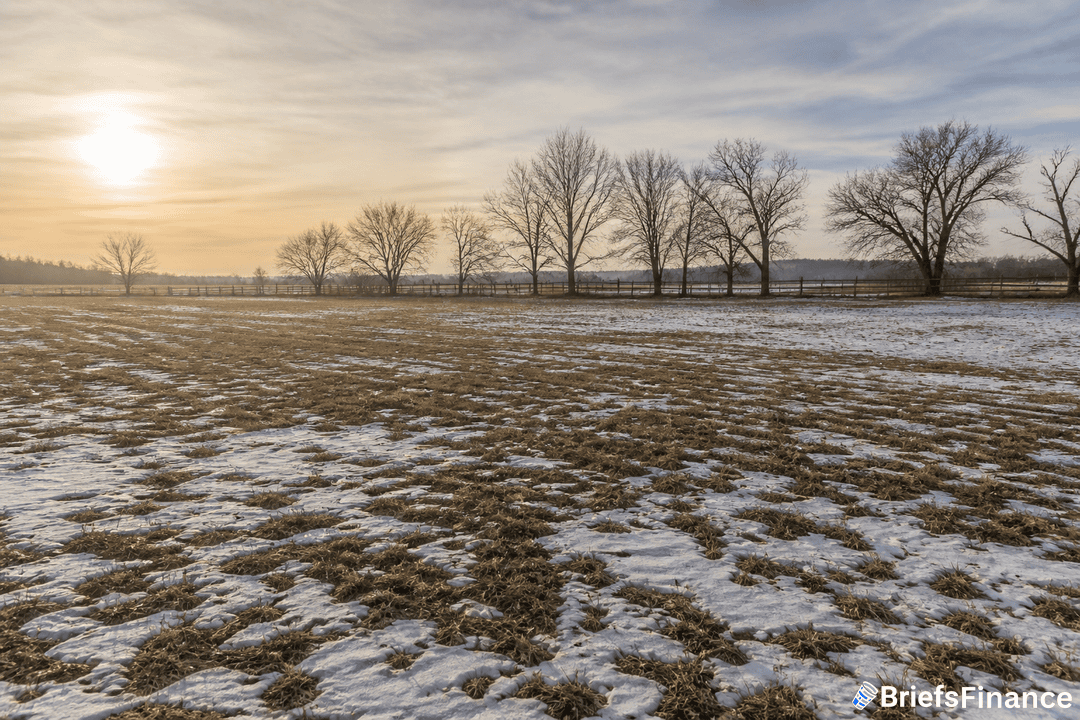
Traders moved early in the US market
Weather risk pros are leaning into the idea that El Niño will lift temperatures, and the most obvious action is in the US, where the signal looks strongest. Brokers and deal originators say positions for the heating season went on unusually fast this year, with bets showing up in May before El Niño was officially on the board in June. Tim Boyce, who heads the EMEA weather derivatives desk at TP ICAP Group Plc in London, noted that winter positions on the Chicago Mercantile Exchange appeared about three months earlier than they normally do.
He attributed that pace - the earliest he's ever witnessed - to widespread conviction that a robust El Niño will bring a gentler US winter during peak heating. "You've had that self-fulfilling prophecy where you've had a raft of hedging come on, coupled with a little bit of speculative plays," he said.
Who is trading and how regions differ
This niche market lets energy firms, hedge funds, and proprietary trading shops take positions or buy protection around temperature outcomes months in advance. Europe is harder to read. El Niño's influence is weaker there, and with gas markets on edge, even a brief cold spell can bite.
That push-pull is steering utilities and trading desks toward more adaptable cover. Requests for custom weather hedges that allow tweaks as conditions evolve have surged to more than triple this year, according to Munich Re's Theresa Kammel and Pierre Buisson. Japan, by contrast, has seen relatively limited weather trading this year, broadly in line with recent years, though some traders expect winter temperature hedging to become clearer by November.
Weather shifts remind investors that steady stewardship helps protect and grow hard earned savings. Join Briefs Finance CEO Jaspreet Singh on September 29th for a FREE live investor workshop, How to Profit From A Dollar That's Losing its Value, where he shows how we're spotting investment opportunities as the dollar falls. Save your spot.
Pricing, uncertainty and what insurers are watching
Nicholas Ernst, managing director for climate derivatives at BGC Financial, says recent pricing has leaned toward a warm-winter outcome. Munich Re notes its over-the-counter pricing still largely follows historical distributions, yet the chance of a record-setting El Niño is notable enough that Europe is watching closely. The reinsurer tallied $112 billion in first-half losses from natural disasters, a figure that doesn't reflect El Niño's impact, and described El Niño combined with climate change as a "dangerous mix." The specter of an unusually strong event is prompting top traders in volatile markets such as Brazil to deepen weather expertise to capitalize on swings. The biggest open question, Ernst says, is how to hedge an El Niño this strong when there's no clean historical roadmap: "Because we haven't seen this strong of an El Niño in modern, observable times, will it behave as we assume?"
What this means for your money
A high chance of record heat is shaping winter strategies right now, especially in the US, and customized hedges are already seeing a surge in demand. Europe's caution and Japan's slower pace underline the same theme: when the playbook is thin, traders prefer flexibility. If your world is sensitive to energy prices or extreme weather, this is the backdrop you're operating in.
Staying calm through surprises lets you focus on long term growth and preservation. Our CEO Jaspreet Singh is hosting a FREE live investor workshop, How to Profit From A Dollar That's Losing its Value, on September 29th. Sign up free to join him live.