What happened
Trying to tamp down blowback from the Saudi pipeline shutdown, Iraq's prime minister, Ali Al-Zaidi, said the attacks were launched from within Maysan province and, early Saturday, dismissed the province's operations commander. He also ordered an investigation into the incident, according to his statement.
The regional security picture
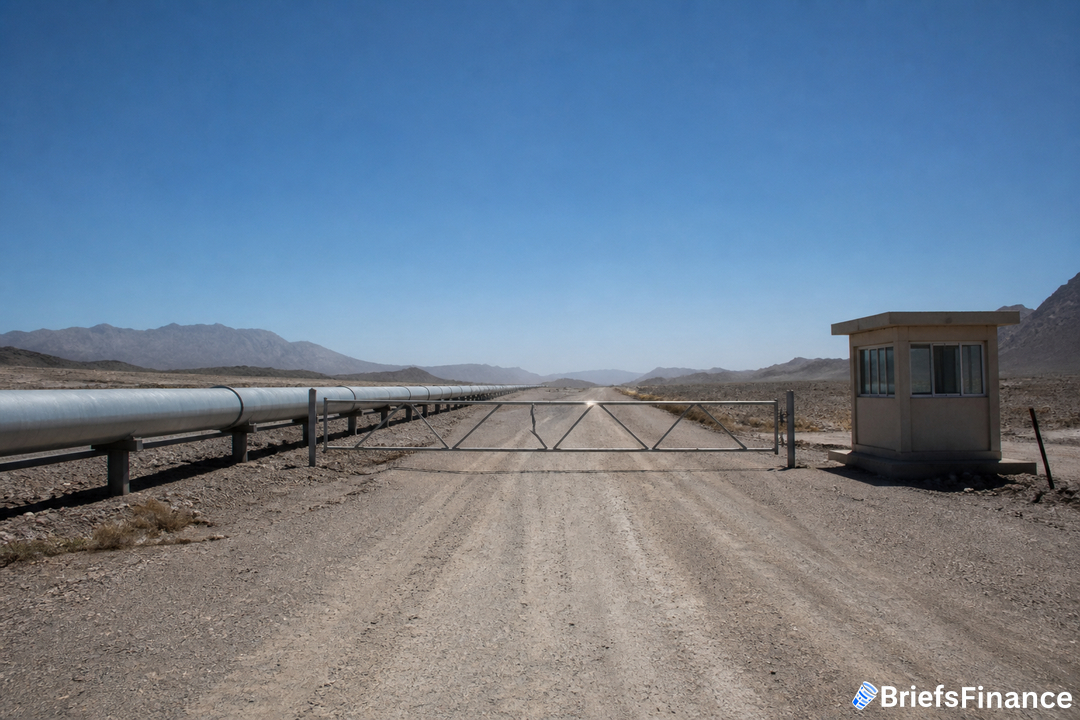
Saudi Arabia's foreign ministry said it temporarily closed the East-West corridor on Friday after several drones struck sections of the line in the Riyadh and Madinah regions. Since the drone attacks, Iraq also ordered the Shalamcheh crossing on the Iranian border closed as a precaution, Reuters reported, citing unnamed security sources.
The pipeline and wider risks
The East-West line, a conduit with capacity of about 7 million barrels a day, has become a key outlet for Saudi crude, especially amid disruptions tied to the Iran war. It was running flat out earlier this year after shipping through the Strait of Hormuz nearly ground to a halt. Meanwhile, Iran-backed Houthi forces have been gaining ground along Yemen's Red Sea shoreline toward the Bab al-Mandeb Strait and have kept up missile and drone strikes on Saudi Arabia, prompting shutdowns at multiple energy facilities. If they tighten control around that chokepoint, it could make global oil flows more fragile and put more strain on already elevated prices, while undercutting Saudi Arabia's efforts to shield its economy from the conflict.
Why investors should care
Baghdad has struggled to curb local Iran-backed militias, and its territory has become a staging ground for Tehran's reprisals across the Gulf. That keeps the region's energy network on edge. After Saudi's statement, Brent hovered around $105 a barrel.
Unexpected headlines remind us to keep a steady plan for our savings. Join Briefs Finance CEO Jaspreet Singh on September 29th for a FREE live investor workshop, How to Profit From A Dollar That's Losing its Value, where he shows how we're spotting investment opportunities as the dollar falls. Save your spot.
On Thursday it had jumped, nearly touching $110, on worries about supply. For everyday portfolios, the bigger takeaway is simple: more geopolitical friction near key shipping lanes can keep fuel prices volatile, which filters into everything from grocery runs to heating bills.
A thoughtful approach helps your money endure uncertainty and grow over time. Our CEO Jaspreet Singh is hosting a FREE live investor workshop, How to Profit From A Dollar That's Losing its Value, on September 29th. Sign up free to join him live.