What the order does
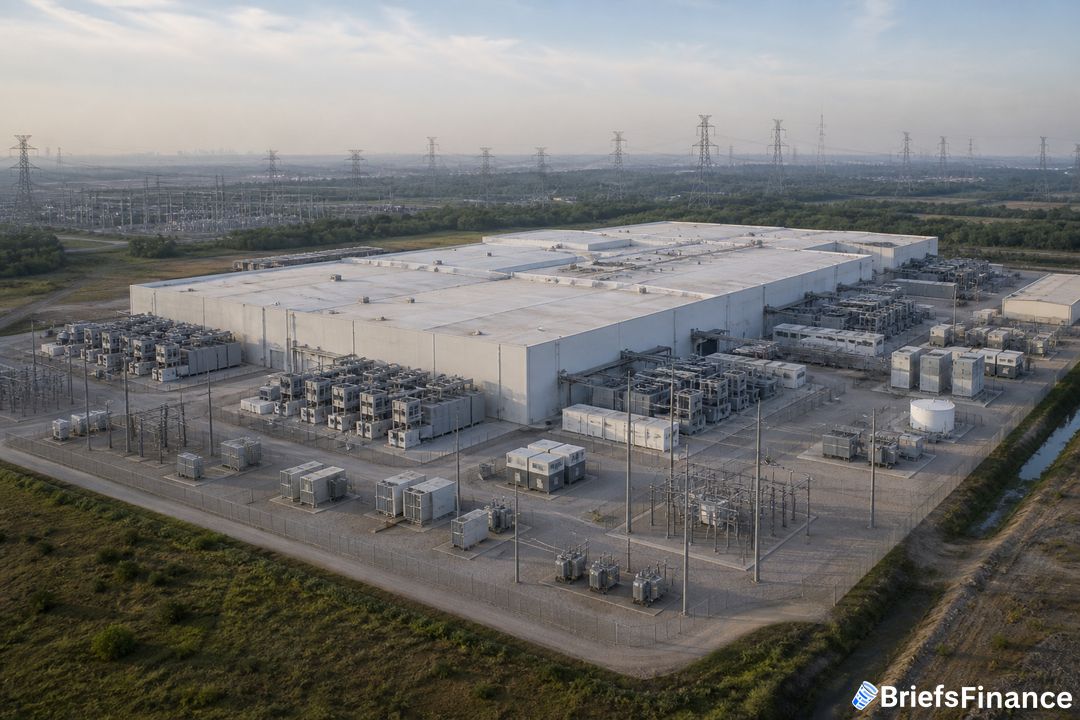
Massachusetts is turning the screws on energy-hungry server farms. Healey's order says big data center proposals need local buy-in via community benefits agreements before the state will sign off. It also outlaws nondisclosure deals between state agencies and these facilities. And on the money front, developers must arrange and finance their own clean energy and related infrastructure, or else chip into a "ratepayer protection fund" designed to blunt any jump in household power bills.
Developers also have to show their plans will not deplete local water supplies or introduce environmental risks. Healey pointed to long-running worries about rising utility costs as a key reason for acting now. At a news conference she said, "We can't have data centers coming in and taking energy away from the rest of us," adding, "These are our expectations going forward, we're putting communities in the driver's seat here and we're laying out the rules so that there's clarity and certainty moving forward."
The backdrop in Massachusetts
This is not the first time the state has leaned on the sector. Massachusetts previously stopped offering sales tax incentives for data centers. Healey framed the latest order as a guidebook for what comes next, since there are not many large facilities planned in the state today.
Part of a wider national push
Massachusetts is moving in step with states like Pennsylvania, New Jersey and New York, where Democratic officials have reacted to mounting pushback against data centers. In July, New York Gov. Kathy Hochul signed what she called the country's first yearlong pause on new data center construction. Pennsylvania's Gov. Josh Shapiro and New Jersey's Gov. Mikie Sherrill have also issued binding executive orders that, among other things, set expectations around power use and call for more transparency and disclosures.
It is not just blue states weighing in. In Texas, Gov. Greg Abbott has directed the state's Public Utility Commission to conduct audits of every data center that wants to hook up to the power grid. And in Florida, Gov. Ron DeSantis approved a law that backs the right of local communities to turn down data center proposals.
When rules affecting utilities change, steady investing and planning protect your future. Join Briefs Finance CEO Jaspreet Singh on September 29th for a FREE live investor workshop, How to Profit From A Dollar That's Losing its Value, where he shows how we're spotting investment opportunities as the dollar falls. Save your spot.
What it means for your portfolio
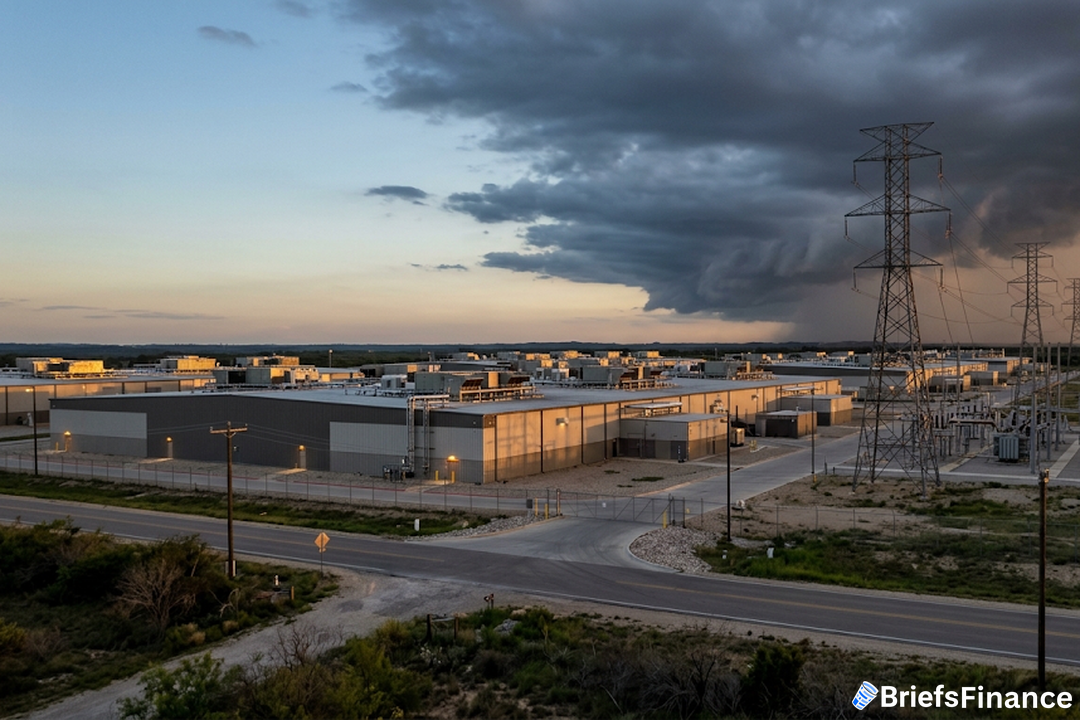
Data centers are critical plumbing for advanced AI, but they need lots of land and even more electricity, which is why communities across the country are pushing back. With more governors now slowing construction or tightening the ground rules for community negotiations, timelines and costs for new facilities could get lumpier. If you own names tied to data center buildouts or regional utilities, keep an eye on permitting calendars and local sentiment, because those may shape when - or whether - projects actually happen.
Keeping a calm, long term approach helps preserve and grow your financial resources. Our CEO Jaspreet Singh is hosting a FREE live investor workshop, How to Profit From A Dollar That's Losing its Value, on September 29th. Sign up free to join him live.