Prices and what's moving them
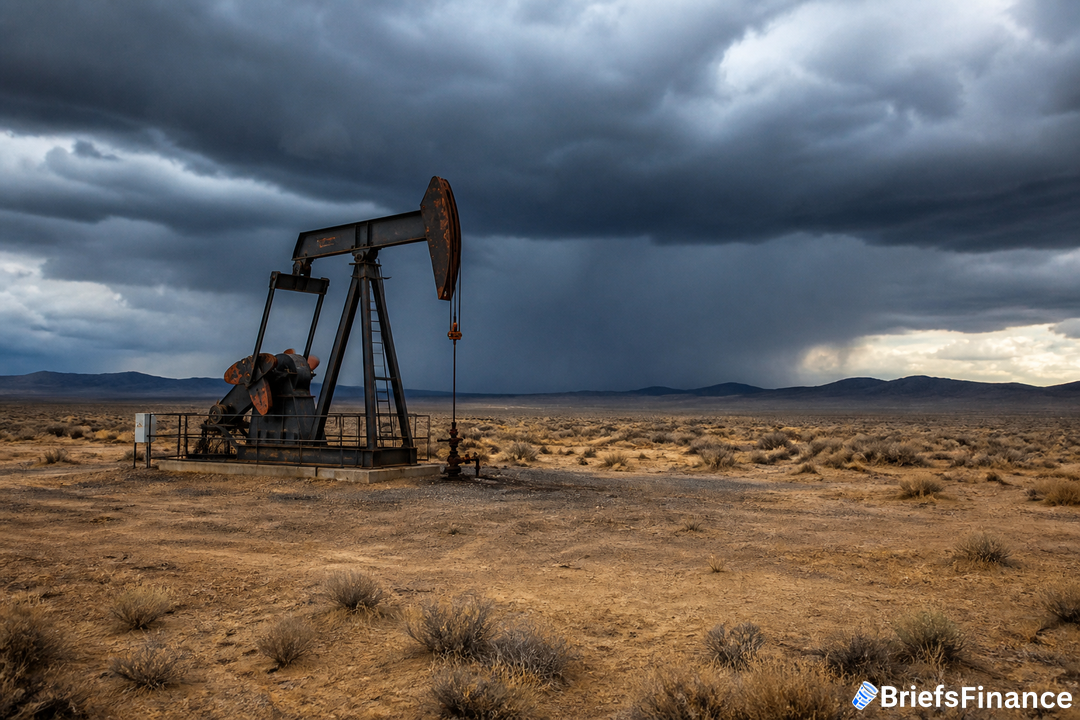
As of 9:06 a.m. in Singapore, Brent November futures held at $101.33 per barrel, while West Texas Intermediate for October delivery rose 0.5% to $96.56. The global benchmark closed in triple digits for the first time since July after a 3.4% surge on Wednesday, and US crude stayed north of $96.
Fears of a lengthier conflict have fueled the rally. So far this year, Brent has risen by almost 70%, even so, it is still shy of April's wartime high of $126 a barrel, a gap preserved by ongoing shipments of crude from the Persian Gulf. Refined fuels have run even hotter than crude, reflecting supply risks tied to both the Iran conflict and the Russia Ukraine war.
A revival in Chinese purchases has also tightened balances, though smaller Chinese refiners face pressure from higher prices and may have to trim processing rates in the coming weeks, which could dent demand in the world's largest oil importer.
Conflict watch: Iran, the US, and the timeline
Hostilities over the past week ended a stretch of relative quiet and lifted both oil and natural gas. Iran said it is prepared for a more intense war, and an Islamic Republic senior official stated the country will not yield to an American naval blockade and would escalate strikes if the US keeps attacking its territory. The official acknowledged mounting economic strain, but said leaders see little alternative to continuing the fight until they judge Washington too wary to strike again.
Trump said the hostilities would not conclude until after the November midterm elections, and he added that motorists shouldn't expect significant gasoline price relief before that time, underlining scant prospects for a quick de-escalation in a conflict now seven months in. According to US officials quoted by the Wall Street Journal, some White House advisers - among them Vice President JD Vance - have privately told Trump the war with Iran could persist for the rest of his term. That kind of timeline could tax US military resources and increase the odds of a longer disruption to Middle East energy supplies.
Geopolitical uncertainty reminds investors to review how their savings are protected. Join Briefs Finance CEO Jaspreet Singh on September 29th for a FREE live investor workshop, How to Profit From A Dollar That's Losing its Value, where he shows how we're spotting investment opportunities as the dollar falls. Save your spot.
Fuel, flows, and the near-term outlook
"Rising oil prices will be a concern ahead of the midterms," Warren Patterson, ING Groep NV's head of commodities strategy, said. He added that a bigger leg higher would likely require the latest escalation to trigger fresh disruptions to flows through Hormuz.
Speaking to Bloomberg, US Energy Secretary Chris Wright said flows through the Strait of Hormuz total slightly below 11 million barrels a day in crude and oil products. He also struck a more optimistic tone than Trump on gasoline, predicting prices should start to ease over the next few weeks as the push to expand US refining capacity accelerates.
On the demand side, US retail gasoline reached a Labor Day record this week. Diesel set a record high as well, and the Energy Information Administration projects US diesel inventories will drop this month to the lowest in more than two decades.
What this could mean for your money
When oil jumps and refined products sprint even faster, it filters through to shipping, manufacturing, and the cost to get to work. Add a war timeline that stretches past the midterms and the risk of Hormuz interruptions, and you get a market that can swing hard on headlines. If you have exposure tied to energy prices, keep an eye on Brent near $101, the pace of Chinese buying, and any new signs of flow snarls through the Strait.
A steady plan helps you protect and grow your money through uncertain times. Our CEO Jaspreet Singh is hosting a FREE live investor workshop, How to Profit From A Dollar That's Losing its Value, on September 29th. Sign up free to join him live.