What happened and why
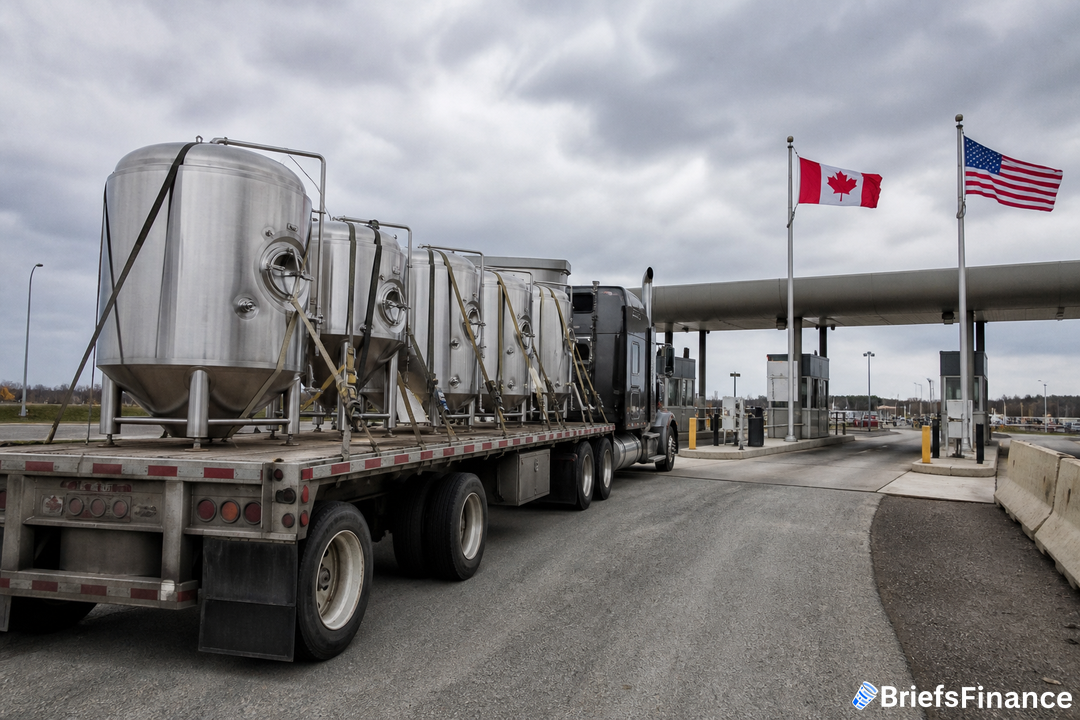
Sapporo is reshaping its North American setup after US President Donald Trump's tariffs hit beer brewed in Canada with a 50% rate. "Tariffs are something out of our control," Chief Strategy Officer Rieko Shofu said. "We're going to move ahead with local production." Its brand leads U.S. sales among Asian beers, and the company sees room to grow. "The US is a huge market, and we have a lot of momentum right now in terms of how much we can expand our share of that market," Shofu said.
The near-term move: shift non-alcoholic beer now made in Canada for US drinkers to US production by the first half of 2027. To support that, Sapporo is weighing whether to acquire or build a West Coast brewery, or line up contract brewing.
Restructuring, targets, and earlier moves
This pivot is part of a broader refresh after years of acquisitions that did not produce strong returns. In 2022, Sapporo offloaded Stone Brewing, and placed Anchor Brewing into liquidation in 2023. On the heels of last year's decision to sell its real estate business, the company is ramping up beer-centric investment.
Through 2030, Sapporo plans to invest between ¥300 billion and ¥400 billion ($1.9 billion-$2.6 billion), including acquisitions, with a goal to increase operating profit to ¥40 billion, up from around ¥24 billion last year. About 30% of that investment is aimed at overseas growth.
Tariffs land on shelf prices long before they land on earnings. Our CEO Jaspreet Singh covers the fallout on September 29th in his free workshop on how to profit from a dollar that is losing its value.
Asia push and home-market reality
Asia is another expansion lane. In July, Sapporo unveiled a partnership with Carlsberg A/S to expand in Southeast Asia, and Shofu said the company is also evaluating potential investments in China and South Korea.
Back home, Sapporo is Japan's No. 4 beermaker and faces a demand drag from a shrinking population. Shofu said there is a "considerable sense of urgency" about the domestic market and left the door open to more extensive supply chain collaboration with competitors in the long run.
What it means for your portfolio
Tariffs may have forced a rethink, but moving production closer to US drinkers can lower friction and keep momentum for a brand already winning shelf space. Pair that with a clearer 2030 capital plan, fresh capacity options out West, and a push into Southeast Asia, and you have a brewer actively choosing where growth comes from. If you track how global brands adapt to policy and demographics, this is one to watch as those investments come online.
Tariffs are one more force pushing your cost of living up. Join our CEO Jaspreet Singh on September 29th for a free workshop on how to profit from a dollar that is losing its value.