A boom that strains the system
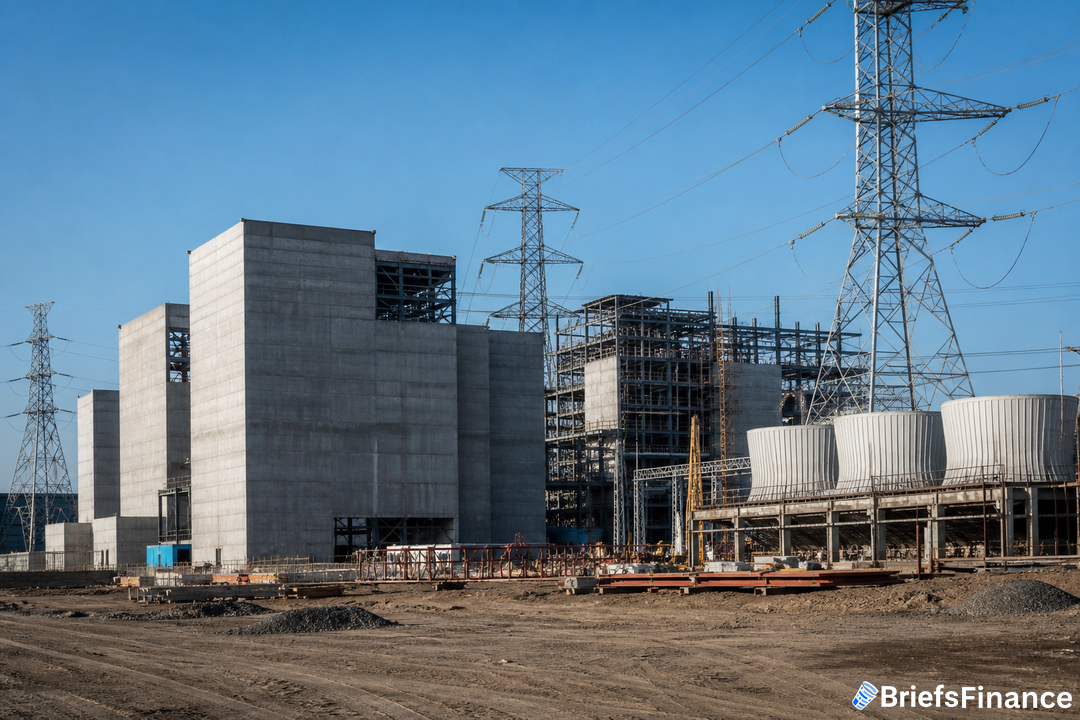
James McIntyre, Bloomberg Economics' Australia economist, says the buildout of large data centers is set to collide with limited construction capacity and could push demand beyond what the economy can supply without price pressure. In a research note, he flagged that major data-center projects are likely to bid away skilled trades from renewable energy, public infrastructure and housing. The upshot: hotter competition for people and materials that risk stoking inflation.
"As with other investment surges in Australia, the boom is crowding out activity elsewhere, particularly in non-residential construction," he wrote. He added that "Investment in electricity generation, including renewables and transmission, data centers and public infrastructure is placing heavy demands on the rest of the economy."
The investment wave, by the numbers
According to McIntyre, the investment upswing may lift capital spending to more than 2% of GDP in 2026-27. That estimate pulls together Australian Bureau of Statistics annual accounts, capex survey insights and Bloomberg Economics' own projection. The signal is clear enough: there is a lot of money ready to be spent, but the real-world capacity to deliver it all at once is tight.
He also sees a longer term upside. Over time, productivity could benefit as technology spreads into heavy industry. "Evolving combinations of drones and remotely operated heavy machinery could displace physical roles in Australia's capital-intensive mining and agricultural sectors," he said.
Understanding what moved a market beats knowing that it moved. Get the free Market Briefs daily newsletter and follow the drivers.
What it means for rates and prices
With inflation and GDP surprising on the upside, the Reserve Bank faces mounting calls to restart rate hikes at its meeting in three weeks' time. The central bank has repeatedly stressed getting the economy back into balance, and lifted rates three times between February and May, putting the cash rate at 4.35%.
Adding to those concerns, CreditorWatch Pty Ltd.'s chief economist, Ivan Colhoun, said the data center expansion is likely to push up materials costs, intensify labor demand and lift wages, "meaning the softening in residential approvals and house prices is not as significant for monetary policy as normal."
For your wallet, the takeaway is simple: big builds can boost productivity later, but in the near term they keep construction humming and workers scarce, which makes prices sticky and delays relief on borrowing costs.