What happened
Bathla Group's insolvency is rippling through a A$144 billion slice of private credit tied to real estate. On Monday, administrator Teneo said it reached a short-term financing agreement with five lenders, keeping the parties anonymous and the amount undisclosed for now. People familiar with talks last week had indicated that several private lenders were weighing a temporary facility of roughly A$4 million, or about $2.9 million.
According to administrator Stephen Longley, the bridge funding will allow only limited operations for an additional two weeks, as the administrators coordinate with the wider lender group to secure a longer runway. Teneo added that final documents are expected to be wrapped up later today.
The scale of the hole and immediate fallout
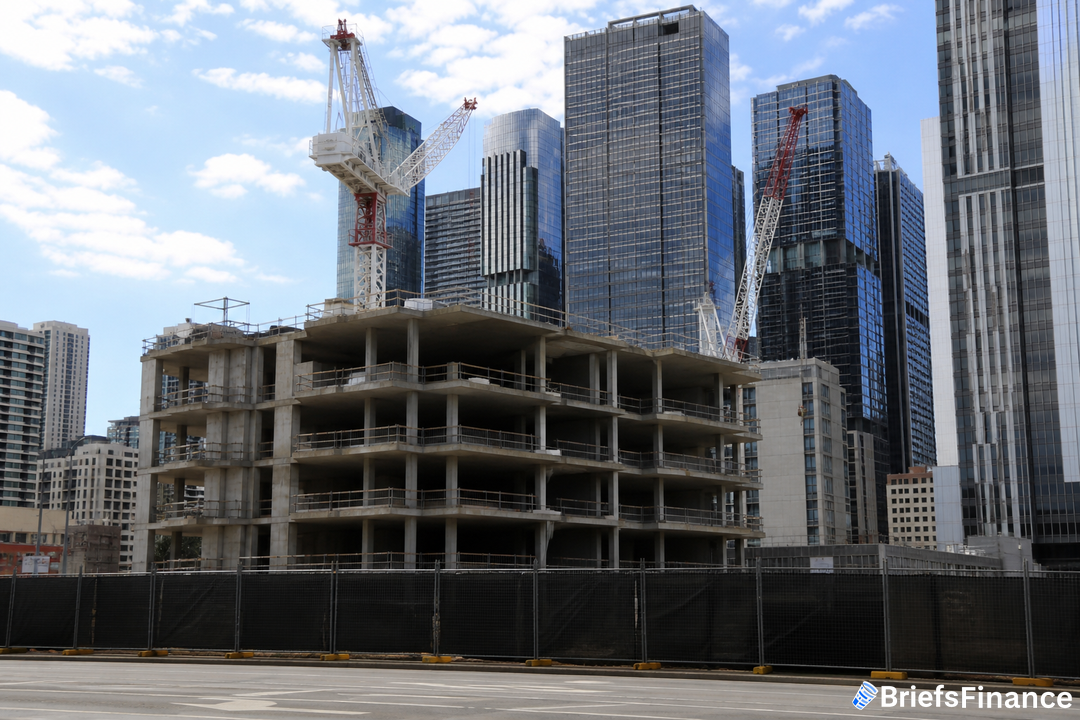
Bathla's funding gap is about $2.3 billion, and construction has been halted on 72 apartments, leaving contractors unpaid. The company owes creditors roughly A$3.4 billion. At a Friday gathering of creditors run by Teneo, slides reviewed by Bloomberg showed unsecured creditors are owed A$130 million, while secured lenders account for A$3.1 billion.
Teneo also said about 213 employees will stop work as administrators chase additional financing as part of a broader rescue plan.
Markets move every day, and most of it never reaches you in time. Get the free Market Briefs daily newsletter and stay ahead of it.
Regulatory and policy implications
Bathla's unraveling underscores the very risks Australia's regulator has been flagging in property-linked private lending. At a parliamentary hearing in Sydney on Friday, Australian Securities and Investments Commission commissioner Simone Constant described Bathla's corporate web as having "extraordinary complexity." She said the watchdog is concerned that ordinary savers could be among the private credit backers of the developer.
Constant added that ASIC is coordinating with Bathla and the administrators to trace where the money has gone, and the regulator is also in contact with Australia's financial intelligence agency, Austrac. Meanwhile, the broader backdrop is getting tougher: the central bank has lifted rates three times since February, and the government is aiming to add 1.2 million homes over five years through June 2029.
Why this matters for your portfolio
Bloomberg Intelligence analysts Patrick Wong and Yan Chi John Wong said the developer's collapse could push the government's housing build target further away. They also warned that a shakier outlook, including the possibility of a fourth rate increase later this year, could keep buyers on the sidelines and drag sales at other large developers. If you have exposure to builders or private credit funds that lend into housing projects, this is the stress test playing out in real time.