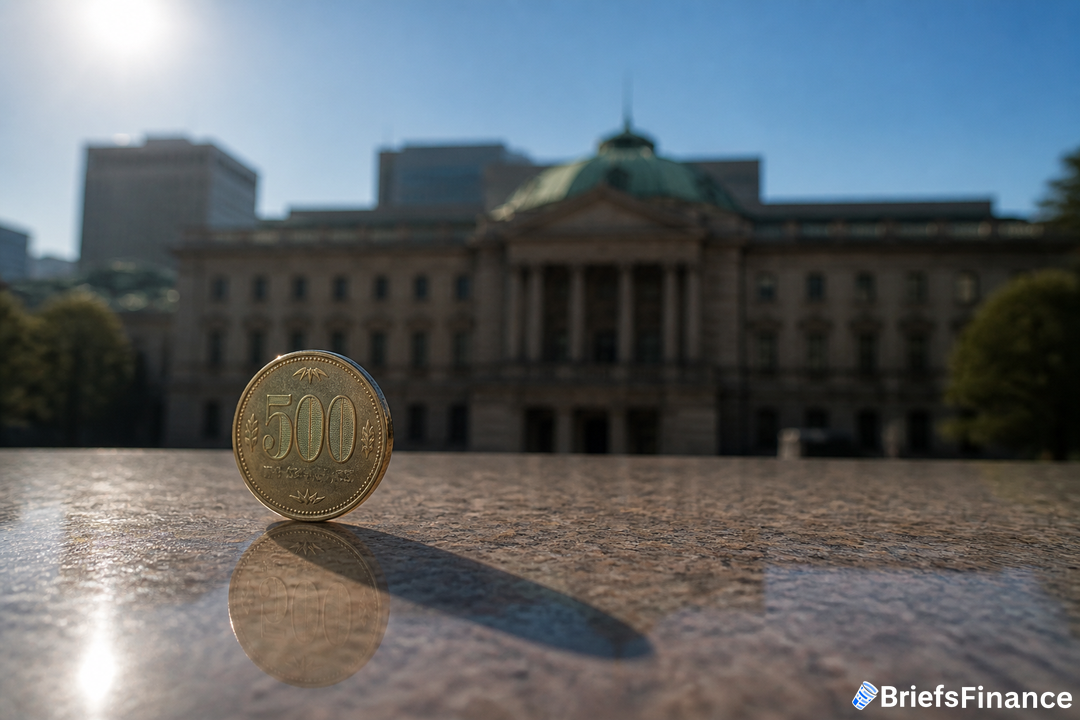
What moved and why it matters
The yen snapped higher Thursday, at one point hitting 156.15 per dollar on LSEG data. That marks the strongest reading since Aug. 3, coming on the heels of the U.S. and Japan's joint support move on July 31. By 6:20 a.m.
ET, it hovered around 156.4 per dollar, and it also picked up against the euro and the British pound. A separate read showed USD/JPY at 155.40, down 3.30 points (−2.0794%) at 8:52 a.m. EDT.
The latest surge comes after a similar roughly 1% pop on Wednesday that reignited talk of official action. Earlier this week, the pair slipped through 160 per dollar, a level widely seen as raising the chance of intervention.
Intervention watch and the U.S. role
Japan's Vice Finance Minister for International Affairs, Atsushi Mimura, said authorities were "neither satisfied nor reassured" by the recent moves and "remain on a state of heightened alert," according to Reuters.
Between July 30 and Aug. 26, authorities in Japan outlaid a record 15.4 trillion yen (about $98 billion) in support of the yen. Washington separately confirmed it took part in a coordinated push in late July, using its foreign-currency holdings to buy yen, without disclosing an amount. In a Reuters image dated July 31, U.S. Treasury Secretary Scott Bessent's notepad reads, "Buy Japanese Yen (JPY) $5-10 bil."
A few minutes a day is enough to stay genuinely informed about your money. Join Market Briefs free and start tomorrow.
Bessent told CNBC on Monday he thought the Japanese government and the Bank of Japan would take actions that would result in a stronger yen, and local media said he privately urged officials to lay out the path of interest rates.
Takuji Okubo, chief economist at Japan Macro Advisors, told CNBC it is possible Thursday's move represented further Japanese intervention.
Policy signals and market takes
Japanese government bond yields eased after a well-received auction of 30-year bonds on Thursday. That followed pressure from a global bond sell-off and concern over Japan's public finances as it completes its 2027 budget.
The BOJ sets policy next on Sept. 18, and markets are increasingly pricing in a hike. BOJ board member Hajime Takata said Wednesday the central bank should raise rates "nimbly" in response to rising inflation, and he suggested moves could be faster or bigger than the recent semiannual pace. On Tuesday, Governor Kazuo Ueda was viewed as leaving open the possibility of higher rates.
Why it matters for your money
Officials in Washington and Tokyo have warned that disorderly yen swings could rattle global markets. A weaker yen for longer could also push Japanese investors to pare back their U.S. Treasury holdings, and they are the largest foreign holders at around $1.1 trillion as of June. With intervention chatter back, a pivotal Sept. 18 BOJ decision on deck, and the memory of that 15.4 trillion yen deployment fresh, expect currency ripples to show up in everything from imported prices to the mood music around U.S. government debt.