What's new
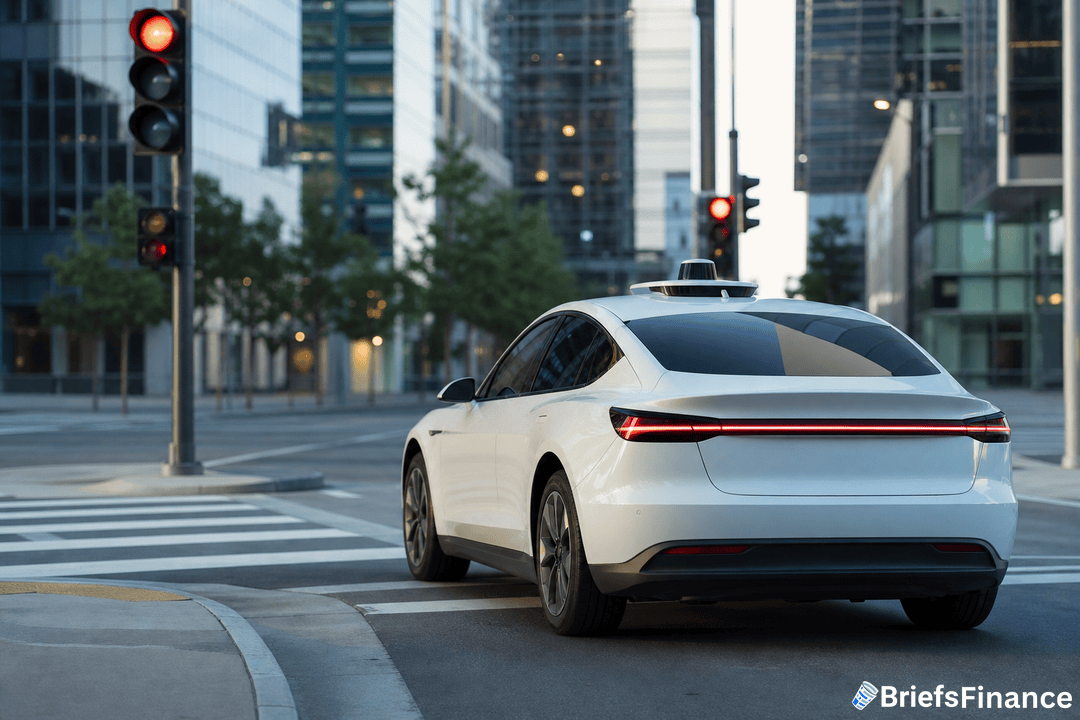
Waymo has switched on driver-free rides for customers in San Diego, Tampa, and Denver, with Denver representing its first commercial footprint in Colorado. Riders will book through the Waymo app. A company spokesperson said each of the three cities will launch with dozens of vehicles and scale to "hundreds over time."
Amazon's Zoox said it will begin on-road trials with human drivers in Houston and San Diego using its toaster-like vehicles. Once those programs are active, Zoox says it will be present in 12 U.S. markets. The company remains earlier stage than Waymo: it currently charges for rides only in Las Vegas, offers a free service to select users in San Francisco, and hasn't committed to a timeline for paid rides there.
The updates arrive just ahead of a planned Thursday event from Tesla, where the company is expected to share more about its driverless Cybercab and Robotaxi service.
Scale and the hardware behind it
Waymo now counts more than 4,000 vehicles operating across 14 U.S. cities. The fleet includes the larger Ojai model, built on a Zeekr minivan-style chassis and assembled in Arizona. These vehicles come with automatic sliding doors, three large in-cabin displays, Waymo's sixth-generation autonomous stack, and an entertainment system that integrates Gemini.
Waymo reports it is delivering over 500,000 U.S. robotaxi rides each week and is targeting more than 1 million per week before 2027. In select markets, customers are able to hail Waymo via Uber.
The money story behind the headlines is usually the part that matters. Join Market Briefs free and get it every morning.
The road ahead and the pushback
Goldman Sachs Research estimates the U.S. robotaxi market will be about $3 billion next year, grow to $19 billion in 2030, and reach $48 billion by 2035. That trajectory comes with scrutiny: labor leaders worry autonomy could cut transportation jobs, and safety advocates are pushing for standardized, public reporting of mileage and crashes.
Autonomous vehicles can still stumble in real-world conditions. Bad weather, power outages, construction zones, or odd traffic patterns can trip them up. There have been instances where AVs contributed to gridlock or had to be physically moved by first responders.
Why it matters for your wallet
More cities turning on robotaxis suggests this tech is inching out of the lab and onto everyday streets. Waymo's expanding service, app access, and big fleet show who is putting rides on the road today, while Zoox's slower, safety-driver rollout underscores how complex full autonomy remains. Layer in Goldman's growth forecast and Tesla's upcoming reveal, and you get a clearer sense of how quickly this could change daily transportation - and where the money might flow next.