Canal Bottlenecks Worsen
Growing congestion at the Panama Canal is disrupting global gas shipments, with delays now stretching to 19 days according to Argus Media data. The backlog stems from two factors: increased traffic diverted from Middle East routes due to the Iran war, and tighter restrictions on vessel numbers and cargo sizes caused by El Niño-related dry conditions.
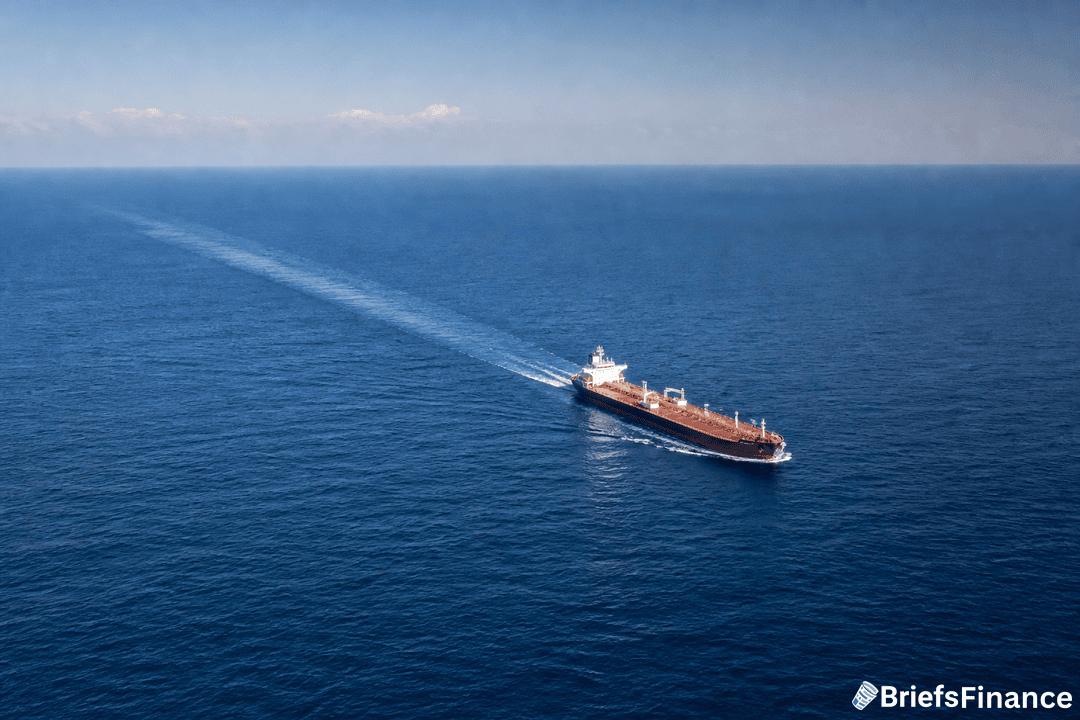
The most severe impacts are falling on Neopanamax-class vessels - the larger ships designed for the canal's expanded locks. These tankers typically carry liquefied petroleum gas (LPG) from the U.S. Gulf Coast to Asia. Smaller Panamax vessels using separate locks face less severe delays, traders report.
Unusual Adaptations Emerge
Shipping companies are employing creative solutions to bypass the bottlenecks. Tracking data shows two supertankers - the Panamax Energia Grandeur and Neopanamax Eneos Wisdom - recently conducted a rare ship-to-ship transfer off Balboa port. This allowed one vessel to shuttle back through the canal while maintaining steady LPG deliveries to Asia.
Rates, prices and policy all end up in your budget eventually. Get the free Market Briefs daily newsletter and see it coming.
The Energia Grandeur had been en route to Japan before reversing course, suggesting its charterer TotalEnergies SE determined canal shuttling was more efficient than completing the month-long Asia voyage. Both TotalEnergies and Eneos Holdings Inc., which has a stake in the Eneos Wisdom's management, declined to comment when contacted by Bloomberg.
For vessels not transferring cargo, some are opting for extreme detours. The Gas Scorpio is currently circumnavigating South America - adding roughly a month to its transit time - rather than waiting for canal access. A similar long-distance rerouting last occurred in 2023 during previous drought-related delays.
Market Impacts Mount
These logistical workarounds highlight mounting pressures on global energy transport networks. "The global LPG market is already stretched thin from Strait of Hormuz tensions, and the Panama Canal is one more disruption it simply couldn't afford," said Julian Renton, lead analyst at East Daley Analytics.
The canal congestion underscores how climate patterns and geopolitical conflicts can compound existing supply chain vulnerabilities. While current shipping surcharges may not immediately reach consumers, prolonged disruptions could eventually pressure energy prices and transportation stocks. Market watchers should monitor whether these unusual rerouting patterns persist beyond the traditional November-April dry season.