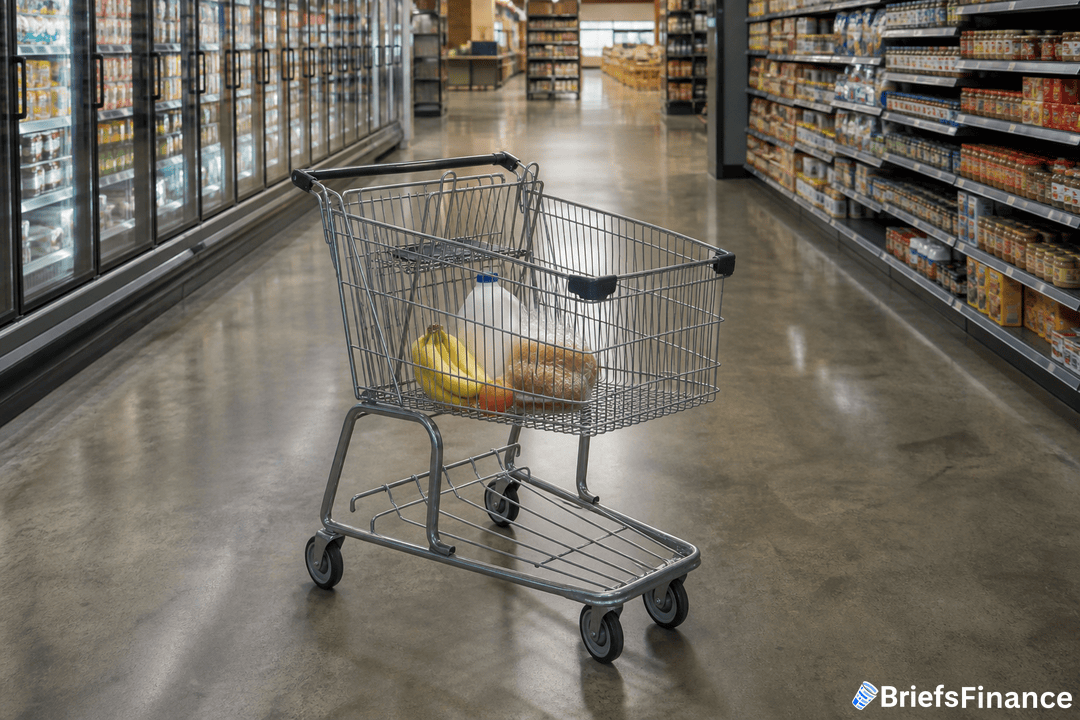
Confidence Takes a Hit
Americans are feeling less optimistic about the economy. The University of Michigan's consumer sentiment index dropped to 51.7 in August, down from July's reading.
While the final number was slightly better than early estimates and beat economists' forecasts, it still marks the first monthly decline since May. People reported feeling worse about both current conditions and where the economy is headed next.
Republicans were particularly gloomy - their confidence level hit the lowest point since November 2024. But concerns stretched across party lines as gas prices stayed high and global tensions simmered.
The Inflation Roller Coaster
Survey respondents offered a mixed outlook on price pressures. Households now anticipate inflation to rise by 4% annually, the smallest projected increase since spring. This suggests some relief may be on the horizon, though costs continue to strain budgets.
Survey director Joanne Hsu cautioned that "inflation will remain elevated for the foreseeable future," reflecting persistent worries about essentials like fuel. Gas averaged over $4 per gallon during the survey period (July 28 to August 24), and most respondents predicted even higher fuel bills ahead.
Understanding what moved a market beats knowing that it moved. Get the free Market Briefs daily newsletter and follow the drivers.
Longer-term expectations held steady at 3.3% annual growth for the next five to ten years - unchanged from prior months.
Economic Pressures Mount
Beyond inflation, broader economic uncertainties are weighing on consumers. The combination of volatile energy markets, ongoing supply chain disruptions, and geopolitical risks has created a challenging environment for household planning. These factors often lead to more conservative spending, particularly on non-essential items.
Historically, sentiment shifts like this can foreshadow weaker retail sales and slower GDP growth. While the labor market remains resilient, stagnant wage growth relative to prices has eroded purchasing power for many families.
What It Means for Your Money
Consumer sentiment acts like a mood ring for the economy. When confidence drops, people tend to pull back on spending, which can slow growth.
Right now, wallets are feeling pinched from multiple angles. Hsu pointed out that beyond everyday costs, "prospects elsewhere in the economy could be weakening." That dual pressure - high prices plus economic jitters - often leads to more cautious spending habits.
For investors, watch where consumers cut back first. Discretionary purchases often take the initial hit when budgets tighten, while essentials like groceries and utilities hold steadier. The next few months could show whether this dip in confidence is a blip or the start of a deeper trend.