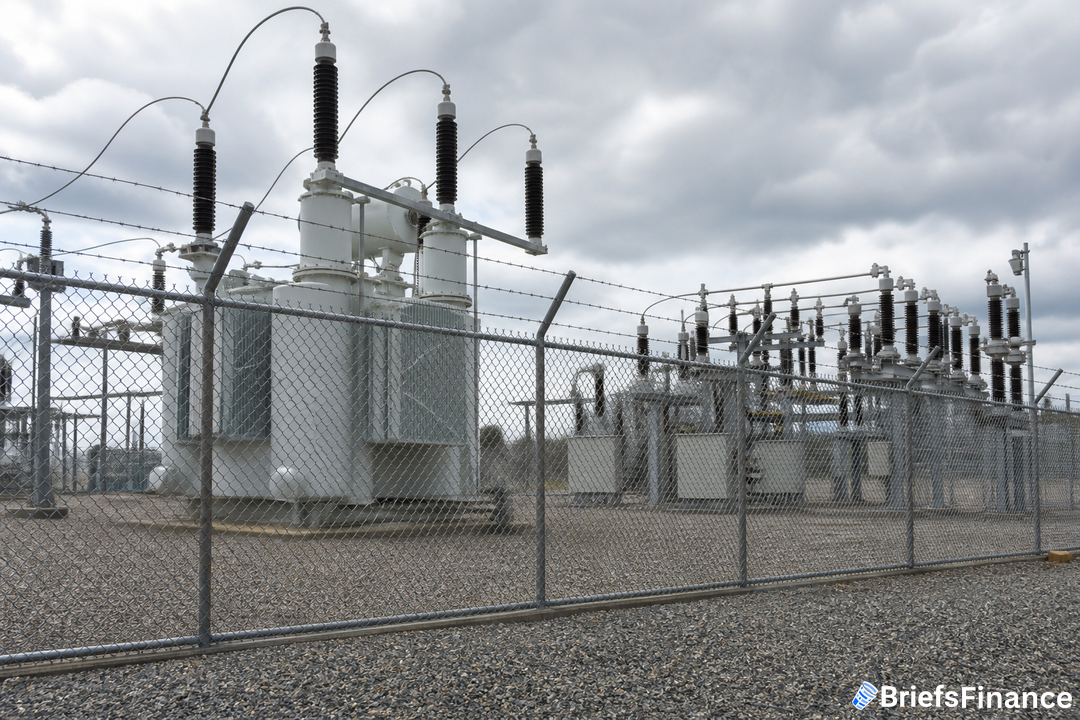
The U.S. power grid is old, stretched, and now officially a national security flashpoint.
President Trump signed an emergency executive order on Wednesday, August 26, 2026, that blocks certain foreign-made transformers and other critical electrical equipment from being installed in American power systems.
What the Order Does
The ban covers bulk-power system equipment - the large infrastructure that moves electricity across long distances - along with related software that might introduce cybersecurity or operational vulnerabilities. It generally prohibits the purchase, import, and installation of such gear.
The order also gives Energy Secretary Chris Wright the power to restrict equipment that is already in place, as long as reliability and safety remain priorities. Local power distribution systems - the smaller networks that deliver electricity to neighborhoods - are not affected. The Department of Energy now has 120 days to draft and enforce the rules.
Trump framed the decision in stark terms, pointing to "certain foreign actors" who are "increasingly creating and exploiting vulnerabilities in the United States bulk-power system." He also noted that the rise of data centers, artificial intelligence, and advanced manufacturing has made the country more dependent on reliable electricity than ever, meaning an attack or supply disruption would cause far greater harm than in the past.
Why This Is Happening Now
Concerns about foreign-made grid components have been building for years, especially around Chinese equipment. A 2020 Commerce Department investigation found that a large number of Chinese power transformers had been imported into the U.S. over the previous decade. The International Energy Agency says China now accounts for about 80% of global battery and solar inverter manufacturing.
Understanding what moved a market beats knowing that it moved. Get the free Market Briefs daily newsletter and follow the drivers.
The security worries are not abstract. Modern grid devices like solar inverters and battery management systems can often be remotely monitored and controlled, making them tempting targets for cyberattacks. In April, the U.S. Cybersecurity and Infrastructure Security Agency warned about potential Iranian-backed attacks on infrastructure.
What It Means for the Market
The market has already started picking winners. Domestic manufacturers like SolarEdge, Enphase, and Tesla look well-positioned to benefit, and Wednesday trading reflected that optimism. SolarEdge shares climbed as much as 13%, while Enphase gained up to 4.4%.
For investors, this is a reminder that energy policy can shift quickly, and companies that make grid equipment on U.S. soil stand to gain when foreign competitors are locked out. But it also carries a warning: supply chains for critical energy gear are more concentrated overseas than many realize, and untangling them will take time.
The next 120 days will be telling. As the Energy Department drafts its rules, watch which products land on the restricted list and how quickly domestic manufacturers can scale up to fill the gap. The grid needs upgrading either way, and this order just made clear that the work will increasingly go to American hands.