Prices Rose, But Not as Fast as Expected
Singapore's cost of living is going up, but the latest numbers came in a touch lighter than the pros predicted. Consumer prices climbed 2.2% in July compared with the same time last year, a slight acceleration from June's 1.9% pace. Economists had penciled in a 2.3% rise, so the city-state is dealing with inflation that is sticky but not as hot as feared.
On a monthly basis, prices actually slipped 0.2%, which suggests the upward pressure is easing at the margins.
What Is Driving Costs Higher
The usual suspects are at play. The ongoing conflict in Iran has kept energy markets on edge, pushing up electricity bills and making it pricier to fill up the tank or take public transit. Those higher energy costs have a way of bleeding into everything else, and Singapore is feeling that pinch.
With prices still creeping up, grab the free Always Be Buying E-Book to build wealth steadily.
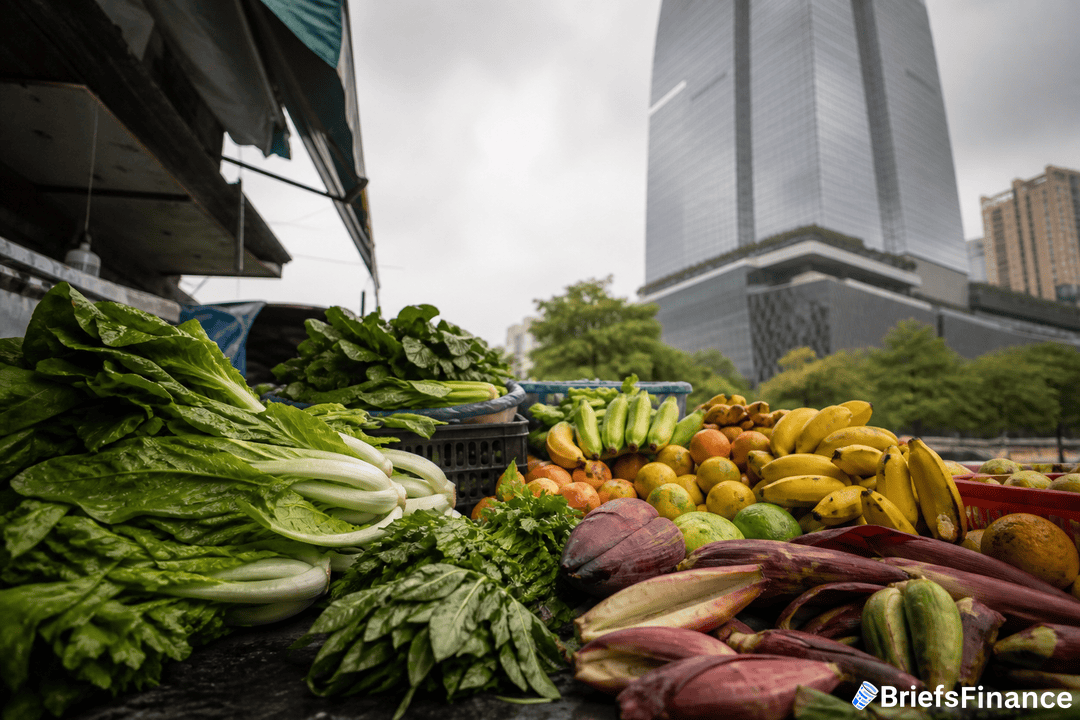
Food prices are the next shoe to drop. Singapore's central bank and trade ministry warned that poor weather is likely to hurt crop yields around the region, which means costlier imported food is probably on the way. Additionally, the statement noted that a wide variety of imported products and services would likely see price increases as these pressures propagate.
A Surprise Policy Move
Here is where it gets interesting. The central bank surprised markets in July by tightening monetary policy, a move designed to defend the currency and cool imported inflation. The logic is straightforward: a stronger Singapore dollar makes those pricey imports a little more affordable. Officials expect imported inflation to keep climbing in the near term, driven by fuel and electronic inputs, so they are getting ahead of it.
To soften the blow on households, the government rolled out two support packages worth about 2 billion Singapore dollars in total. The measures include cash handouts, vouchers for daily spending, and tax rebates for businesses, giving families a bit of cushion against the rising cost of living.
What This Means for Your Wallet
Here is the surprising part of this story. Despite the inflation headache, Singapore just got a lot more optimistic about its economic future. That is a massive vote of confidence, with the new lower bound more than double the old one.
For everyday investors, this is a mixed bag. Your electricity bill and grocery run are likely to keep creeping up as energy and food costs stay elevated. But a stronger growth outlook means the economy backing your investments is on firmer footing than most places right now. The question is whether that growth can outrun the inflation eating away at your purchasing power.
As inflation lingers, start your journey with the free Always Be Buying E-Book today.