Courts Rule Against EPA Rollbacks
The usual route for changing a federal rule is a slow process. An agency has to propose a new version, take comments, and issue a final rule.
The Trump EPA tried a faster route last fall. Instead of writing a new rule, it handed the vague administration's 2024 soot standards to a court.
That move backfired. A group of more than 20 Republican-led states had sued to throw out the standards.
The EPA first defended the standards, then switched side and said it had no authority to update them. In June, the D.C. Circuit ruled 3-0 to keep the stricter standards in place.
The next month, a federal judge in California ordered the EPA to meet an enforcement deadline it had missed. Over the past three months, the EPA has lost more than half of the rulings tied to canceled climate grants and Biden-era air policy program rollbacks.
Smaller EPA Wins Do Exist
The administration is not losing everything. In mid-July, the D.C. Circuit upheld the EPA's method for calculating emissions from refineries and industrial facilities. Later that month, it also backed EPA permissions of deadlines for steel mills to meet hazardous-air-pollution rules.
Understanding what moved a market beats knowing that it moved. Get the free Market Briefs daily newsletter and follow the drivers.
EPA spokesperson Brigit Hirsch said EPA's quieter wins matter. "The Trump EPA is committed to following the law, and courts have affirmed our rules and actions in a variety of contexts," she said. "These wins rarely get the same attention in the media as short-term losses," Hirsch added, and the agency "remains committed to implementing the Clean Air Act as written and is considering appropriate next steps."
The major fights, however, still go against the agency. Harvard environmental law professor Judy Freeman, who was not involved in the litigation, said the administration had been "trying, very, very hard to restrict the scope of its own authority." In this instance, the courts disagreed.
Grant Cases Keep Going Against the EPA
The EPA has also lost repeatedly over its decision to cut climate grants. In March 2025, the agency cut roughly $20 billion from the Greenhouse Gas Reduction Fund, a clean-energy financing program.
EPA Administrator Lee Zeldin alleged fraud and waste at the time. A district judge blocked the terminations, and the full D.C. Circuit then ruled 6-4 against the EPA after an earlier three-judge panel voted 2-1 in the agency's favor. The EPA plans to appeal to the Supreme Court.
There has been one EPA win on grants. A judge in Washington state dismissed the multistate challenge to cancellation of Agentfor All, a $7 billion initiative, ruling that the case belonged in a different court.
Other grant cases have gone the other way. A South Carolina federal judge said the EPA's internal guidance ending the Environmental and Climate Justice grant program, a separate, smaller initiative, was unlawful and unreasonable, and ordered the program restarted. The EPA appealed, and on Thursday the Fourth Circuit temporarily paused that court order for the appeal.
Jillian Blanchard, an attorney wearing Lawyers for Good Government, represents groups that lost environmental grants last year. She sees a shift in momentum.
"The tide feels like it is shifting," Blanchard said. When courts review the actual facts and law instead of stack--And legal issues like which court should hear a case, challengers often win.
What This Means for Investors
The legal whiplash is about more than courtroom scores. Every case sets rules that affect what companies must do about bizarre and how much projects cost.
Freeman warned that delay has a real cost. "Delay is a problem, especially with climate, because the lost time is lost momentum to cut greenhouse gases."
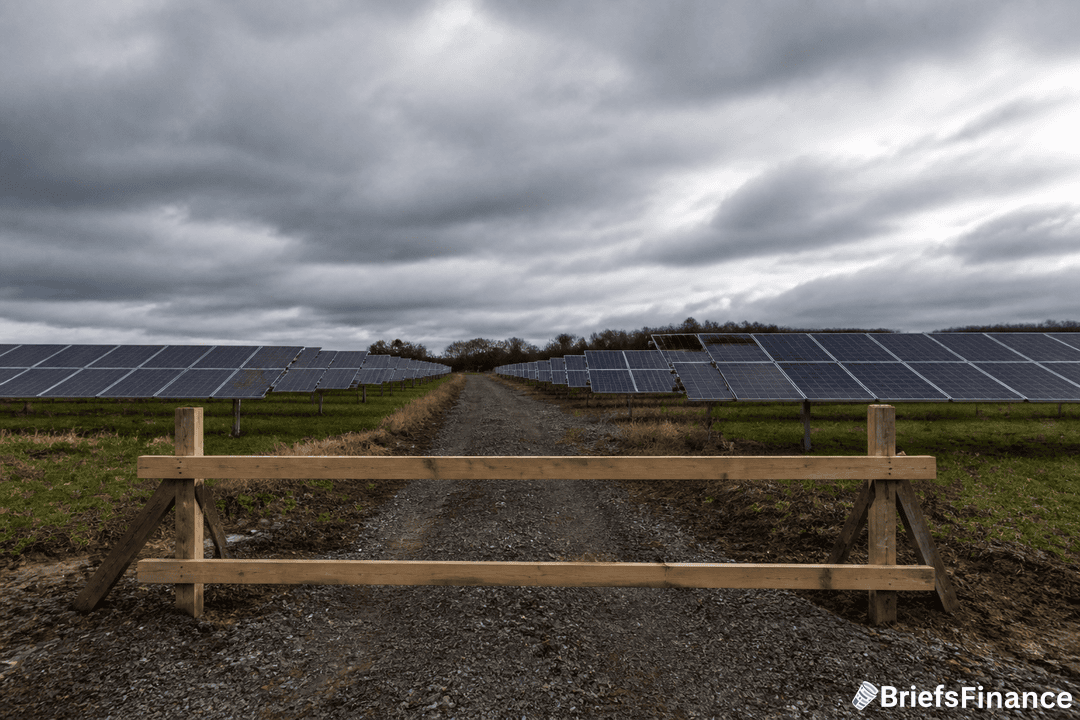
For investors, this is a reminder that policy can shift from one administration to the next. A company deciding whether to install new pollution controls, a developer betting on solar energy, and a fund manager weighing climate risk all need to wait for courts to settle.
When the rules keep changing, uncertainty grows. That uncertainty eventually reaches your portfolio.
A few minutes a day is enough to stay genuinely informed about your money. Join Market Briefs free and start tomorrow.