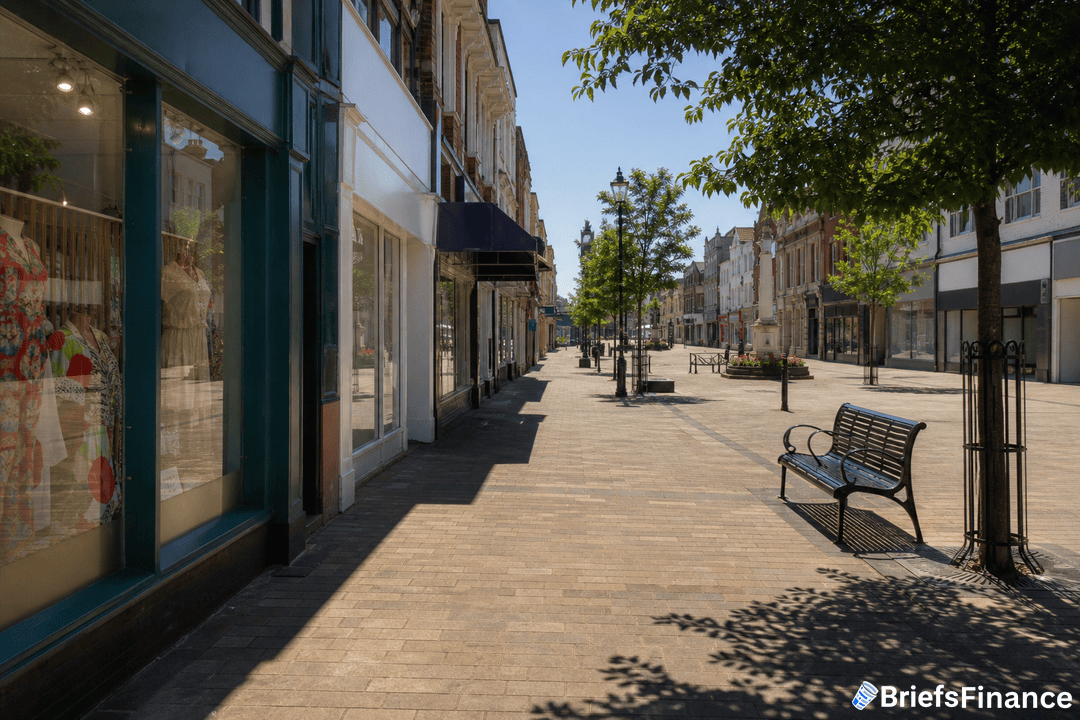
Summer Weather Puts the Brakes on Spending
British shoppers hit pause in July, and the checkout data noticed.
The shift had a simple cause: promotions pulled purchases into June, and then July had less to give.
Non-food stores saw the biggest trouble. Sales in that category fell 1.3%, led by clothing retailers, and seasonal discounts were less common than usual.
Online sales also dropped after June's promotions ended. Household goods and department stores had a weak month, too, with heat and availability blamed, while food stores got some lift from World Cup-related buying.
The weather did not help. England had its driest July since 1836, and that is hard to ignore for anyone in the retail business.
Temperatures came over 2°C above normal. When it is that hot outside, shopping is rarely the first activity on anyone's to-do list.
Understanding what moved a market beats knowing that it moved. Get the free Market Briefs daily newsletter and follow the drivers.
Sandra Prince, head of consumer at Lloyds, explained the dynamic: "After an extended spell of warm weather across large parts of the UK, many households will already have bought what they need for the season, while lines of popular summer products come to an end."
A Confident Mood That May Not Last
Consumer confidence remains surprisingly strong. A GfK survey measured optimism at its highest level since August 2024, helped by the sunshine, the World Cup, and Prime Minister Andy Burnham's statements about cost-of-living protection.
The mood could be short-lived.
The warmth of the big moment is moving in slow motion. On the other side of a spending month are likely rising energy bills and slower wage support. The Bank of England expects the US-Iran conflict to push upward pressure on prices as its impact continues to spread.
The British Retail Consortium's latest report tells the same story. Year-on-year retail sales rose 1.3% in July, half the pace from a year earlier and below the 12-month average. Shoppers were more likely to buy a small treat than a new sofa or television.
The July figures add to evidence that the UK's recent run of better economic news may be fading. Earlier in the week, official figures revealed that inflation had risen after a four-month stretch of declines, while the number of available jobs dropped to its lowest point in five years. The Bank of England is watching consumer behaviour closely as it balances weak demand against rising price pressures, though so far the softer jobs market has helped limit concerns about sustained inflation.
Why This Matters for Your Portfolio
Retail sales are one of the clearest looks at whether households feel able to spend. When that feeling softens, it eventually reaches taxes and rents, and eventually the stock market sees it too.
One month alone does not answer much. The next few monthly reports will show whether July was a summer break in spending or the start of something calmer. If the pickup returns in August and September, the latest numbers will be a small mention to the great weather. If shoppers stay cautious, though, the test will conflict with the pressure of bills and slow hiring.
That is the pattern worth watching. It is how retailer earnings and your portfolio move.
A few minutes a day is enough to stay genuinely informed about your money. Join Market Briefs free and start tomorrow.